
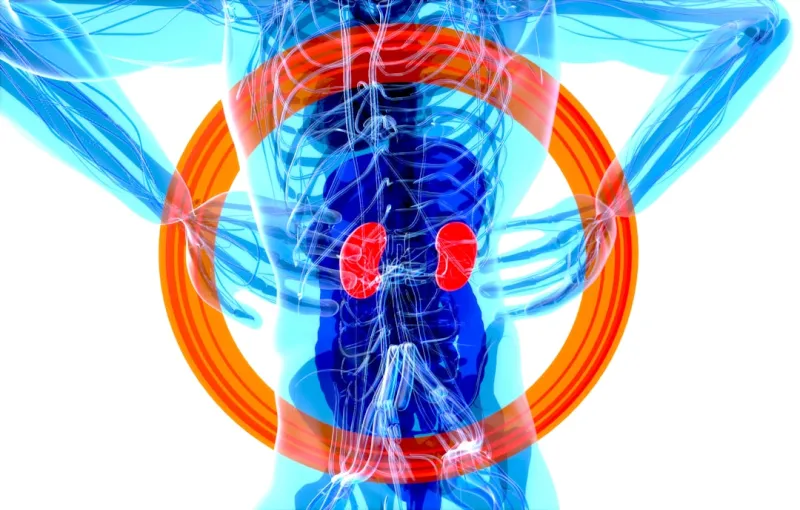
Liver Health and Chronic Conditions: A Holistic Approach
The liver plays a vital role in maintaining overall health, and its dysfunction can lead to a range of chronic conditions. A holistic approach to liver health considers the intricate relationships between the liver, lifestyle, and the body's systems. In this article, we will explore the importance of liver health, the impact of lifestyle on liver function, and the connections between liver health and chronic conditions.
The Importance of Liver Health
The liver is responsible for filtering toxins, metabolizing nutrients, and producing essential proteins. A healthy liver is crucial for maintaining energy levels, supporting immune function, and promoting overall well-being. However, liver disease is a growing concern, with an estimated 25% of the global population affected by non-alcoholic fatty liver disease (NAFLD). Chronic inflammation is a key factor in liver disease, and addressing it through lifestyle changes and nutritional interventions is essential.
Lifestyle Factors Affecting Liver Health
Lifestyle factors such as diet, exercise, and stress levels can significantly impact liver health. A diet high in processed foods, sugar, and unhealthy fats can lead to insulin resistance and liver damage. On the other hand, a balanced diet rich in fruits, vegetables, and whole grains can support liver function and promote overall health. Regular exercise, such as aerobic activity and strength training, can also improve liver health by reducing inflammation and improving insulin sensitivity. Exercise has been shown to have a positive impact on liver health, reducing the risk of liver disease and improving overall well-being.
The Connection Between Liver Health and Chronic Conditions
Liver health is closely linked to various chronic conditions, including diabetes, cardiovascular disease, and mental health disorders. For example, prediabetes and type 2 diabetes are often associated with liver dysfunction, and addressing liver health can help manage these conditions. Similarly, liver disease has been linked to an increased risk of cardiovascular disease, and a holistic approach to liver health can help mitigate this risk.
Nutritional Interventions for Liver Health
Nutrition plays a critical role in supporting liver health, and certain nutrients have been shown to have a positive impact on liver function. For example, antioxidants such as vitamin E and C can help reduce oxidative stress and inflammation in the liver. Omega-3 fatty acids, found in fatty fish and flaxseeds, have also been shown to support liver health and reduce inflammation. A balanced diet that includes a variety of whole foods can provide the necessary nutrients for optimal liver function.
The Role of Stress in Liver Health
Chronic stress can have a negative impact on liver health, leading to increased inflammation and oxidative stress. Mental health and liver health are closely linked, and addressing stress through relaxation techniques such as meditation and yoga can help support liver function. Additionally, getting adequate sleep is essential for liver health, as sleep deprivation can lead to increased inflammation and oxidative stress.
Holistic Approaches to Liver Health
A holistic approach to liver health considers the intricate relationships between the liver, lifestyle, and the body's systems. This approach includes nutritional interventions, lifestyle modifications, and stress management techniques. For example, gut health is closely linked to liver health, and addressing gut health through probiotics and prebiotics can help support liver function.
Conclusion
Liver health is a critical aspect of overall health, and a holistic approach can help support liver function and promote overall well-being. By addressing lifestyle factors, nutritional interventions, and stress management techniques, individuals can take a proactive approach to liver health and reduce the risk of chronic conditions. By understanding the connections between liver health and chronic conditions, healthcare professionals can provide more comprehensive care and support patients in achieving optimal health.
Future Directions
Further research is needed to fully understand the connections between liver health and chronic conditions. However, by adopting a holistic approach to liver health, individuals can take a proactive approach to supporting their overall health and well-being. As our understanding of liver health continues to evolve, it is essential to consider the intricate relationships between the liver, lifestyle, and the body's systems.
Recommendations
* Eat a balanced diet rich in fruits, vegetables, and whole grains * Engage in regular exercise, such as aerobic activity and strength training * Manage stress through relaxation techniques, such as meditation and yoga * Get adequate sleep to support liver health * Consider nutritional interventions, such as antioxidants and omega-3 fatty acids * Address gut health through probiotics and prebiotics
By following these recommendations, individuals can take a proactive approach to supporting their liver health and promoting overall well-being.

Related Posts

The Importance of Liver Health: A Holistic Approach to Wellness
The liver plays a crucial role in maintaining overall health and well-being. Learn how to adopt a ho... Read More

Beyond the Cocktail: A Holistic Journey to Liver Resilience
Explore a fresh, holistic roadmap for liver resilience that blends seasonal eating, micro‑nutrient... Read More
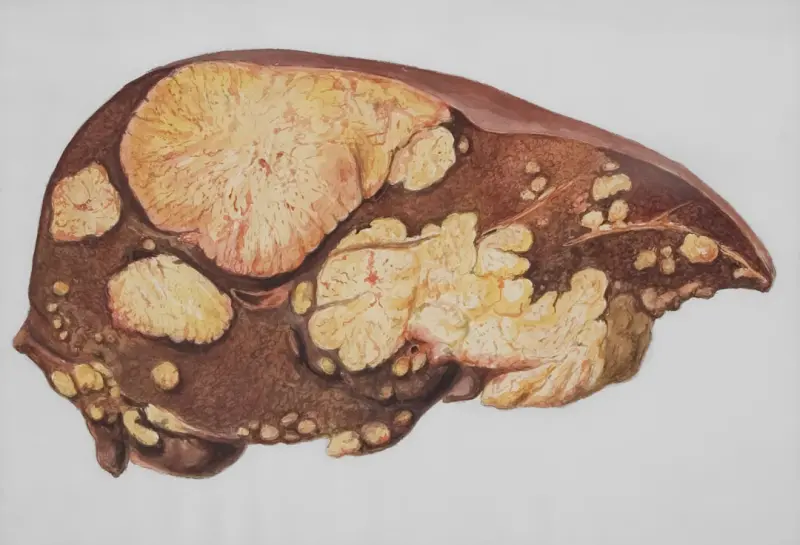
Listening to Your Liver: How Everyday Sounds Shape Organ Wellness
Explore the surprising link between the sounds we live with and liver health, and get actionable ste... Read More
Top Posts

The Micro‑Workout Revolution: Turning Five Minutes into Real Fitness Gains
Learn how brief, high‑intensity micro‑workouts can fit into busy lives, boost metabolism, and build strength—all in just five minutes a day....Read More

Functional Fitness: A Modern Man’s Blueprint for Longevity
Learn how functional fitness transforms everyday strength, mobility, and mental resilience for men, offering practical steps and lifestyle tweaks that support l...Read More

Seasonal Climate Hacks: Redefining Autoimmune Care One Weather Pattern at a Time
Explore practical, season‑focused strategies—like climate monitoring, sunlight scheduling, and seasonal nutrition—to proactively reduce autoimmune flareâ€...Read More

Cultivating Community: How Shared Meals Fight Prediabetes
Discover how turning meals into social events can improve insulin sensitivity, reduce stress hormones, and help reverse prediabetes, with practical steps to sta...Read More
0 Comments
Post Comment
You will need to Login or Register to comment on this post!