
Why Your Gut Deserves a Seasonal Reset
When I first started tracking my own digestion, I treated it like a quarterly performance review—looking at numbers, spotting trends, and making tweaks. Over time, I realized that the gut isn’t just a static organ; it’s a living ecosystem that responds dramatically to the rhythm of the seasons. The cooler months invite different microbes than the bright, bustling days of summer, and our bodies whisper clues about what they need to stay resilient.
Seasonality Isn’t Just About Weather
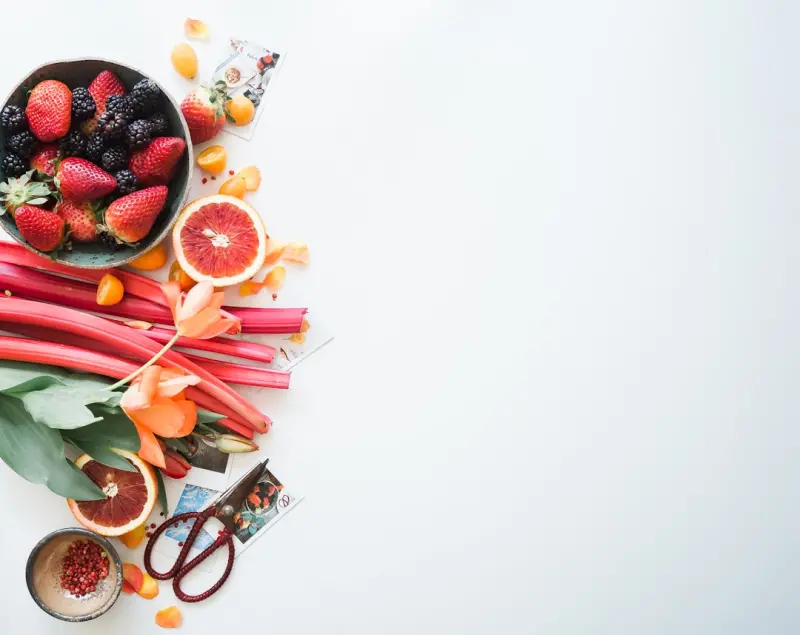
Think of the seasons as nature’s calendar, each chapter offering distinct nutrients, textures, and even stressors. In spring, fresh greens burst onto the scene, flooding our microbiome with fiber that fuels beneficial bacteria. Summer brings ripe fruits and abundant sunlight, encouraging the production of vitamin D, which in turn modulates gut inflammation. Autumn’s earthy root vegetables provide the prebiotic scaffolding for a diverse gut community, while winter’s hearty stews and fermented staples help us retain warmth and maintain gut integrity.
Ignoring this cyclical dance can leave us with a gut that feels out of sync—think bloating, irregularity, or that stubborn “low‑energy” fog that no amount of caffeine can shake off. By aligning our eating patterns with the natural flow, we give the microbiome the right tools at the right time.
Four Pillars of a Seasonal Gut Reset
- Fiber Rotation: Rotate the sources of fiber you consume each season. In spring, lean heavily on asparagus, peas, and fresh herbs. Summer calls for berries, watermelon, and cucumbers. In fall, embrace squash, carrots, and apples. Winter is the perfect moment for hearty legumes, lentils, and fermented vegetables.
- Fermentation Focus: Fermented foods are the unsung heroes of gut health. They introduce live cultures that can repopulate a stressed microbiome. Sauerkraut, kimchi, kefir, and miso each bring a unique bacterial profile. Seasonal variations—like kimchi made with winter radish versus summer cabbage—offer distinct probiotic blends.
- Mindful Hydration: Water isn’t just a vehicle for digestion; it’s a conduit for the mucus layer that protects the gut lining. Adjust your hydration according to climate—lighter, electrolyte‑rich broths in hot months, and warm herbal teas in chilly periods.
- Stress‑Season Synchrony: The gut is incredibly sensitive to stress hormones. Seasonal stressors—holiday bustle, back‑to‑school anxiety, or even daylight changes—can disrupt gut motility. Incorporating stress‑relief practices that match the season (like outdoor walks in spring or candle‑lit meditation in winter) supports gut stability.
Fermented Foods: The Seasonal Superheroes
Fermentation is an ancient art that dovetails perfectly with seasonal eating. In summer, you might experiment with quick‑pickled cucumbers, adding a dash of dill and a splash of apple cider vinegar. The warm temperatures accelerate the fermentation process, yielding a crisp, tangy snack that’s brimming with Lactobacillus.
When the leaves start to fall, turn to hearty, slow‑fermented options. A winter batch of kimchi, packed with daikon radish, garlic, and ginger, not only preserves the produce but also creates a complex probiotic brew that can withstand the colder months. The deeper flavors develop over weeks, mirroring the slower pace of life in autumn and winter.
These seasonal variations in fermentation not only diversify the bacterial strains you ingest but also keep your palate excited—an often‑overlooked factor in long‑term gut health adherence.
Micro‑Movement and the Gut: A Surprising Connection
Movement isn’t just for cardio or strength; it directly influences the gut’s peristaltic rhythm. I love reminding my readers that Playful Micro‑Movements—tiny, intentional gestures like ankle circles, seated twists, or gentle hip rolls—can stimulate the vagus nerve, the main highway between the brain and gut. When this nerve is activated, it encourages the release of acetylcholine, a neurotransmitter that promotes smooth muscle contraction in the intestines.
During the sedentary winter months, incorporating micro‑movements throughout the day can prevent the dreaded “winter constipation” that many experience. Even a simple 30‑second standing calf stretch at your desk can kick‑start digestion and improve nutrient absorption.
Brain‑Gut Synergy: When Exercise Becomes Your Mind’s Playground
While we’re steering clear of the exact “gut‑brain” angle covered in recent posts, it’s still worth noting the broader principle that When Exercise Becomes Your Brain’s Playground extends to gut health too. Engaging in rhythmic activities—like swimming laps, dancing, or even a brisk walk—creates a feedback loop that calms the nervous system, reduces cortisol, and thereby reduces gut inflammation.
Think of these activities as “mental resets” for your digestive tract. When you feel mental fatigue creeping in during a hectic summer project, a 10‑minute dance break can not only lift your mood but also stimulate gut motility, helping you avoid the post‑lunch slump.
Seasonal Supplements: Use Them Wisely
Supplements can be a helpful bridge during transitional periods, but they should complement—not replace—whole foods. In spring, a modest dose of inulin (found naturally in chicory root) can boost the growth of Bifidobacteria, which thrive on the fresh greens you’re likely eating. Autumn may call for a mushroom‑based beta‑glucan supplement to support immune function as daylight wanes.
When selecting a supplement, look for those that list specific strains (e.g., Lactobacillus plantarum or Bifidobacterium lactis) and ensure they’re backed by clinical research. Pair them with a diet rich in prebiotic fibers to give the introduced bacteria a home to flourish.
Practical 7‑Day Seasonal Gut Reset Plan
Below is a simple, adaptable weekly blueprint you can tailor to any season. The focus is on rotating fiber sources, incorporating fermentation, and sprinkling in micro‑movements.
- Day 1 – Fresh Start: Breakfast with oat‑milk chia pudding topped with spring berries (or winter citrus). Mid‑morning 2‑minute ankle circles. Lunch: mixed greens salad with quinoa and a side of kimchi. Evening: gentle seated twist for 3 minutes.
- Day 2 – Hydration Boost: Start the day with warm lemon water. Snack on raw carrots and a fermented dip. Afternoon walk (15 minutes) while practicing mindful breathing. Dinner: lentil stew with fermented sauerkraut.
- Day 3 – Fiber Rotation: Incorporate a new fiber source—like roasted chickpeas or baked sweet potato. Include a 30‑second calf stretch before lunch. Evening: brew a ginger‑turmeric tea to support digestion.
- Day 4 – Micro‑Movement Day: Set a timer to stand and do hip rolls every hour. Breakfast: kefir smoothie with spinach and kiwi. Lunch: miso soup with seaweed and tofu.
- Day 5 – Fermentation Focus: Make a quick‑pickled cucumber batch (ready in 24 hours). Snack on a small portion of the pickles with hummus. Light yoga flow in the evening, emphasizing forward bends.
- Day 6 – Stress‑Season Sync: Practice a 5‑minute gratitude meditation after dinner. Meal: roasted root vegetables (season‑appropriate) with a drizzle of fermented hot sauce. Night: a warm cup of chamomile tea.
- Day 7 – Review & Reflect: Journal about changes in energy, bloating, and mood. Take a leisurely walk, noting any differences in digestion compared to the previous week. End the day with a soothing probiotic‑rich dessert, such as a small serving of kefir ice cream.
This plan is deliberately flexible; swap ingredients based on what’s locally available. The goal is to create a habit loop: eat seasonally, move intentionally, and notice the gut’s response.
Listening to Your Gut: Signs of Seasonal Harmony
When your gut is aligned with the season, you’ll notice subtle but meaningful shifts:
- Consistent Bowel Regularity: No more frantic bathroom runs or prolonged constipation.
- Stable Energy Levels: Fewer afternoon crashes and a smoother transition between work and personal life.
- Improved Mood: A calmer mind, reduced anxiety, and a brighter outlook—often credited to the gut’s production of serotonin.
- Clearer Skin: The gut‑skin axis is real; a balanced microbiome often translates to fewer breakouts.
If you’re still experiencing chronic symptoms, consider consulting a registered dietitian or gastroenterologist. They can run a comprehensive stool analysis, helping you pinpoint specific microbial imbalances.
Wrapping Up: Embrace the Cycle
Seasonal gut resetting isn’t a quick fix; it’s a lifestyle philosophy that honors the ebb and flow of nature. By rotating fibers, embracing fermentation, moving mindfully, and tuning into stress cues, you give your microbiome the seasonal scaffolding it craves. Over time, you’ll find that your gut not only feels better—it becomes a reliable partner in navigating life’s inevitable peaks and valleys.
So, as the leaves turn or the sun climbs higher, ask yourself: “What does my gut need right now?” Then honor that answer with food, movement, and a dash of curiosity. Your gut will thank you, and you’ll feel the ripple effect in every facet of your wellbeing.

Kelly Reynolds is a dynamic freelance writer hailing from the picturesque landscapes of Alberta. A master of the written word, she juggles her passion for storytelling with the exhilarating chaos of being a mother to five spirited children. With an impressive portfolio that spans various genres, Kelly captivates readers through her engaging blog posts and thought-provoking articles.
Related Posts

Fermentation Revival: How Ancient Foods Supercharge Modern Gut Health
Explore the science behind fermented foods, learn easy ways to incorporate them into your diet, and ... Read More

Your Gut’s Hidden Superpower: Fuel Creativity, Focus, and Resilience
A deep dive into the gut‑brain connection reveals how nurturing your microbiome can sharpen focus,... Read More
The Importance of Gut Health in Overall Wellness
Gut health plays a crucial role in overall health and wellbeing, influencing everything from digesti... Read More
Top Posts

Creative Healing: Art & Storytelling in Cancer Recovery
From paintbrushes to personal narratives, I share how creative outlets turned my cancer battle into a journey of empowerment, resilience, and renewed purpose....Read More
Mastering Your Body Clock: A Practical Guide for Men
This guide shows men how to harness circadian rhythms through light exposure, timed meals, strategic workouts, and sleep‑quality hacks, turning the body’s i...Read More

Micro‑Creative Rituals: Tiny Daily Practices That Supercharge Your Brain
Micro‑creative rituals—simple, daily acts like doodling or humming—activate the brain’s reward system and strengthen neural pathways, offering a practic...Read More

Unlocking Cognitive Resilience: A Fresh Playbook for Modern Professionals
Learn how to transform stress into a growth signal with three practical pillars—environmental micro‑breaks, purpose‑driven micro‑goals, and play‑infus...Read More
0 Comments
Post Comment
You will need to Login or Register to comment on this post!