

The Importance of Gut Health in Overall Wellness
Gut health has become an increasingly popular topic in recent years, and for good reason. The gut microbiome plays a crucial role in our overall health and wellbeing, influencing everything from our digestive system to our immune function and even mental health. A healthy gut microbiome is essential for maintaining a strong immune system, producing certain vitamins, and even regulating our mood. On the other hand, an imbalance of the gut microbiome, also known as dysbiosis, has been linked to a range of chronic health conditions, including autoimmune diseases, digestive issues, and even mental health disorders.
The Gut-Brain Connection
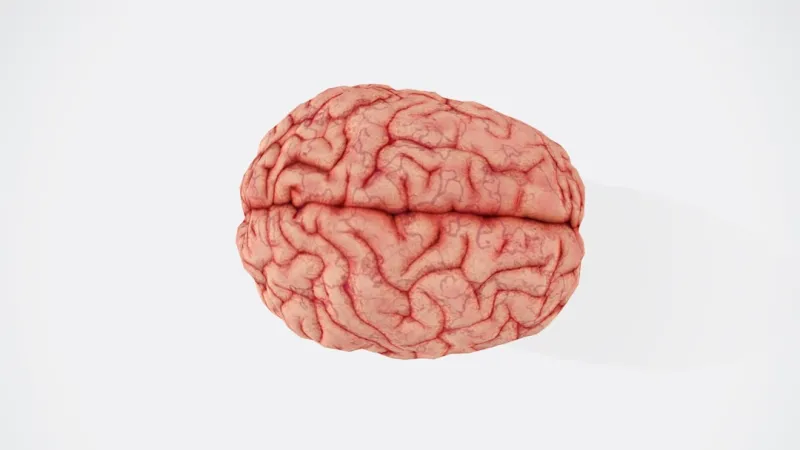
The gut and brain are connected through the gut-brain axis, a bidirectional communication network that allows for the exchange of information and signals between the two. This connection is made possible by the vagus nerve, which transmits signals from the gut to the brain, and by the release of neurotransmitters and hormones that influence mood and cognitive function. Research has shown that the gut microbiome produces certain neurotransmitters, such as serotonin and dopamine, which play a crucial role in regulating mood and appetite. An imbalance of the gut microbiome has been linked to mental health disorders, including anxiety and depression.
Factors That Influence Gut Health
There are several factors that can influence gut health, including diet, lifestyle, and environmental exposures. A diet high in processed foods, sugar, and saturated fats can disrupt the balance of the gut microbiome, leading to dysbiosis. On the other hand, a diet rich in fruits, vegetables, and whole grains can help to promote the growth of beneficial gut bacteria. Lifestyle factors, such as stress, lack of sleep, and physical inactivity, can also have a negative impact on gut health. Environmental exposures, such as antibiotics and pesticides, can also disrupt the balance of the gut microbiome.
The Impact of Gut Health on Chronic Health Conditions
Gut health has been linked to a range of chronic health conditions, including autoimmune diseases, digestive issues, and even mental health disorders. Research has shown that individuals with autoimmune diseases, such as rheumatoid arthritis and lupus, have altered gut microbiome profiles compared to healthy individuals. Similarly, individuals with digestive issues, such as irritable bowel syndrome (IBS), have been shown to have imbalanced gut microbiomes. The gut microbiome has also been linked to mental health disorders, including anxiety and depression.
Ways to Promote Gut Health
Fortunately, there are several ways to promote gut health and maintain a balanced gut microbiome. One of the most effective ways to promote gut health is through diet. Eating a diet rich in fruits, vegetables, and whole grains can help to promote the growth of beneficial gut bacteria. Fermented foods, such as yogurt and sauerkraut, contain live cultures of beneficial bacteria and can help to populate the gut with healthy microbes. Probiotics, which are live cultures of beneficial bacteria, can also be taken as supplements to help promote gut health.
The Role of Probiotics in Gut Health
Probiotics have been shown to have a range of benefits for gut health, including improving digestion, boosting the immune system, and even producing certain vitamins. Probiotics work by colonizing the gut with beneficial bacteria, which can help to crowd out pathogenic bacteria and promote a balanced gut microbiome. Research has shown that probiotics can be effective in treating a range of health conditions, including IBS, inflammatory bowel disease (IBD), and even mental health disorders.
Other Ways to Support Gut Health
In addition to diet and probiotics, there are several other ways to support gut health. Stress management techniques, such as meditation and yoga, can help to reduce stress and promote a balanced gut microbiome. Getting enough sleep and engaging in regular physical activity can also help to support gut health. Avoiding environmental toxins, such as pesticides and heavy metals, can also help to promote gut health.
Conclusion
Gut health is a critical component of overall health and wellbeing. The gut microbiome plays a crucial role in our digestive system, immune function, and even mental health. An imbalance of the gut microbiome has been linked to a range of chronic health conditions, including autoimmune diseases, digestive issues, and even mental health disorders. Fortunately, there are several ways to promote gut health, including diet, probiotics, and stress management techniques. By taking a holistic approach to gut health, individuals can promote overall health and wellbeing and reduce the risk of chronic health conditions.
Future Directions
Further research is needed to fully understand the complex relationships between gut health and overall health. However, it is clear that gut health plays a critical role in maintaining overall health and wellbeing. By continuing to explore the connections between gut health and chronic health conditions, researchers can develop new treatments and prevention strategies that target the gut microbiome. Individuals can also take steps to promote gut health, such as eating a balanced diet, taking probiotics, and managing stress.
References
- Sonnenburg, E. D., & Sonnenburg, J. L. (2014). The gut microbiome at the interface of health and disease. Nature, 513(7518), 242-249.
- Cryan, J. F., & Dinan, T. G. (2012). Melancholic microbes: a link between gut bacteria and brain function. Neurogastroenterology and Motility, 24(9), 713-719.
- Hooper, L. V., & Gordon, J. I. (2001). Commensal host-bacterial relationships in the gut. Science, 292(5519), 1115-1118.

Related Posts

Listening to Your Gut: How Intuitive Eating Can Supercharge Performance
Learn how to turn gut signals into a performance advantage with intuitive eating, fermented foods, a... Read More

Unlocking the Power of Your Gut: A Holistic Journey to Balance and Vitality
Explore a holistic approach to gut health with practical nutrition, mindful habits, and lifestyle ti... Read More
The Gut-Brain Connection: Unlocking the Secrets to Optimal Gut Health
The gut-brain connection is a critical aspect of our overall health and wellbeing. Learn how to supp... Read More
Top Posts

Balancing Blood Pressure: A Holistic Blueprint
Learn how simple lifestyle tweaks, stress‑relief practices, and mindful eating can help you keep blood pressure in check, all shared from a personal, holistic...Read More

The Unspoken Truth About Men's Mental Health: A Growing Concern
Men's mental health is a growing concern that requires immediate attention. Learn about the unspoken truth, the importance of breaking the stigma, and a holisti...Read More

Storytelling for Longevity: How Narrative Shapes Healthspan
Explore the science behind narrative storytelling and its impact on longevity. Learn daily journaling, community sharing, and digital tools to enhance healthspa...Read More

Nourish to Thrive: A Holistic Nutrition Reset for Busy Lives
A fresh, holistic guide to fueling your body amid a hectic schedule—learn how to balance macros, support gut health, and make sustainable food choices that ke...Read More
0 Comments
Post Comment
You will need to Login or Register to comment on this post!