
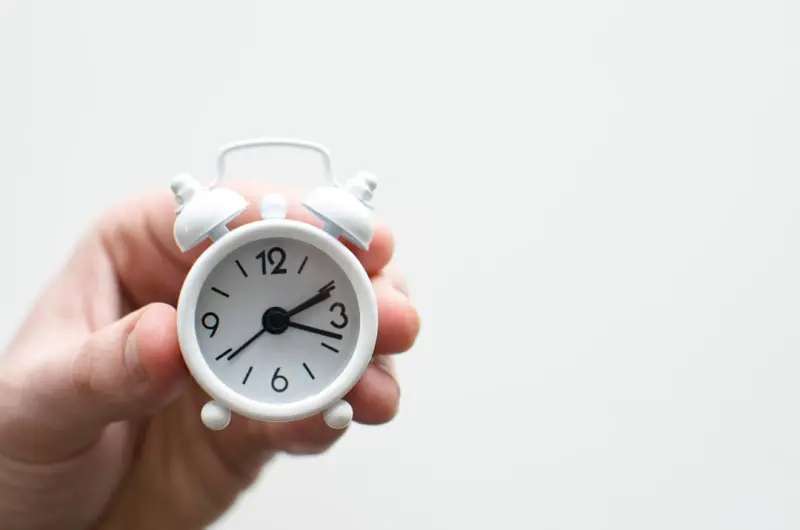
Why Your Body Clock Matters More Than Any Supplement
When I first started coaching high‑performing executives, the conversation always turned to nutrition, workouts, and the newest nootropic on the market. Yet, the one factor that consistently slipped through the cracks was timing – the invisible rhythm that dictates hormone release, metabolism, and mental sharpness. This isn’t a new concept; it’s the science of circadian biology. What is new, however, is the toolbox that modern men have at their disposal to harness it. In this post I’ll walk you through the practical levers you can pull today to align your internal clock, boost energy, sharpen focus, and protect long‑term health.
The Science in Plain English: How the Clock Works
Every cell in your body runs on a 24‑hour schedule orchestrated by the suprachiasmatic nucleus (SCN) in the hypothalamus. Light enters the eyes, sends a signal to the SCN, and the SCN synchronizes peripheral clocks in the liver, muscles, and even the gut. Disruption – whether from late‑night scrolling, irregular meals, or shift work – creates a cascade of hormonal imbalances: cortisol spikes at the wrong time, melatonin is suppressed, and insulin sensitivity dips. The result? Fatigue, cravings, impaired recovery, and a subtle but steady erosion of cardiovascular health.
Three Pillars to Reset Your Rhythm
- Light Management: Sunlight is the master Zeitgeber (time‑giver). Aim for at least 30 minutes of natural light exposure within the first hour of waking. If you live in a high‑latitude area, a light‑therapy box (10,000 lux) can fill the gap.
- Meal Timing: Your metabolism follows a daily ebb and flow. Eating a protein‑rich breakfast, a balanced lunch, and finishing the last meal at least three hours before bedtime supports the liver’s detox pathways and stabilizes blood sugar.
- Movement Rhythm: Exercise isn’t just about calories; it’s a powerful clock‑setter. Schedule vigorous workouts in the late morning or early afternoon when testosterone peaks, and reserve lighter activities (yoga, walking) for the evening to cue relaxation.
Morning Light: The Non‑Negotiable Habit
Imagine you’re a photographer on a sunrise shoot. You wouldn’t wait for the perfect light; you’d be there when it arrives. Your body works the same way. The first exposure to blue‑rich daylight suppresses melatonin, signals wakefulness, and jumps the SCN into “day mode.” If you’re not getting that natural boost, consider these low‑effort hacks:
- Open curtains immediately – no snooze button for blinds.
- Take a 5‑minute walk outside before coffee.
- If weather is bad, sit by a bright window or use a full‑spectrum lamp.
Consistency trumps intensity. A 15‑minute morning walk for five consecutive days beats a two‑hour hike on a single Saturday.
Evening Darkness: The Secret Weapon for Recovery
Just as the sunrise cues wakefulness, the evening darkness cues repair. Blue light from phones, tablets, and even LED bulbs tricks the SCN into thinking it’s still daytime, delaying melatonin release. The solution isn’t to abandon technology but to implement a digital wind‑down routine:
- Set a “screen curfew” 60 minutes before sleep.
- Swap phones for paper – read a physical book or journal.
- Dim ambient lighting to 200 lux or lower; consider amber bulbs that filter blue wavelengths.
When you consistently dim the lights, you’ll notice a faster sleep onset, deeper REM cycles, and reduced morning grogginess.
Meal Timing and Hormone Harmony
Most men think the “big protein shake after the gym” is the holy grail of muscle growth. While protein matters, when you ingest it matters even more. Your insulin sensitivity is highest in the first six hours after waking and gradually declines toward night. Aligning larger carb loads with this window improves glycogen storage and minimizes fat gain.
Try this simple schedule:
- 6:30 am – 7:00 am: Light protein + complex carbs (e.g., eggs + oats).
- 12:00 pm – 1:00 pm: Balanced meal with lean protein, healthy fats, and fiber.
- 5:30 pm – 6:30 pm: Strength‑training session followed by a post‑workout shake.
- 8:00 pm – 9:00 pm: Light dinner, preferably protein‑focused, low‑carb.
Finish eating at least three hours before bed. This window lets the gut clear, reduces nocturnal insulin spikes, and supports the liver’s natural detox cycle.
Movement as a Timekeeper
Exercise timing can be a game‑changer for testosterone, cortisol, and growth hormone. Research shows that a high‑intensity session performed between 10 am and 2 pm yields the greatest acute testosterone surge. Conversely, intense activity after 8 pm can spike cortisol, hindering sleep quality. If you’re a night owl, shift the intensity to earlier in the day and reserve evening slots for mobility work.
Here’s a weekly template that respects the clock:
| Day | Activity | Time |
|---|---|---|
| Monday | Heavy compound lifts | 10:30 am |
| Tuesday | HIIT cardio | 12:00 pm |
| Wednesday | Active recovery (yoga) | 6:00 pm |
| Thursday | Upper‑body hypertrophy | 11:00 am |
| Friday | Lower‑body strength | 1:00 pm |
| Saturday | Outdoor hike | Morning |
| Sunday | Rest & stretch | Evening |
The key is regularity. Your body will learn when to expect the metabolic surge and will adapt by optimizing hormone release.
Sleep Architecture: The Missing Piece of Performance
Most men focus on quantity (“I need eight hours”), but quality is the real driver of recovery. Sleep cycles consist of light (N1, N2), deep (N3), and REM stages. Deep sleep is when growth hormone peaks, repairing muscle and bone. REM is crucial for memory consolidation and emotional regulation. Disrupting the timing of these stages—by staying up late or waking up at odd hours—shortens the deep‑sleep window.
Practical steps to protect architecture:
- Keep a consistent wake‑time, even on weekends.
- Limit caffeine after 2 pm.
- Introduce a pre‑sleep ritual: 10 minutes of diaphragmatic breathing, a warm shower, and a short gratitude journal.
- Consider a “temperature drop” – a bedroom at 65 °F (18 °C) promotes the natural drop in core body temperature that signals sleep.
The Gut‑Clock Connection (and Why It’s Not a “Microbiome” Buzzword)
While microbiome data has become a trendy metric, the underlying principle for men’s health is simpler: your gut microbes have their own circadian rhythm, and they respond to feeding windows. When you eat erratically, you send mixed signals, leading to dysbiosis, inflammation, and impaired lipid metabolism.
Here’s a low‑tech way to support a healthy gut‑clock:
- Consume a fiber‑rich breakfast within the first hour of waking.
- Incorporate fermented foods (kimchi, kefir) at lunch.
- Avoid late‑night snacking, especially processed carbs.
These habits reinforce the synchrony between the central SCN and peripheral gut clocks, reducing the risk of metabolic syndrome.
Mind‑Body Integration: Stress Management as Clock‑Tuning
Chronic stress throws the cortisol rhythm out of whack, often flattening its natural morning peak and evening trough. The solution isn’t a new supplement; it’s a habit stack that lowers sympathetic tone:
- Practice a 5‑minute “box breathing” (4‑4‑4‑4) after any stressful call.
- Schedule a “mental reset” walk after lunch – a 10‑minute stroll in nature restores parasympathetic activity.
- Use a gratitude list before bed; writing three things you’re thankful for reduces rumination and eases the transition to sleep.
Putting It All Together: The 30‑Day Rhythm Reset Challenge
To make these concepts actionable, I’ve designed a 30‑day challenge. Each week focuses on one pillar, with a simple daily checklist. At the end of the month, you’ll have a data set (sleep duration, morning alertness rating, weight, and mood) to see measurable improvement.
- Week 1 – Light & Dark: Track sunrise exposure, set a screen curfew, and use amber lighting after 7 pm.
- Week 2 – Meal Timing: Adopt the “3‑hour dinner rule” and log carbohydrate timing.
- Week 3 – Movement Rhythm: Schedule workouts within the 10 am–2 pm window; replace late‑night cardio with mobility.
- Week 4 – Sleep Architecture: Implement a bedtime ritual, keep bedroom cool, and record sleep stages via a non‑invasive tracker.
Consistency is the catalyst. After the challenge, you’ll likely notice sharper focus at work, steadier energy throughout the day, and a more resilient immune response – all without a single new pill.
Final Thoughts: Your Clock Is the Ultimate Performance Coach
Think of your circadian system as a silent coach that never sleeps. When you align with its rhythm, you unlock natural hormone peaks, metabolic efficiency, and mental clarity. When you ignore it, you’re fighting against an invisible tide, expending extra energy just to stay afloat. By mastering light, meals, movement, and rest, you give yourself the most reliable advantage in any arena – whether that’s boardroom negotiations, gym PRs, or weekend adventures.

Related Posts

How Foot Care Fuels Men’s Health and Peak Performance
Your feet are the unsung heroes of health; learn how simple foot care can boost energy, prevent inju... Read More

The Hidden Health Benefits of Male Friendships
Strong male friendships are a hidden powerhouse for health—reducing stress, boosting heart health,... Read More

The Unspoken Truth About Men's Mental Health: A Holistic Approach to Wellness
Men's mental health is a critical issue that requires attention and action. Learn how a holistic app... Read More
Top Posts
A Holistic Roadmap to Healthy Aging: Nourish, Move, Rest, and Thrive
Explore a holistic roadmap for healthy aging that blends nutrition, movement, sleep, and mindset to nourish your body, boost energy, and thrive at any age....Read More

Finding Freedom: A Holistic Journey Through Eating Disorders
A personal, holistic guide to breaking free from eating disorders—blending therapy, mindful nutrition, and community for sustainable healing....Read More

Building Muscle in a Desk‑Centric World: Practical Hacks for Busy Professionals
A fresh approach to muscle growth for desk‑bound professionals: integrate micro‑sets, smart nutrition, and tech tools into your workday to see real gains wi...Read More

Unlocking the Power of Body Detox: A Journey to Overall Wellbeing
Body detox is a powerful tool for transforming our overall wellbeing. Learn how to incorporate body detox into your self-care routine and experience profound sh...Read More
0 Comments
Post Comment
You will need to Login or Register to comment on this post!