
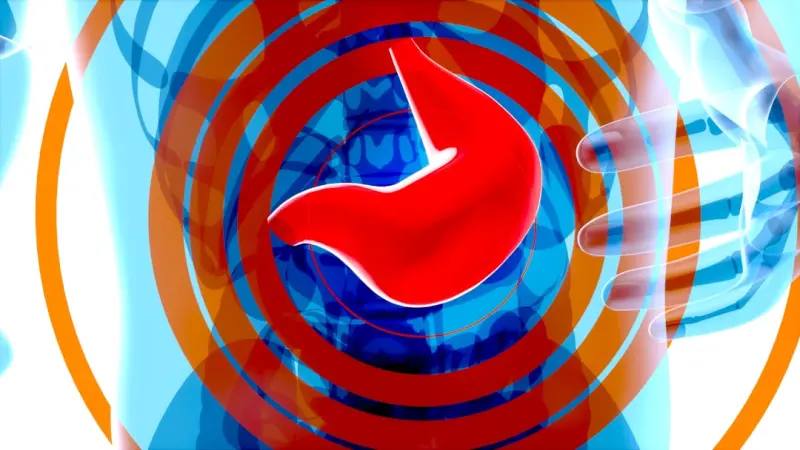
Unlocking Your Gut’s Hidden Superpower: How Microbiome Mastery Fuels Creativity, Focus, and Everyday Resilience
When people talk about “gut feelings,” they usually mean that vague intuition that nudges you toward a decision. I’ve spent the last decade digging into the science behind that phrase, and what I’ve uncovered is far more literal—and far more exciting—than most of us imagined. The gut isn’t just a food‑processing tube; it’s a bustling metropolis of microbes that whisper to our brain, modulate our mood, and even shape our creative output. In this post, I’m pulling back the curtain on the gut‑brain connection, sharing actionable strategies to nurture your microbiome, and showing you why a thriving gut can be your secret weapon for sharper focus, sustained energy, and a more vibrant life.
The Microbial Metropolis Inside You
Think of your gut as a city with billions of residents—bacteria, fungi, archaea, and viruses—all co‑existing in a delicate ecosystem. These microorganisms aren’t idle; they produce metabolites, communicate through chemical signals, and influence the immune system. In fact, about 90% of serotonin—the “feel‑good” neurotransmitter—is synthesized in the gut. That alone explains why a disrupted microbiome can leave you feeling foggy or down.
Recent research shows that the diversity of your gut microbiota correlates with cognitive flexibility. In simple terms, a richer microbial community can help you think outside the box, switch between tasks more efficiently, and even improve problem‑solving abilities. So if you’re chasing that next breakthrough idea or need to power through a marathon work session, the answer might be as simple as feeding the right bacteria.
Gut Health Meets Creativity: The Science of the “Idea Gut”
Artists, writers, and innovators have long claimed that their best work comes when they’re “in the zone.” Emerging studies suggest that the gut microbiome could be a literal part of that zone. Certain strains—like Lactobacillus rhamnosus and Bifidobacterium longum—produce short‑chain fatty acids (SCFAs) that cross the blood‑brain barrier and enhance neuroplasticity. Neuroplasticity, the brain’s ability to rewire itself, is a cornerstone of creative thinking.
One fascinating experiment fed participants a diet high in prebiotic fibers and observed a measurable increase in divergent thinking scores—the kind of thinking that powers brainstorming sessions. The participants also reported feeling less “mental fatigue” after long periods of focused work. That’s the gut speaking, literally.
Practical Steps to Supercharge Your Microbiome
Below are evidence‑backed habits you can start today to cultivate a microbiome that supports mental acuity and creative flow.
- Embrace Diversity on Your Plate. A varied diet fuels a diverse microbiome. Aim for a rainbow of vegetables, fruits, legumes, and whole grains. Each color brings different fibers and polyphenols that feed different bacterial strains.
- Prioritize Fermented Foods. Yogurt, kefir, sauerkraut, kimchi, and tempeh are natural sources of live cultures. Start with a tablespoon a day and gradually increase as your gut adjusts.
- Mind Your Antibiotics. While lifesaving when needed, antibiotics can decimate beneficial microbes. Discuss alternatives with your healthcare provider for non‑critical infections.
- Get Moving. Moderate exercise boosts microbial diversity. Even a brisk 30‑minute walk can increase the abundance of SCFA‑producing bacteria.
- Manage Stress. Chronic stress releases cortisol, which can alter gut permeability and microbial balance. Practices like deep breathing, meditation, or a short nature break can mitigate this effect.
- Sleep Like a Pro. Your gut follows a circadian rhythm. Aim for 7‑9 hours of consistent, quality sleep to keep that rhythm in sync.
- Hydrate Wisely. Water supports the mucosal lining of the gut, helping beneficial microbes adhere and thrive.
When Gut Health Meets Blood Sugar Stability
If you’ve ever felt a sudden crash after a sugary snack, you know how disruptive blood sugar spikes can be to focus and mood. The gut microbiome plays a pivotal role in regulating glucose metabolism. Certain bacterial strains improve insulin sensitivity, while others may promote resistance.
For a deeper dive into how data‑driven strategies can help you maintain stable blood sugar in today’s hyper‑connected world, check out our data‑driven blood sugar playbook. Integrating those insights with gut‑friendly nutrition creates a synergistic effect: steady energy, fewer cravings, and a calmer mind.
Gut Health and Longevity: A Modern Men’s Perspective
While gut health benefits everyone, men in particular can reap long‑term rewards when they prioritize their microbiome early. Emerging evidence links a healthy gut to reduced inflammation, better cardiovascular markers, and even a lower risk of age‑related cognitive decline.
Our longevity playbook for modern men outlines lifestyle pillars that include gut stewardship as a core component. Think of it as building a foundation that supports not just a longer life, but a sharper, more engaged one.
Beyond Food: The Hidden Influencers of Your Microbiome
While diet is the headline act, other lifestyle factors stealthily shape your gut ecosystem.
- Environmental Toxins. Pesticides, heavy metals, and even certain cleaning agents can disrupt microbial balance. Opt for organic produce when possible and choose eco‑friendly household products.
- Air Quality. Poor indoor air quality can affect gut inflammation. Incorporate houseplants and ensure proper ventilation.
- Social Connections. Your microbiome can be shared through close contact—think kisses, shared meals, and even pets. A supportive social network may indirectly boost microbial diversity.
Tracking Your Progress: Simple Metrics That Matter
Unlike weight loss, gut health isn’t always obvious on the scale. Here are a few practical metrics to monitor:
- Stool Consistency. The Bristol Stool Chart is a handy tool. Aim for Type 3‑4: smooth, formed, and easy to pass.
- Energy Levels. Keep a brief journal of morning and afternoon energy. Notice patterns after dietary tweaks.
- Mood Fluctuations. Track moments of anxiety, irritability, or “brain fog.” Correlate them with meals and stressors.
- Digestive Comfort. Bloating, gas, or irregular bowel movements can signal microbial imbalances.
Future‑Forward: Personalized Microbiome Solutions
We’re standing at the cusp of a new era where stool analysis, AI‑driven insights, and custom probiotic formulations could become as routine as a blood test. Imagine receiving a personalized “gut score” that tells you exactly which foods to add, which supplements to consider, and how to fine‑tune your lifestyle for optimal brain‑gut synergy.
While that technology is still emerging, you can start building a data‑rich foundation today by logging meals, sleep, and mood. Over time, patterns will emerge, and you’ll be better equipped to make informed adjustments.
Wrapping Up: Your Gut as an Ally, Not a Side Effect
In a world saturated with quick‑fixes and trendy diets, the most sustainable advantage may lie within you—right in the belly of the beast. By nurturing a diverse, resilient microbiome, you’re not just protecting your digestive comfort; you’re unlocking a reservoir of mental clarity, creative spark, and long‑term vitality.
Take the first step today: add a serving of fermented vegetables to dinner, sip a prebiotic‑rich smoothie, or simply pause for a mindful breath before your next coffee. Your gut will thank you, and your brain will reward you with sharper focus, brighter ideas, and a steadier mood.
Ready to dive deeper? Explore our related resources, experiment with the strategies above, and watch how a thriving gut transforms every facet of your life.

Nikki McDonald is a freelancer based in Waterloo. She brings her skills and expertise to various projects, balancing her professional work with a personal life that includes her husband, Stewart.
Related Posts
The Importance of Gut Health in Overall Wellness
Gut health plays a crucial role in overall health and wellbeing, influencing everything from digesti... Read More

Engineering Your Gut for Unstoppable Focus
A deep dive into how optimizing your gut microbiome can become a strategic performance tool, with ac... Read More
The Hidden Power of Your Digestive Ecosystem for Executive Edge
A balanced gut microbiome drives short‑chain fatty acids that enhance focus, mood, and stress resi... Read More
Top Posts

Holistic Mental Health in a Hyperconnected World: Craig Brett’s Playbook
Craig Brett shares a practical, holistic roadmap for mental wellness, blending nutrition, sleep, exercise, and community support to help busy people thrive in t...Read More

Living Holistically with Autoimmune Disease: My Personal Roadmap
Tammy French shares her personal, holistic roadmap for managing autoimmune disease, from nutrition and physiotherapy to stress reduction and community support....Read More

Living with Cancer: A Holistic Blueprint from My Journey
Deb Roberts shares her holistic cancer journey, blending mindful breathing, nutrient‑rich foods, gentle movement, insurance navigation, and community support ...Read More

Curiosity as a Mental Health Hack: Turning Wandering Thoughts into Resilience
Discover why curiosity is a powerful mental‑health tool, learn three daily practices to harness it, and see how curiosity can transform stress into resilience...Read More
0 Comments
Post Comment
You will need to Login or Register to comment on this post!