
Finding Calm in the Chaos of Daily Life
When I first started tracking my own blood pressure, the numbers spiked whenever a deadline loomed or a traffic jam stretched longer than expected. I realized that the invisible tug‑of‑war between my sympathetic and parasympathetic nervous systems was the real culprit, not just the occasional salty snack. By treating my body as a responsive instrument rather than a static machine, I began to experiment with subtle, sustainable shifts that could quiet the internal storm without overhauling my entire routine.
The Breath That Bridges Mind and Vessel
One of the most underrated tools in my arsenal is intentional breathing, a practice that directly engages the vagus nerve to signal the heart to relax. I adopted a simple 4‑7‑8 pattern: inhale for four seconds, hold for seven, and exhale slowly for eight, repeating this cycle for three minutes before bed or during a stressful meeting. Scientific studies confirm that such paced respiration can lower systolic pressure by up to five points, and the beauty lies in its portability—no equipment, no subscription, just a moment of mindful pause that reverberates through every artery.
Synchronizing Sleep with the Body’s Natural Clock
Sleep timing is another hidden lever; my blood pressure often crept upward after late‑night screen binges that pushed melatonin production into the shadows. By establishing a consistent wind‑down window—dimming lights an hour before bedtime and avoiding caffeine after 2 p.m.—my body reclaimed its circadian rhythm, allowing the nocturnal dip in blood pressure to deepen. The result was not only lower readings but also a clearer mind during the day, reinforcing the feedback loop between restful sleep and vascular health.
Reinventing the Kitchen: Herbs Over Salt
In my kitchen, I swapped the salt shaker for a palette of herbs and citrus, discovering that flavor does not have to be sacrificed for health. A splash of lemon juice, a pinch of smoked paprika, or fresh cilantro can transform a bland protein into a palate‑pleasing dish while keeping sodium intake under 1,500 mg per day. This culinary shift not only trimmed my blood pressure numbers but also sparked a newfound excitement for cooking, turning meal prep into a creative ritual rather than a chore.
Community Walking Routes as a Social Prescription
Walking may sound elementary, yet pairing it with a community group turned it into a powerful habit‑forming strategy. I joined a neighborhood “Step Circle” that maps out scenic loops and schedules weekly meet‑ups, providing both accountability and a sense of belonging. Research shows that moderate‑intensity walking for 30 minutes a day can reduce arterial stiffness, and the social element amplifies adherence, turning a solitary exercise into a shared experience that gently nudges blood pressure downward.
Wearables: Turning Data into Daily Decisions
Modern wearables have transformed raw numbers into actionable insights. My smartwatch alerts me when my heart rate spikes unexpectedly, prompting a quick breathing session before the surge translates into higher pressure. The device also tracks nightly sleep stages, helping me fine‑tune my bedtime routine. By treating the data as a conversational partner rather than a punitive monitor, I can make micro‑adjustments—like standing after an hour of sitting—that cumulatively protect my cardiovascular system.
Balancing Electrolytes Through Food, Not Supplements
Potassium‑rich foods such as bananas, sweet potatoes, and leafy greens act as natural antagonists to sodium, helping vessels relax. Incorporating a colorful side of roasted beet and kale into dinner supplies the body with the minerals it needs to maintain optimal blood pressure without relying on pills. When I paired this approach with the hydration strategies outlined in Hydration Hacks and Mineral Mastery for Stable Blood Sugar, my readings steadied, and I felt more energetic throughout the day.
Air Quality: The Invisible Pressure Modifier
Living in an urban environment, I discovered that indoor air pollutants—dust, volatile organic compounds, and even lingering cooking fumes—can constrict blood vessels, nudging pressure upward. Simple actions like using an HEPA filter, opening windows for cross‑ventilation, and adding houseplants that absorb toxins created a cleaner breathing space. Over weeks, I noted a subtle yet consistent dip in my morning measurements, reinforcing the idea that environmental stewardship is as vital as diet and exercise in blood pressure management.
Mindset Shifts: Gratitude as a Vascular Ally
Finally, I embraced a gratitude practice, jotting down three things I appreciated each evening. This positive reframing lowered my cortisol levels, which in turn eased vascular tension. Coupled with the habit‑building framework described in Tiny Habit Stacking: A Sustainable Path to Weight Loss, I set micro‑goals—like a five‑minute gratitude pause—that fit seamlessly into my day. The cumulative effect was a calmer mind, a steadier heart, and blood pressure numbers that finally aligned with the healthier lifestyle I had been sculpting.

Lifan Chen is a freelancer based in Toronto specializing in marketing. With expertise in crafting effective marketing strategies and campaigns, Lifan helps businesses grow their brand presence and reach target audiences. As a Toronto-based freelancer, Lifan combines local market insights with creative marketing skills to deliver tailored solutions for clients.
Related Posts

Beyond the Numbers: A Fresh Playbook for Managing Blood Pressure
A personal, habit‑driven guide reveals how tracking trends, simple stretches, breathwork, seasonal... Read More
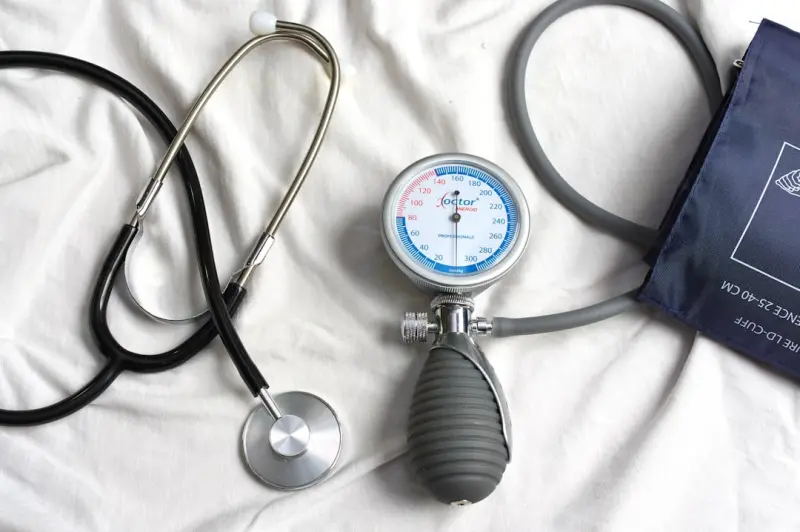
How Real‑Time Biofeedback Turns Blood Pressure Management into a Skill
Explore a fresh approach to blood pressure control using wearable biofeedback, real‑time data loop... Read More
Unlocking Hidden Levers: A Mind‑Body Blueprint for Stable Blood Pressure
A fresh, mind‑body strategy blends breathing, seasonal nutrition, wearables, and tiny habit stacki... Read More
Top Posts
Grounded Health: How Soil Connection Boosts Immunity and Mood
Discover the powerful health benefits of soil contact, from boosting immunity to enhancing mood, and learn simple ways to incorporate grounding practices into d...Read More

Seasonal Climate Hacks: Redefining Autoimmune Care One Weather Pattern at a Time
Explore practical, season‑focused strategies—like climate monitoring, sunlight scheduling, and seasonal nutrition—to proactively reduce autoimmune flareâ€...Read More
Turning Prediabetes into a Catalyst for Whole‑Body Wellness
A personal, holistic guide shows how to turn a prediabetes warning into a roadmap for lasting health—covering diet, joyful exercise, stress relief, sleep, gut...Read More

Level‑Up Rehab: How Virtual Reality Gaming Is Transforming Physiotherapy
Virtual reality is reshaping physiotherapy by turning exercises into immersive games, offering precise feedback, and improving patient adherence, ultimately acc...Read More
0 Comments
Post Comment
You will need to Login or Register to comment on this post!