
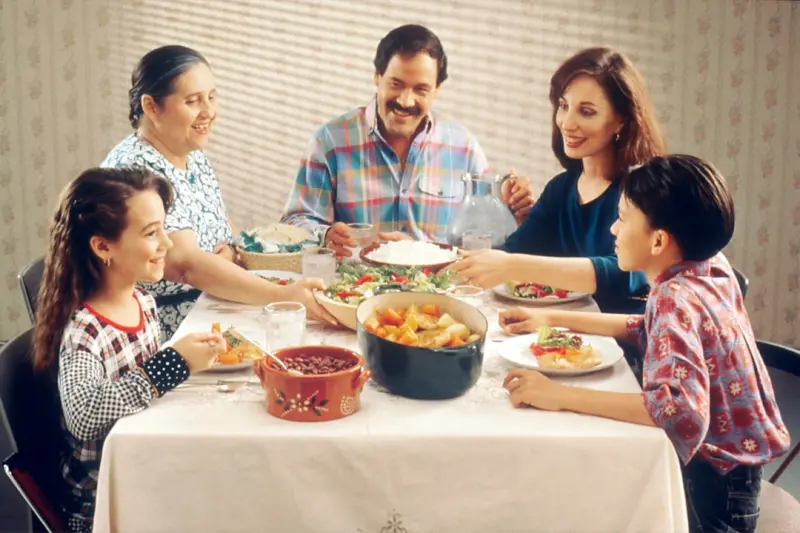
From Potluck to Powerhouse: How Shared Meals Transform Workplace Culture
When I first walked into a tech startup’s open‑plan office, the only thing louder than the click‑clack of keyboards was the hum of a fridge door opening and closing. A few weeks later, a spontaneous pizza‑day turned into a weekly ritual where teams gathered around a communal table, swapping recipes, stories, and, unintentionally, ideas. That simple act of sharing food did more than fill stomachs—it rewired how we collaborated, trusted each other, and even solved problems.
In the era of remote work, wellness apps, and data‑driven health hacks, we often forget that nutrition isn’t just about macro‑counts or the latest superfood trend. It’s also a social catalyst. The act of eating together creates a micro‑ecosystem of trust, belonging, and collective intelligence that can boost productivity, creativity, and employee satisfaction.
The Science of Social Eating
Humans are hard‑wired to eat in groups. Anthropologists trace our ancestors’ survival to communal hunting and shared meals, which fostered cooperation and information exchange. Modern neuroscience confirms this: eating together triggers the release of oxytocin, the “bonding hormone,” which lowers stress and promotes openness.
Beyond hormones, shared meals also align our circadian rhythms. When a team consistently eats lunch at the same time, it creates a predictable rhythm that can improve focus post‑meal. This subtle synchrony mirrors the benefits seen in chronotype alignment, but without the need for sophisticated tracking—just a shared calendar invite.
From Snack Stash to Strategy: Practical Ways to Leverage Food at Work
- Theme Days That Teach – Rotate culinary themes (Mediterranean, plant‑based, fermented foods) and pair them with short, informal talks from staff about the cultural origins or health benefits. This not only expands palates but also builds cultural competence.
- Micro‑Challenges for Macro Impact – Introduce light‑hearted nutrition challenges, like “bring a fruit you’ve never tried” or “swap a sugary snack for a probiotic‑rich option.” When you gamify these challenges, you tap into the same motivational engine highlighted in gamifying your fitness journey, but with a focus on dietary variety.
- Data‑Lite Feedback Loops – Use simple surveys to capture how employees feel after shared meals—energy levels, focus, mood. Over time, patterns emerge that can guide pantry stocking or lunch‑time scheduling, echoing the principles of stable blood sugar insights without demanding invasive monitoring.
Nutrition Meets Innovation: The Unexpected ROI
Companies that embed shared meals into their culture report measurable returns:
- Higher Retention – Employees who feel part of a community are 30% less likely to leave. The communal table becomes a low‑cost onboarding tool, where newcomers learn the “unwritten rules” through food.
- Boosted Creativity – Brainstorming over a shared plate loosens the rigid “meeting mode.” The informal setting encourages divergent thinking, similar to the creative spark observed when people break routine, as discussed in other experimental contexts.
- Reduced Healthcare Costs – When teams collectively opt for balanced meals, the aggregate intake of refined sugars and processed fats drops, translating into lower chronic disease risk and fewer sick days.
Designing the Ideal Shared‑Meal Space
Physical environment matters. A kitchen that feels like a living room—soft lighting, communal benches, and a few houseplants—invites lingering conversation. Acoustic considerations are crucial: background music should be low‑key, allowing natural dialogue. Even the scent of fresh herbs can subtly enhance mood, a nod to the sensory research on food environments.
Inclusive Eating: Respecting Diversity and Dietary Needs
Workplace demographics are more diverse than ever. To make shared meals truly inclusive:
- Offer a variety of protein sources (legumes, tofu, fish, poultry) to accommodate vegans, vegetarians, and those with religious restrictions.
- Clearly label allergens and provide alternatives.
- Invite employees to contribute recipes that reflect their heritage, fostering a sense of pride and representation.
When people see their culture honored on the menu, they’re more likely to engage, share, and collaborate.
Virtual Meals: Bridging the Remote Gap
Remote work doesn’t have to mean isolated lunches. Here are three ways to keep the communal spirit alive across screens:
- Scheduled “Lunch & Learn” Webinars – Pair a short presentation (e.g., “The Science of Fermentation”) with a pre‑sent snack kit. Participants eat together while listening, replicating the in‑person vibe.
- Meal‑Sharing Photo Boards – Create a Slack channel where team members post pictures of their lunch. Add a fun twist by voting for the most colorful plate each week.
- Co‑Cook Sessions – Send out ingredient boxes and host a live video cooking class. The shared effort builds camaraderie despite geographic distance.
Measuring Success Without Obsessing Over Numbers
While data can guide improvements, the goal isn’t to micromanage every bite. Instead, use qualitative feedback: “Do you feel more energized after our potlucks?” or “Has the shared meal tradition helped you connect with coworkers you’d otherwise never meet?” These narrative insights are often more predictive of long‑term cultural health than any calorie count.
Case Study: A Mid‑Size Design Agency’s 6‑Month Journey
When a design agency of 45 people introduced a bi‑weekly “Flavor Fusion” lunch, the following outcomes emerged over six months:
- Employee Net Promoter Score (eNPS) rose from 38 to 61.
- Project turnaround time decreased by 12% as cross‑team brainstorming sessions became more fluid.
- Health‑related absenteeism fell by 8%, attributed partly to increased consumption of whole foods and reduced reliance on vending‑machine snacks.
The agency’s leadership credits the shared meals for breaking down silos and creating a “food‑first” culture of openness.
Getting Started: A 30‑Day Action Plan
Ready to turn your cafeteria into a cultural catalyst? Here’s a simple roadmap:
- Week 1 – Survey & Space Audit: Ask employees what foods they love, any dietary restrictions, and what communal space improvements they'd like.
- Week 2 – Pilot a Theme Day: Choose a universally appealing theme (e.g., “Fresh Spring Salads”) and promote it with a colorful poster.
- Week 3 – Gather Feedback: Use a quick poll to gauge satisfaction, energy levels, and suggestions.
- Week 4 – Refine & Expand: Incorporate feedback, add a second theme day, and introduce a simple gamified challenge (e.g., “Taste the Rainbow”).
Iterate each month, gradually weaving shared meals deeper into the fabric of daily work life.
Conclusion: Food as the Unwritten Code of Collaboration
When we sit down together, we’re not just refueling our bodies—we’re feeding the invisible threads that hold teams together. The aroma of fresh herbs, the clink of plates, and the shared laughter become the silent language of trust and innovation. By intentionally designing these moments, companies can unlock a sustainable competitive edge that no AI algorithm can replicate.
So the next time you see the office fridge door swing open, remember: you’re not just grabbing a snack—you’re stepping into a powerful, community‑building ritual that could very well be the secret sauce of your organization’s success.

Jessica Hall is a dynamic freelance writer based in the vibrant city of London, Ontario. As a dedicated single mom, she expertly juggles the demands of parenthood with her passion for storytelling, crafting compelling narratives that resonate with readers. With a background in retail, Jessica brings a unique perspective to her writing, infusing her work with insights drawn from her experiences
Related Posts

Fermented Food Frontier: Unlocking Flavor, Health, and Sustainability
Discover the science behind fermentation, top probiotic-rich foods, DIY tips, and how incorporating ... Read More

Seasonal Nutrition: Aligning Your Plate with Nature’s Rhythm
Learn how eating with the seasons can enhance energy, mood, and gut health while supporting the envi... Read More
Playful Nutrition: Designing Meals That Teach Your Body
A fresh take on nutrition that treats each meal as a fun experiment, using the 4‑S Blueprint to bo... Read More
Top Posts

Gut Health Unlocked: A Holistic Journey to Balanced Digestion and Vitality
Explore a comprehensive, holistically‑focused guide to gut health, blending nutrition, stress management, sleep, and movement for lasting digestive balance an...Read More

Transform Your Weight Loss Journey by Treating It Like a Personal Investment Portfolio
Learn how to reframe weight loss as a personal investment, using budgeting, macro diversification, and habit stacking to achieve lasting, sustainable results....Read More
Reimagining Aging: How Seniors Can Harness Everyday Tech for Health and Connection
A practical guide showing seniors how to use wearables, smart home tweaks, and digital social hubs to boost health, prevent falls, and stay connected—without ...Read More

Seasonal Reset: Aligning Your Body’s Natural Cleansing Cycles with the Calendar
Learn how to harness the power of seasonal light, temperature, and foods to naturally support your body’s detox pathways, with practical tips on hydration, mo...Read More
0 Comments
Post Comment
You will need to Login or Register to comment on this post!