
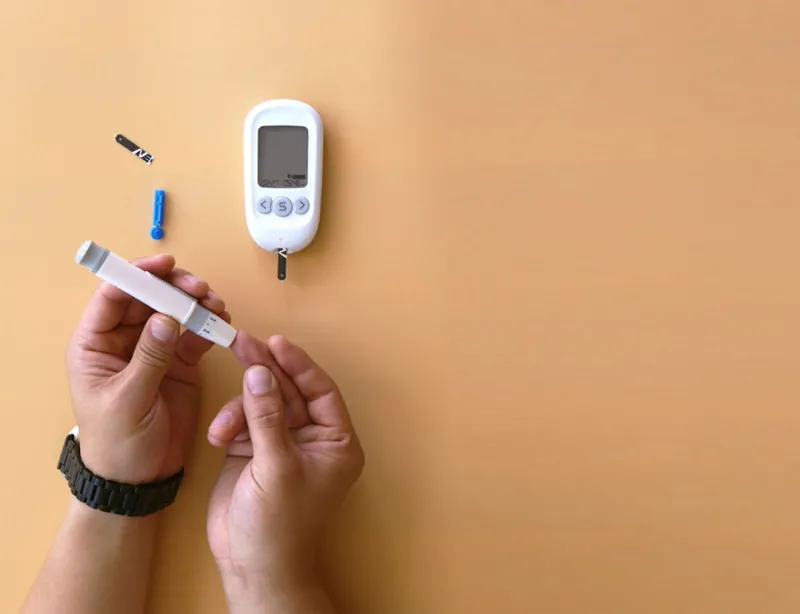
Why I’m Obsessed With Managing Blood Sugar (and Why You Should Be Too)
Ever since I discovered that my energy spikes and crashes were more than just “bad coffee days,” I’ve been on a mission to decode the sugar roller‑coaster that hijacks so many of us. As a holistic health enthusiast, I’ve learned that blood‑sugar control isn’t a fad diet—it’s the cornerstone of whole‑self wellness, influencing everything from mood to skin clarity. When my glucose levels stay steady, my creativity flourishes, my workouts feel smoother, and I can finally enjoy a slice of fruit without the looming dread of a crash. In this post, I’m sharing the strategies that have helped me tame my own numbers, backed by science, and woven into the larger tapestry of my holistic journey. If you’re curious how the same principles that guided my modern body detox can stabilize your sugar, keep reading—you’re about to get the blueprint.
The Hidden Ripple Effect: Blood Sugar’s Reach Into Every System
Blood glucose isn’t just a number on a glucometer; it’s a signal that whispers to your brain, liver, muscles, and even your gut microbiome. When spikes become the norm, insulin receptors can get desensitized, setting the stage for chronic fatigue, stubborn weight gain, and even mood swings that feel like emotional whiplash. I remember a period when my afternoon slump was so intense I’d reach for sugary snacks, only to feel the inevitable crash 90 minutes later—my brain fogged, my heart raced, and my focus shattered. The good news? By smoothing out those peaks, you not only protect your pancreas but also give your liver the breathing room it needs to detox effectively—a concept I explored in depth in The Liver’s Secret Power. When your sugar is steady, every organ can perform at its optimum, and you’ll notice a subtle but profound shift toward balanced, sustainable energy.
Food First: Building a Sugar‑Smart Plate
My kitchen has become my lab, and every meal is an experiment in blood‑sugar chemistry. The cornerstone of my approach is to prioritize whole, minimally processed foods that deliver fiber, protein, and healthy fats in every bite. Think of a plate that looks like a rainbow of vegetables, a palm‑sized portion of lean protein, and a modest serving of nuts or avocado for that buttery finish. Below is a quick cheat‑sheet I keep on my fridge:
- Start with leafy greens or cruciferous veg (broccoli, kale, Brussels sprouts).
- Add a protein source—wild‑caught salmon, free‑range chicken, or plant‑based beans.
- Include a healthy fat—extra‑virgin olive oil, chia seeds, or a handful of almonds.
- Finish with a low‑glycemic carb—sweet potato, quinoa, or berries.
By consistently pairing carbs with protein and fat, the digestion slows, and glucose drifts into the bloodstream gradually, preventing the dreaded spike‑and‑crash cycle. I’ve found that this simple visual guide keeps my meals balanced without the need for endless calorie counting.
Fiber & Low‑Glycemic Choices: The Unsung Heroes
Fiber is the quiet workhorse that keeps blood sugar on an even keel. Soluble fiber, found in oats, psyllium husk, and most fruits, forms a gel‑like matrix in your gut that slows carbohydrate absorption. In my own experiments, adding a tablespoon of ground flaxseed to my morning smoothie reduced my post‑breakfast glucose surge by nearly 15%. Meanwhile, low‑glycemic fruits like berries, cherries, and apples deliver sweetness without the rapid glucose spike associated with tropical fruits. I also love incorporating legumes—lentils, chickpeas, and black beans—because they’re protein‑rich, fiber‑dense, and incredibly versatile. When you pair these with a splash of lemon juice or apple cider vinegar, you further blunt the glycemic impact, creating a metabolic environment that favors steady energy.
Timing Is Everything: The Power of Consistent Meal Patterns
Beyond what you eat, when you eat can dramatically affect blood‑sugar stability. I used to skip breakfast in favor of “intermittent fasting,” only to discover that my late‑day cravings spiraled out of control, leading to binge‑eating sugary snacks. The fix? A gentle, consistent eating window that respects my body’s circadian rhythm. My current routine includes a protein‑rich breakfast within an hour of waking, a balanced lunch, and a lighter dinner no later than 7 p.m. This pattern aligns with my body’s natural insulin sensitivity, which tends to be highest in the morning and wanes after dusk. If you find yourself hungry between meals, reach for a small handful of nuts or a slice of cheese—both provide protein and fat to keep glucose from jumping.
Stress Management: Calming the Cortisol‑Glucose Loop
Stress is the sneaky saboteur of blood‑sugar control. When cortisol spikes, your liver releases stored glucose to fuel a “fight‑or‑flight” response, often leading to higher fasting numbers. I’ve learned to counteract this by integrating short, intentional stress‑relief practices throughout my day. A 5‑minute breathwork session before lunch, a quick walk outside during the afternoon slump, and a gratitude journal before bed have become non‑negotiable rituals. These habits not only lower cortisol but also improve insulin sensitivity, creating a virtuous cycle of calm and metabolic balance. If you’re battling chronic stress, consider exploring holistic modalities—like gentle yoga or guided meditation—to keep the cortisol‑glucose loop in check.
Sleep: The Overnight Reset for Glucose Regulation
Sleep isn’t just beauty rest; it’s a nightly reset for your endocrine system. Research shows that even a single night of poor sleep can impair insulin sensitivity by up to 20 %. I used to sacrifice sleep for extra work hours, only to wake up feeling groggy and craving sugary snacks. The turnaround came when I committed to a consistent bedtime routine: dim lights an hour before sleep, a screen‑free zone, and a cup of calming chamomile tea. Within a few weeks, my morning glucose readings dipped, and my cravings diminished. Prioritizing 7‑9 hours of restorative sleep is as essential to blood‑sugar management as any dietary tweak.
Movement Matters: Strength, Cardio, and Sugar Balance
Exercise is the third pillar of my holistic sugar strategy, and it doesn’t have to be a marathon. I blend moderate cardio—like brisk walking or cycling—with strength training sessions twice a week. The muscle‑building work is crucial because muscle tissue is a major glucose sink, helping to pull sugar out of the bloodstream even after the workout ends. I often reference my own experience in Muscle Gain From My Lens to illustrate how a balanced routine can enhance insulin sensitivity without over‑taxing the body. Even a 20‑minute bodyweight circuit after dinner can smooth out nighttime glucose spikes, turning exercise into a natural, drug‑free glucose regulator.
Putting It All Together: Your Personal Blueprint for Stable Blood Sugar
Bringing these pieces into a cohesive plan feels like assembling a puzzle where every piece matters. Start by auditing your meals with the plate method, add fiber‑rich foods, and schedule meals at regular intervals. Pair this with daily stress‑reduction tactics, a solid sleep schedule, and a mix of cardio and strength training. Remember, the journey is personal—listen to your body, track your glucose when possible, and adjust as needed. When you align nutrition, movement, rest, and mindset, you create a resilient system that keeps blood sugar steady, mood uplifted, and energy flowing. I hope my story inspires you to take the first step toward a calmer, more balanced you—because when your blood sugar is in harmony, every other health goal becomes within reach.

Becky Putman is an Ottawa-based freelance writer and marketing professional with a passion for storytelling, animals, and community involvement. She enjoys creating engaging content that informs, inspires, and connects with readers.
Related Posts

Spice Up Your Blood Sugar: Everyday Flavors for Stable Glucose
Learn how I transformed my pantry into a blood‑sugar ally, using everyday spices and simple lifest... Read More

Seasonal Strategies to Naturally Manage Blood Sugar
Brandy Miller shares a fresh, season‑based approach to blood sugar management, blending local prod... Read More

Mastering Blood Sugar with Timing, Food, and Simple Lifestyle Tweaks
Learn how to naturally steady your glucose levels using timing, fiber‑rich foods, short movement b... Read More
Top Posts

Chronotype‑Driven Life Design: A New Frontier for Longevity
Learn why respecting your body's internal clock—your chronotype—can be a powerful longevity strategy, and get a 30‑day challenge to start aligning your da...Read More

Living Awake: Navigating Narcolepsy with Purpose and Energy
A personal yet science‑backed guide reveals how strategic napping, nutrition tweaks, tech insights, and workplace accommodations empower those with narcolepsy...Read More
Narcolepsy at Work: Harnessing Micro‑Sleep for Innovation and Performance
Narcolepsy doesn’t have to be a career obstacle. By integrating scheduled micro‑sleeps, leveraging REM‑driven creativity, and adopting inclusive workplace...Read More

Navigating Brain Health: A Journey Through the Complexities of Mental Wellbeing
Maintaining good brain health is a lifelong journey that requires a comprehensive approach. Learn how to take control of your mental wellbeing and live a more f...Read More
0 Comments
Post Comment
You will need to Login or Register to comment on this post!