
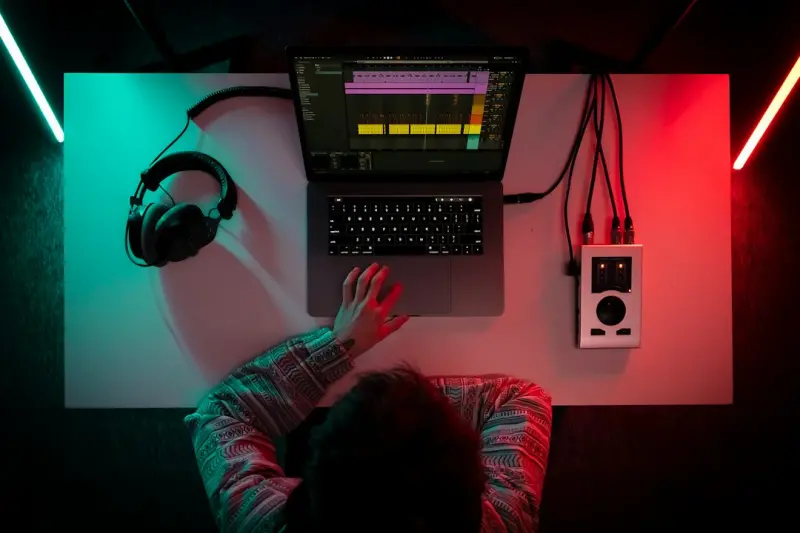
Rewiring the Night: How Ambient Tech and Sensory Cues Can Quiet Insomnia
Insomnia feels like a stubborn roommate that never leaves—quiet in the daylight, loud in the dark. I’ve spent more nights staring at the ceiling than I care to admit, and after years of trial‑and‑error, I’ve learned that the battle isn’t won by “more sleep” alone. It’s won by re‑programming the environment that tells our brain it’s time to be awake.
In this post I’ll walk you through a three‑step framework that blends low‑tech habits with subtle, data‑driven ambient tools. The goal? Create a nightly rhythm that gently nudges the nervous system toward restorative sleep—without forcing it.
1. The Science of Sensory Signals
Our brain’s master clock, the suprachiasmatic nucleus (SCN), receives a constant stream of sensory data: light, sound, temperature, and even the scent of the room. When these cues are inconsistent, the SCN gets confused, and the body’s homeostatic sleep pressure never builds up enough to let you drift off.
- Light – Blue wavelengths suppress melatonin, the hormone that tells us it’s night.
- Sound – Sudden spikes in ambient noise trigger the fight‑or‑flight response, raising cortisol.
- Temperature – Core body temperature drops by about one degree Celsius during the first half of the night; a warm bedroom can stall this natural dip.
- Odor – Certain scents, like lavender or cedar, have a measurable calming effect on the autonomic nervous system.
When any of these signals are out of sync, the SCN sends mixed messages, and insomnia thrives. The trick is not to eliminate these cues, but to calibrate them so they all point to “sleep now.”
2. Ambient Light: From Bright Screens to “Digital Sunset”
Most of us are glued to smartphones, laptops, and smart TVs until the very last minute of the day. The Breath Revolution reminds us that conscious breathing can lower cortisol, but the most immediate impact on melatonin comes from light.
Here’s a practical, low‑cost routine you can implement tonight:
- Two‑Hour Wind‑Down: Starting two hours before bedtime, switch all devices to “night mode” or use a blue‑light filter app. If possible, replace screen time with a paper book or a calming podcast.
- Dim the Room: Dim your overhead lights to 20% or use amber bulbs. Amber wavelengths have minimal impact on melatonin production.
- Smart Light Scheduling: If you have smart bulbs, program them to gradually dim over the two‑hour window, mimicking the natural sunset. A 10‑minute “digital sunset” can reduce sleep latency by up to 15 minutes, according to recent studies.
For those who love a bit of tech flair, consider a light‑temperature sensor that adjusts the room’s color temperature based on the actual time of day. It’s a subtle cue, but the brain registers it as a reliable environmental pattern.
3. Soundscapes: From White Noise to Adaptive Audio
Sound is a double‑edged sword. Complete silence can be unsettling for an anxious mind, while sudden noises can jolt you awake. The solution lies in adaptive soundscapes that evolve with the sleep cycle.
Try this layered approach:
- Baseline Hum: A gentle white or pink noise set at a low volume (30–35 dB) masks sudden spikes like a neighbor’s door slam.
- Progressive Rhythm: After you fall asleep (approximately 15 minutes in), switch the audio to a slower, more rhythmic pattern such as ocean waves or a distant rain. The slower tempo supports the brain’s transition into deeper sleep stages.
- Smart Shut‑Off: Use a timer or a sleep‑tracking app that automatically reduces the volume or turns the sound off after 90 minutes. This prevents the audio from becoming a lingering distraction later in the night.
My personal favorite is a small Bluetooth speaker that pairs with a sleep‑tracking app. The app detects when you’re in REM and gently fades the sound, allowing the brain to stay undisturbed during the most restorative phase.
4. Temperature Tweaks: The “Cool‑Down” Protocol
Research shows that a bedroom temperature between 60‑67°F (15‑19°C) is optimal for most adults. However, the key is not just the static temperature but the dynamic drop that signals the body to release heat, a prerequisite for melatonin release.
Here’s a step‑by‑step “Cool‑Down Protocol” you can try:
- Pre‑Sleep Warm Shower: A 5‑minute warm shower raises skin temperature, which then drops quickly once you step out, creating a natural cooling wave.
- Bedtime Fan: Set a small fan on low for the first 30 minutes after you get into bed. The gentle airflow accelerates the cooling of the skin.
- Cooling Pillow or Mattress Pad: If you can, invest in a cooling pillow that uses gel or breathable fabrics. It helps maintain a lower head temperature, which is strongly linked to sleep onset.
- Thermostat Programming: Use a smart thermostat to lower the room temperature 2–3°F right before you go to bed and keep it steady throughout the night.
Combine these tricks with a light‑blocking curtain, and you’ve got a bedroom that feels like a cool, dark cave—exactly what our ancestors used for night‑time rest.
5. Scent and the Subconscious
While light, sound, and temperature are the big three, scent can be an unsung hero. A few drops of lavender essential oil on a cotton ball placed near the pillow, or a small diffuser set on “sleep” mode, can lower heart rate and reduce cortisol levels within 30 minutes.
For those wary of essential oils, try herbal sachets filled with dried chamomile, valerian root, or rose petals. They release a subtle aroma that is less likely to trigger allergic reactions but still signals the brain that it’s time to wind down.
6. The “Micro‑Reset” Routine: A 15‑Minute Pre‑Sleep Checklist
To keep the above strategies from feeling overwhelming, I’ve distilled them into a quick checklist you can run through each night. Think of it as a mental cue that says, “Okay, brain, we’re about to switch to sleep mode.”
- 07:00 PM – Light Shift: Activate night mode on all devices, dim ambient lighting.
- 07:30 PM – Warm Shower: 5‑minute warm shower, then dry off quickly.
- 07:45 PM – Scent Prep: Place lavender sachet or turn on diffuser.
- 08:00 PM – Soundscape Start: Begin low‑volume white noise.
- 08:15 PM – Temperature Set: Adjust thermostat, turn on fan for 30 minutes.
- 08:30 PM – Bedtime: Slip under the sheets, let the sound evolve, and breathe deeply (the Breath Revolution technique works wonders here).
This routine takes roughly fifteen minutes, but the payoff can be a full night of uninterrupted sleep—something that has eluded many of us for far too long.
7. When the Routine Isn’t Enough: Recognizing Red Flags
Even the best environmental hacks won’t solve insomnia if an underlying medical or psychological issue is at play. Keep an eye out for these warning signs:
- Persistent difficulty falling asleep more than three nights per week for a month or longer.
- Daytime fatigue that interferes with work, relationships, or safety.
- Snoring, gasping, or witnessed pauses in breathing during sleep (possible sleep apnea).
- Intense anxiety or racing thoughts that refuse to quiet down despite the best environment.
If any of these resonate, consider a professional evaluation. A sleep specialist can run a polysomnography study, while a therapist trained in cognitive‑behavioral therapy for insomnia (CBT‑I) can address the mental loop that often fuels sleeplessness.
8. The Bigger Picture: Insomnia as a Signal, Not a Symptom
Think of insomnia as the body’s way of shouting, “Something’s off!” If you treat the scream as a problem to be silenced, you might miss the root cause. By aligning light, sound, temperature, and scent, you give the brain a clear, consistent message: “It’s safe to let go.”
In my own experience, the moment I stopped fighting the night and started orchestrating it, my sleep transformed. I went from counting sheep to waking up refreshed enough to actually enjoy my morning coffee (instead of gulping it like a lifeline).
9. A Final Thought: The Power of Consistency
All of these tactics rely on consistency. The brain is a pattern‑seeking organ; it thrives on repeated cues. Even if you miss a night, get back to the routine the next evening and the benefits will accumulate. Over weeks, you’ll notice a smoother transition from wakefulness to sleep, fewer midnight awakenings, and a deeper, more restorative sleep architecture.
If you’re ready to give your nights a makeover, start small. Pick one element—perhaps the nightmare-decoding approach of reducing stress hormones with breathing, or the ambient light schedule—and build from there. Your future self will thank you with a refreshed mind and a body primed for whatever challenges lie ahead.

Tom Ferguson is a Canadian freelance writer with a passion for storytelling, current events, and thoughtful commentary. Drawing on years of writing experience, he shares engaging insights on a wide range of topics, bringing a uniquely Canadian perspective to his work.
Related Posts

Breaking the Night: My Personal Roadmap to Reclaiming Sleep
A personal, holistic guide to overcoming insomnia—revealing hidden triggers, mindful habits, and m... Read More

Beyond the Toss: How Ambient Light Shapes Your Sleep
This article reveals how ambient light—from streetlamps to home LEDs—disrupts our circadian rhyt... Read More
Digital Dusk: Reprogramming Evening Habits to Beat Insomnia
A fresh take on insomnia, the Digital Dusk protocol shows how adjusting screen light, silencing noti... Read More
Top Posts
Thriving with Autoimmune Disease: A Holistic Journey to Everyday Resilience
A personal, holistic guide reveals how gut health, stress management, nutrition, movement, and community empower those living with autoimmune disease....Read More

Navigating Health Insurance: A Holistic Guide to Smart Coverage
A personal, holistic approach to health insurance reveals hidden fees, leverages wellness perks, and turns coverage into a confidence‑boosting ally for vibran...Read More

A Personal Blueprint for Managing Blood Pressure Naturally
A first‑person guide that blends storytelling, tiny daily actions, and tech tools to turn blood pressure management into a sustainable, enjoyable journey....Read More

Flavorful Focus: Crafting a Nutrition Blueprint for Creative Power
Tammy French reveals a fresh nutrition framework that uses color, timing, micro‑nutrients, and mindful eating to amplify creative performance and mental stami...Read More
0 Comments
Post Comment
You will need to Login or Register to comment on this post!