

Flavorful Focus: Crafting a Nutrition Blueprint for Creative Power
When I first stepped onto the stage of a high‑stakes product launch, my mind was a buzzing hive of ideas, deadlines, and caffeine‑fueled panic. I realized that the only thing keeping me grounded was the simple act of eating—a bowl of warm oatmeal topped with berries, a handful of almonds, and a splash of cinnamon. That moment sparked a lifelong fascination with how the foods we choose can become strategic allies in the pursuit of sustained creativity and mental stamina.
In the world of high performance, nutrition is often reduced to “eat clean” or “avoid carbs.” Those slogans are well‑meaning but miss the nuance that makes food a dynamic tool rather than a static rulebook. Below, I’ll walk you through a fresh, evidence‑backed framework that treats each meal as a deliberate act of focus engineering. Whether you’re a design lead, a data scientist, or a founder juggling investor calls, you’ll find practical tactics you can start applying today.
1. The Palette Principle: Color as Cognitive Cue
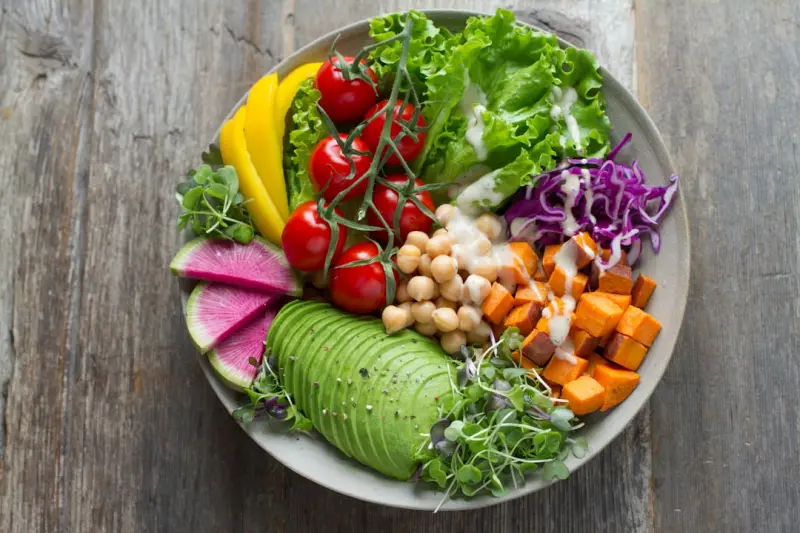
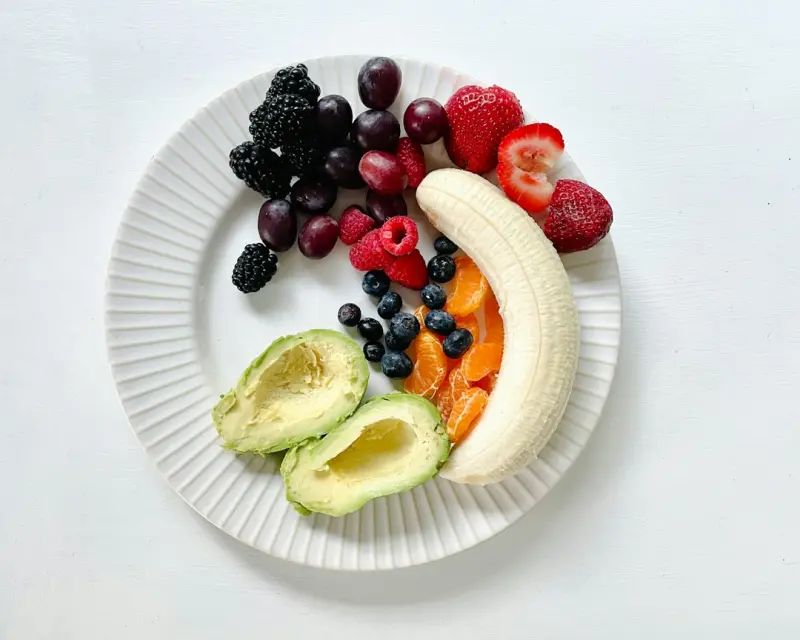
Our brains are wired to respond to visual stimuli, and that includes the colors on our plates. Research in neuro‑aesthetics shows that vibrant hues can enhance mood, sharpen attention, and even boost memory retention. By intentionally curating a “rainbow plate,” you’re not just pleasing the eye—you’re priming the mind for high‑level thinking.
- Red & orange (tomatoes, carrots, sweet potatoes) signal energy and can elevate dopamine, the neurotransmitter linked to motivation.
- Green (leafy greens, broccoli, avocado) supplies lutein and chlorophyll, compounds associated with neuroprotection and reduced mental fatigue.
- Blue & purple (blueberries, blackberries, eggplant) are rich in anthocyanins, powerful antioxidants that support synaptic plasticity.
- Yellow (bell peppers, corn) offers a burst of vitamin C, a co‑factor in neurotransmitter synthesis.
When planning your day, think of each meal as an opportunity to paint your cognitive canvas. A breakfast bowl layered with red strawberries, orange pumpkin seeds, green spinach, and a drizzle of blueberry‑infused yogurt is more than Instagram‑worthy—it’s a micro‑dose of brain‑boosting pigments.
2. Timing Is Tuning: Aligning Food with Creative Cycles
Most of us have identified “peak” and “off‑peak” hours for mental work. The secret isn’t just about when you work; it’s about when you fuel your brain. By synchronizing nutrient intake with your natural energy ebbs and flows, you can extend the high‑performance window and shorten the crash.
Here’s a simple three‑phase model:
- Ignition (30‑60 minutes after waking): Opt for a light, carbohydrate‑moderate snack—think a banana with a spoonful of nut butter. This raises glucose gently, jump‑starting cerebral metabolism without the spike‑and‑crash of a sugary cereal.
- Momentum (mid‑morning to early afternoon): Combine protein with complex carbs. A quinoa salad with grilled salmon, mixed greens, and a drizzle of olive oil delivers sustained amino acid release and steady glucose, supporting prolonged focus.
- Recalibration (late afternoon): Shift toward foods that promote GABA and serotonin production—such as turkey, pumpkin seeds, and fermented foods. This helps transition from intense problem‑solving to reflective synthesis.
By treating meals as “performance levers,” you turn nutrition into a rhythm that matches your creative workflow rather than interrupting it.
3. Micro‑Nutrients That Matter: Beyond the Macronutrient Myth
While protein, carbs, and fats are the headline acts, the supporting cast of vitamins and minerals often decides whether the show is a hit or a flop. Below are the unsung heroes that directly influence the neural pathways you rely on for ideation.
- Omega‑3 fatty acids (EPA/DHA): Essential for neuronal membrane fluidity, they enhance signal transmission. Sources: wild salmon, sardines, chia seeds, and algae supplements.
- Magnesium: A co‑factor in over 300 enzymatic reactions, it aids in ATP production and helps calm the nervous system. Dark leafy greens, almonds, and black beans are excellent choices.
- Vitamin B12: Critical for myelin formation and neurotransmitter synthesis. It’s especially important for those on plant‑based diets—consider fortified foods or a supplement.
- Curcumin: The active compound in turmeric that crosses the blood‑brain barrier, supporting neurogenesis. Pair it with black pepper to boost absorption.
In practice, a “brain‑boosting snack” could be a handful of walnuts (omega‑3) tossed with pumpkin seeds (magnesium) and a sprinkle of turmeric dust—simple, portable, and potent.
4. Hydration: The Overlooked Performance Engine
Dehydration is a silent saboteur of concentration. Even a 2% loss in body water can impair short‑term memory and reaction time. Instead of waiting for thirst, set a baseline of 2‑3 liters of water per day, punctuated by electrolyte‑rich beverages during intense brainstorming sessions.
Pro tip: Add a slice of citrus or cucumber to your water bottle. The subtle flavor cue reminds you to sip regularly, and the added phytochemicals provide a modest antioxidant boost.
5. The Mindful Bite: Cultivating Presence at the Table
High‑performers often eat on the run, turning meals into background noise. This habit not only diminishes digestion but also severs the feedback loop between satiety signals and cognitive performance. Practicing mindful eating—even for a few minutes—can recalibrate this loop.
- Put away screens and set a timer for 10 minutes.
- Chew each bite 20‑30 times, focusing on texture, taste, and aroma.
- Pause between bites to check in with your energy levels.
Over time, you’ll notice sharper awareness of when you’re truly hungry versus when you’re “working through stress.” This awareness translates to better food choices and more stable energy throughout the day.
6. Integrating Nutrition Into Your Workspace
Just as we design ergonomic chairs and lighting, we can design the food environment. Here are three actionable steps to turn your office into a nutrition‑friendly zone:
- Curated snack stations: Replace the generic vending machine with a selection of nuts, dried fruit, dark chocolate, and Greek yogurt. The variety reduces the temptation to default to sugary snacks.
- Meal‑prep collaboration: Organize a monthly “cook‑along” where teammates bring a healthy dish to share. This builds community while exposing everyone to new, nutrient‑dense recipes.
- Scheduled “fuel breaks”: Block out 15‑minute windows in your calendar for a proper lunch, treating it as a non‑negotiable meeting with yourself.
These practices not only improve individual performance but also foster a culture where nutrition is viewed as a collective asset.
7. Linking Back to the Bigger Picture
If you’re curious about how other aspects of health intersect with nutrition, consider exploring the relationship between gut health and remote work dynamics. The article Cultivating a Resilient Gut in the Age of Remote Work dives deep into how our digestive ecosystem responds to the stressors of a home office.
Similarly, the way we manage blood sugar can become a lever for sustained performance. The piece Blood Sugar as a Performance Lever outlines practical hacks that complement the nutrient‑timing strategies discussed here.
And don’t underestimate the power of environment beyond the plate. A walk through a park can reset your nervous system, making the nutrients you consume even more effective. Learn more in Why Urban Green Spaces Are Your Secret Weapon for Peak Mental Clarity.
8. Putting It All Together: Your First 7‑Day Nutrition Blueprint
Ready to test the concepts? Below is a starter plan that incorporates the palette principle, timing, micro‑nutrients, hydration, and mindful eating. Feel free to adjust based on personal preferences and dietary restrictions.
| Day | Morning (Ignition) | Midday (Momentum) | Afternoon (Recalibration) |
|---|---|---|---|
| Monday | Greek yogurt + mixed berries + chia seeds | Quinoa + grilled salmon + kale + orange vinaigrette | Turkey wrap with avocado + pumpkin seed sprinkle |
| Tuesday | Oatmeal + banana + almond butter | Lentil soup + spinach + whole‑grain roll | Stir‑fried tofu + broccoli + turmeric sauce |
| Wednesday | Smoothie (spinach, pineapple, whey protein, flaxseed) | Chicken salad with mixed greens, walnuts, pomegranate | Greek feta cheese + olives + cucumber slices |
| Thursday | Whole‑grain toast + avocado + poached egg | Brown rice bowl with shrimp, edamame, red peppers | Salmon patty + roasted beet salad |
| Friday | Protein pancakes + blueberries + a drizzle of honey | Veggie‑loaded pasta primavera with olive oil | Dark chocolate (70%+) + handful of almonds |
| Saturday | Scrambled eggs + smoked salmon + arugula | Grilled veggie kebabs + quinoa tabbouleh | Chamomile tea + a small cheese plate |
| Sunday | Fruit parfait (Greek yogurt, granola, kiwi) | Roast chicken + sweet potato mash + green beans | Herbal tea + a piece of fruit |
Throughout the week, keep a water bottle within arm’s reach and aim for 2‑3 liters of fluid intake. Before each meal, take three deep breaths, set an intention, and commit to eating without distractions.
9. Measuring Impact: Simple Metrics for Success
To gauge whether your nutrition overhaul is working, track these low‑effort metrics:
- Focus blocks: Log the number of uninterrupted 90‑minute work periods you achieve each day.
- Energy dips: Note any afternoon crashes; aim for a reduction of at least 30% after two weeks.
- Creative output: Count the number of new ideas or solutions generated per week.
- Mood rating: Use a 1‑10 scale to assess overall mood before and after meals.
Over a month, you should see a measurable uplift in focus blocks and a smoother energy curve. Those data points can become the justification you need to champion nutrition initiatives at the executive level.
Conclusion: Make Nutrition Your Secret Superpower
Creativity and performance aren’t just about what you think—they’re about what you feed your brain. By treating each bite as a strategic choice, you transform everyday meals into a competitive advantage. Embrace the palette principle, align your eating schedule with your mental cycles, and honor the subtle signals of hunger and satiety. When you do, you’ll discover that the most potent catalyst for breakthrough thinking might just be sitting on your desk, waiting to be savored.

Tammy French is a Montessori Teaching Assistant and freelance writer passionate about education, creativity, and inspiring lifelong learning through engaging content.
Related Posts
Unlocking Nutrition Synergy: How Smart Food Pairings Boost Health
Explore how strategic food combinations amplify nutrient absorption, improve digestion, and support ... Read More

Nutrient Pairing Alchemy: Turning Everyday Meals into Bioavailability Boosters
Learn why combining specific foods can dramatically improve nutrient absorption and overall performa... Read More
Seasonal Food Synergy: Aligning Your Plate with Nature’s Calendar for Better Health
Eating with the seasons provides a natural boost to immunity, mood, and energy. Learn practical tips... Read More
Top Posts

Fueling the Night: Nutrition Strategies for After-Hours Professionals
A deep‑dive into the science and habits that help night‑shift professionals eat smarter, stay alert, and safeguard long‑term wellness through targeted foo...Read More

Why Regular Time in Nature Reboots Male Vitality
Regular time in nature offers men a low‑effort, high‑return strategy to lower cortisol, balance hormones, and boost cognition—providing a natural edge for...Read More

Glucose Guardian: Tiny Daily Actions that Stabilize Blood Sugar Without a Diet Overhaul
Learn the three‑part “Glucose Guardian” system that blends fiber‑first meals, post‑meal walks, and mindful check‑ins, plus gut health tips and commu...Read More

Nourish Your Mood: How Nutrient Timing Shapes Emotional Balance
Discover the power of nutrient timing—when you eat specific foods can influence hormones, mood, and energy. This guide offers practical steps, real-life scena...Read More
0 Comments
Post Comment
You will need to Login or Register to comment on this post!