
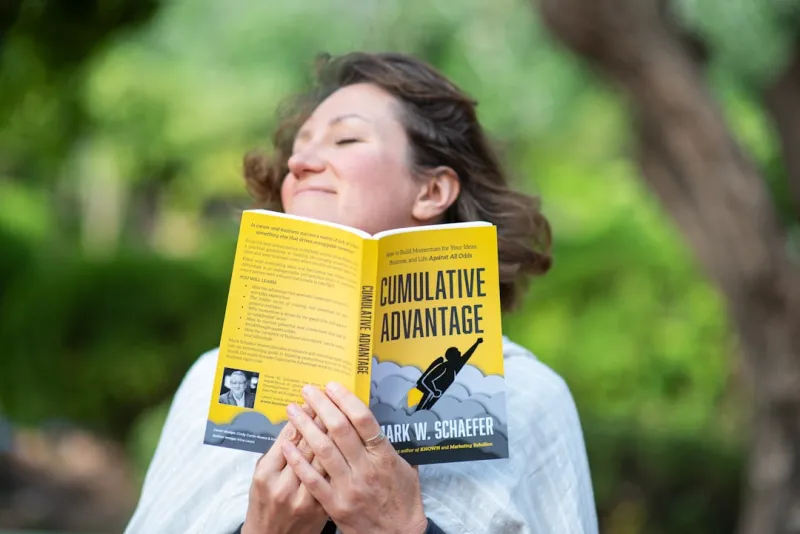
Understanding the Hidden Triggers of Autoimmune Chaos
Living with an autoimmune condition feels like walking through a dense fog while the world around you screams in color; you can sense the turbulence but rarely see its source. Over the years I’ve learned that the immune system is not a rogue soldier but a finely tuned orchestra that can be thrown off‑beat by subtle environmental cues, lingering infections, and even the foods we habitually choose. When I first received my diagnosis, I was desperate for a roadmap, and the truth unfolded slowly: stress, gut permeability, and chronic inflammation are the three pillars that often sustain the autoimmune fire. By recognizing that these pillars are interconnected, I began to dismantle the chaos one layer at a time, replacing fear with curiosity and, most importantly, with actionable, holistic strategies that honor my body’s innate wisdom.
The Gut‑Immune Axis: Your Body’s Secret Communication Line
One of the most profound revelations in my journey was discovering that the gut is the command center for immune regulation, a concept I explored deeply in Nurturing Your Inner Garden. The lining of our intestines acts like a selective gatekeeper, deciding which particles enter the bloodstream and which stay out; when that gate becomes leaky, immune cells receive false alarms and launch attacks on healthy tissues. I started mapping my meals, noting which foods triggered flare‑ups, and introduced fermented delights, bone broth, and targeted pre‑biotics to rebuild a resilient microbiome. Within weeks, the relentless brain fog lifted, joint stiffness eased, and I felt a renewed sense of control. The lesson? Healing the gut isn’t a quick fix; it’s a sustained practice of nourishment, patience, and listening to the subtle signals that tell you what your body truly needs.
Stress Management: Calming the Internal Storm
Stress is the silent catalyst that amplifies autoimmune responses, and I realized this when my cortisol levels spiked during a hectic work deadline, coinciding with a severe flare. I turned to mindfulness, breathwork, and gentle movement—practices I previously dismissed as “soft” but now see as essential for immune balance. Simple techniques like a three‑minute diaphragmatic breathing exercise before meals can reset the nervous system, lowering inflammatory markers and fostering a sense of calm. Additionally, I integrated short nature walks, which not only reduced my heart rate but also increased my vitamin D synthesis, a known modulator of immune activity. By treating stress as a vital sign rather than an inconvenience, I created a buffer that protects my immune system from overreacting.
Detoxifying Daily: Resetting Your Body’s Natural Filters
Our modern environment bombards us with chemicals, heavy metals, and synthetic additives that can overwhelm the liver and kidneys, the body’s primary detoxifiers. I began a gentle “reset” inspired by the guide Reboot Your System, incorporating dry brushing, infrared sauna sessions, and a diet rich in chlorophyll‑laden greens. These practices support the lymphatic flow, encouraging the removal of cellular debris that might otherwise trigger autoimmune confusion. Importantly, I never pursued extreme cleanses; instead, I focused on consistent, low‑level support that complemented my nutrition and sleep hygiene. Over time, my energy levels stabilized, and I noticed fewer “random” aches that previously seemed unrelated to my condition.
Nutrition as Medicine: Building an Anti‑Inflammatory Plate
Food is the most immediate way we can influence inflammation, and my kitchen became a laboratory for testing anti‑inflammatory recipes. I adopted a Mediterranean‑style eating pattern, emphasizing omega‑3‑rich fish, olive oil, and colorful vegetables, while eliminating common irritants such as refined sugars, gluten, and dairy. Each meal was designed to provide a balance of macro‑ and micronutrients that support cellular repair and immune modulation. For instance, adding turmeric and black pepper to soups creates a potent curcumin complex that penetrates cell membranes and dampens inflammatory pathways. I also experimented with intermittent fasting, which gave my digestive system a nightly reprieve, allowing it to focus on repair rather than constant processing. The cumulative effect of these dietary shifts was a noticeable reduction in flare frequency and severity.
Movement with Purpose: Gentle Strength for Sensitive Bodies
Exercise used to feel like a punishment; the joint pain and fatigue made me dread every workout. The turning point arrived when I embraced low‑impact, functional movement—yoga, tai chi, and walking meditations—that honored my body’s limits while still promoting circulation and lymphatic drainage. These practices increase joint lubrication, stimulate mitochondrial health, and release endorphins that counteract pain signals. I also incorporated short, body‑weight circuits three times a week, focusing on controlled motions rather than heavy lifting, which helped maintain muscle mass without triggering inflammation. The key is consistency and listening to the subtle cues of soreness versus productive fatigue; this approach transformed exercise from a dreaded chore into a nurturing ritual.
Community and Knowledge Sharing: The Power of Collective Healing
No one should navigate an autoimmune diagnosis in isolation; the sense of belonging fuels resilience. I joined online support circles, attended local meet‑ups, and contributed articles like Navigating Autoimmune Disease, where sharing personal strategies sparked new ideas and reinforced accountability. The exchange of recipes, symptom‑tracking apps, and holistic resources created a living library that continues to evolve. Moreover, I found that teaching others solidified my own habits, turning knowledge into action. When you see a fellow traveler succeed, it ignites hope and reminds you that progress, even if incremental, is possible for everyone willing to commit to a holistic lifestyle.
Crafting a Sustainable Lifestyle: The Long‑Term Vision
Ultimately, living well with an autoimmune disease is less about “cure” and more about cultivating a sustainable, joyful existence that minimizes flare‑ups and maximizes vitality. I now view each day as an opportunity to fine‑tune my habits—whether that means sipping herbal tea before bedtime, scheduling regular lab work to monitor antibodies, or simply pausing to breathe during a stressful phone call. By integrating nutrition, stress management, movement, detox, and community into a cohesive routine, I have built a resilient framework that supports my body’s innate healing capacity. The journey is ongoing, and there will always be new challenges, but armed with a holistic toolbox and a compassionate mindset, I feel empowered to navigate the unpredictable terrain of autoimmune disease with confidence and grace.

Becky Putman is an Ottawa-based freelance writer and marketing professional with a passion for storytelling, animals, and community involvement. She enjoys creating engaging content that informs, inspires, and connects with readers.
Related Posts

Rewriting the Autoimmune Narrative: Everyday Strategies for Resilience and Renewal
Learn how to turn your autoimmune diagnosis into a dynamic story of empowerment with practical tips ... Read More
Conducting Your Autoimmune Health: The Power of Everyday Choices
A deep dive into how everyday habits—nutrition, sleep, stress handling, community, and technologyâ... Read More

Building Autoimmune‑Friendly Workplaces: Strategies for Sustainable Success
A practical guide for leaders to create flexible, supportive, and data‑informed workplaces that em... Read More
Top Posts

Tiny Rituals, Big Shifts: Redefining Pregnancy One Micro‑Moment at a Time
Explore how small, intentional rituals—like brief breath pauses, strategic food combos, and mindful digital boundaries—can reshape your pregnancy journey an...Read More

Navigating Narcolepsy: A Holistic Journey
A personal guide that blends medical insight, holistic habits, and community wisdom to help those with narcolepsy reclaim daily energy and confidence....Read More

Holistic Secrets to Thrive: A Woman’s Guide to Everyday Wellness
A heartfelt guide from Tammy French on embracing holistic practices that empower women to flourish in health, energy, and confidence....Read More
Seasonal Detox: Aligning Your Body with Nature’s Rhythms for Lasting Cleanliness
Learn how to harness seasonal foods, natural light, grounding, and breathwork to create a sustainable body detox that works with your body’s innate rhythms....Read More
0 Comments
Post Comment
You will need to Login or Register to comment on this post!