
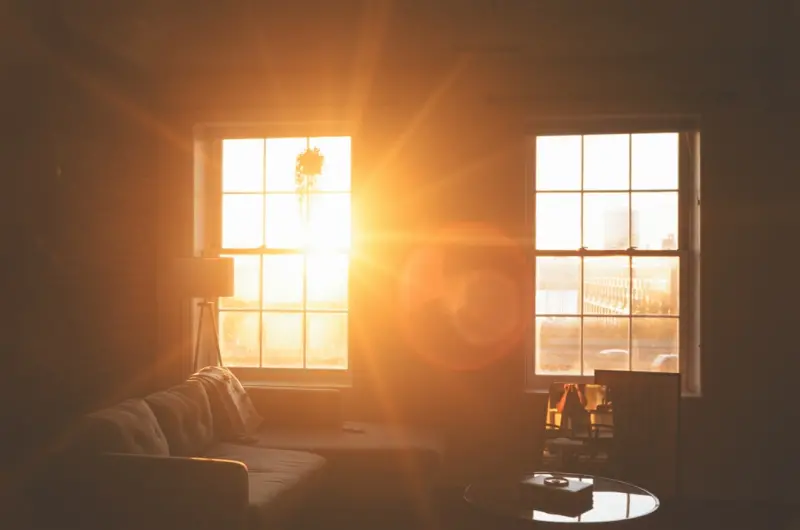
Imagine stepping outside at sunrise, feeling the gentle warmth on your skin, and knowing that every photon is whispering a reset signal to the deepest parts of your biology. It isn’t a poetic metaphor—it’s a science‑backed strategy that can transform energy levels, mood, and even immune resilience. In this deep dive, we’ll unpack how the timing and quality of natural light interact with our circadian system, why modern indoor lifestyles have thrown that conversation off balance, and what practical steps you can embed into daily routines to let sunlight do the heavy lifting for your health.
Why Light Matters More Than You Think
Light is the master zeitgeber—a German word meaning “time‑giver.” It tells the suprachiasmatic nucleus (SCN), the brain’s central clock, when to cue hormone release, metabolism, and even DNA repair. When you expose your eyes to bright, blue‑rich light in the morning, the SCN sends a cascade of signals:
- Melatonin suppression – the sleep hormone drops, alertness rises.
- Cortisol spike – a natural, brief surge that primes you for action.
- Serotonin boost – the precursor to mood‑elevating melatonin later in the day.
Conversely, dim evenings keep melatonin high, signaling the body to wind down. The timing of these signals dictates everything from glucose handling to inflammatory pathways. When the rhythm is misaligned—think late‑night screen time or a windowless office—your body lives in a perpetual state of “jet lag,” which over time can erode immune competence and metabolic health.
The Modern Light Deficit
Most of us spend 80‑90 % of our waking hours under artificial lighting that’s either too dim or the wrong spectral composition. LED office lights, fluorescent bulbs, and the blue glare from screens all deliver light that is either too low in intensity or mis‑timed for optimal circadian signaling. The result?
- Elevated baseline cortisol, which fuels stress and can blunt immune response.
- Reduced melatonin production at night, impairing sleep quality.
- Disrupted gut microbiome rhythms, affecting digestion and nutrient absorption.
These disturbances are subtle at first—maybe you feel a little sluggish mid‑afternoon or notice that you’re reaching for caffeine earlier than usual. Over months, the cumulative impact can manifest as chronic inflammation, weight gain, and heightened susceptibility to infections.
Strategic Sunlight: A Three‑Phase Blueprint
To harness sunlight effectively, think of your day in three light phases: Dawn, Midday, and Dusk. Each phase delivers a distinct spectral punch and hormonal cue.
Phase 1: Dawn – The Wake‑Up Call
Goal: Signal the SCN to start the day, boost cortisol and serotonin.
How:
- Step outside within 30 minutes of sunrise, even if it’s cloudy. Aim for 10‑15 minutes of direct eye exposure (no sunglasses, but protect against glare if you’re driving).
- If stepping out isn’t possible, sit near a bright window that receives morning sun. Position a reflective surface (like a white board) to bounce light onto your face.
- Combine light exposure with light‑moving movement—simple stretches or a brief walk—because physical activity synergizes with the cortisol surge.
Phase 2: Midday – The Power Surge
Goal: Reinforce alertness, support metabolic pathways, and protect DNA.
How:
- Take a 20‑minute “sun break” between 11 am and 1 pm. Expose your arms, neck, and face to direct sunlight. This not only delivers UV‑B for vitamin D synthesis but also engages peripheral clocks in skin cells.
- Pair the break with a protein‑rich snack (e.g., a handful of nuts or Greek yogurt) to capitalize on the cortisol‑driven glucose mobilization.
- If you can’t get outdoors, use a full‑spectrum light therapy lamp set to 10,000 lux for 5‑10 minutes.
Phase 3: Dusk – The Wind‑Down Signal
Goal: Initiate melatonin production, cue the body for restorative sleep.
How:
- Begin dimming lights in your environment 2‑3 hours before bedtime. Swap bright LEDs for amber or red bulbs that emit minimal blue wavelengths.
- Take a short, leisurely stroll during the “golden hour” (the hour before sunset). The diminishing blue light naturally raises melatonin while the gentle movement lowers heart rate.
- Avoid screens or use blue‑light filters if you must work late. The goal is to let the natural drop in light guide your internal clock.
Integrating Light with Other Health Pillars
Sunlight timing works best when it dovetails with nutrition, movement, and psychosocial factors. Here’s how you can weave them together:
Nutrition Sync
Eat your largest meal earlier in the day, ideally within 2‑3 hours of your midday sun exposure. This aligns peak insulin sensitivity with the body’s natural metabolic rhythm, reducing post‑prandial blood sugar spikes.
Movement Alignment
Schedule moderate‑intensity exercise (like brisk walking or yoga) during your sunlight windows. Physical activity further amplifies cortisol’s beneficial effects and improves mitochondrial function.
Social Connection Boost
Combine outdoor time with community. A lunchtime walk with a colleague or an early‑morning coffee on the patio transforms light exposure into a social connection science opportunity, which research shows can amplify mood elevation and stress reduction.
Gut Clock Harmony
Your gut harbors its own set of peripheral clocks that respond to feeding times and light cues that reach the skin. Aligning meals with sunlight helps keep the gut microbiome in sync, a concept explored in gut health discussions. When the gut’s rhythm aligns, you’ll notice smoother digestion and fewer bloating episodes.
Hormonal Balance Check
If you’re already tracking hormones, you’ll see that proper light exposure can smooth out the peaks and valleys of cortisol, DHEA, and thyroid hormones. For a deeper dive into how light interacts with these pathways, see the insights from hormonal balance resources.
Common Pitfalls and How to Sidestep Them
Even with a solid plan, it’s easy to trip up. Below are the most frequent mistakes and quick fixes:
- “I’m too busy for sunrise.” – Set an alarm 15 minutes earlier and keep a pair of sunglasses (for after the initial exposure) and a simple walking route ready. The habit forms quickly once you notice the morning boost.
- “I get sunburned quickly.” – Limit direct UV exposure to 10‑15 minutes and apply sunscreen after the initial exposure window. Sunburn is an inflammatory response that can counteract the anti‑inflammatory benefits of light.
- “My office has no windows.” – Invest in a high‑intensity light therapy box. Place it on your desk and use it for 5‑10 minutes during your mid‑morning slump.
- “Evenings are too bright at home.” – Switch to warm‑toned bulbs and use blackout curtains to control external light sources. A consistent evening dimming routine cues melatonin production.
Measuring Success: Simple Metrics to Track
Quantifying the impact of sunlight timing doesn’t require lab tests. Use these everyday markers:
- Sleep latency – How long it takes you to fall asleep after lights out. A reduction of 5‑10 minutes signals better melatonin alignment.
- Morning alertness rating – On a scale of 1‑10, note your energy level each morning. An upward trend indicates effective cortisol priming.
- Mood journal – Record moments of irritability or calm. Consistent exposure should reduce mood swings.
- Immune markers – Note frequency of colds or lingering infections. Fewer episodes suggest improved immune readiness.
Putting It All Together: A Sample Day
Here’s a practical illustration that merges light, movement, nutrition, and social interaction:
- 6:30 am – Wake, open blinds, step onto the balcony for 10 minutes of sunrise exposure. Take three deep breaths, stretch gently.
- 7:00 am – Light breakfast (protein + complex carbs) while listening to a brief podcast with a friend.
- 9:30 am – 5‑minute light therapy break at the desk.
- 12:00 pm – 20‑minute walk in a nearby park, soaking midday sun. Lunch outdoors with a colleague.
- 3:00 pm – Light snack, hydrate, and a 5‑minute stretch.
- 6:30 pm – Dinner (lighter fare) before sunset, dim ambient lighting to amber.
- 7:30 pm – Evening stroll during golden hour, no screens.
- 9:00 pm – Begin winding down: dim lights, no electronics, perhaps a short meditation.
- 10:00 pm – Lights out, allowing melatonin to rise naturally.
This rhythm may feel like a chore at first, but the cumulative benefit—sharper focus, steadier mood, and a resilient immune system—makes it a sustainable habit.
Final Thoughts: Light as Your Daily Prescription
We often chase supplements, gadgets, and complex diets in pursuit of health, overlooking a resource that’s free, abundant, and evolutionarily calibrated: sunlight. By aligning your daily schedule with the natural progression of light, you give your body the cues it needs to regulate hormones, support the gut, and keep the immune army ready. Start small, stay consistent, and watch how a few minutes of sunrise can cascade into a healthier, more vibrant you.

Craig Brett is a freelancer with a passion for the outdoors. His love for nature inspires his work, bringing authentic and engaging perspectives to projects related to outdoor activities, adventure, and environmental topics.
Related Posts

The Oral Microbiome: Your Mouth’s Secret Role in Whole‑Body Performance
The oral microbiome is a rapid‑response hub that shapes inflammation, hormone balance, and brain c... Read More

The Soundtrack of Digestion: Leveraging Auditory Cues for Gut Wellness
Explore the surprising link between the sounds you hear during meals and your digestive health, with... Read More
Micro‑Movement Mastery: Turning Everyday Moments into Health Wins
A simple, science‑backed approach shows how integrating micro‑exercises into daily routines can ... Read More
Top Posts

Nourishing Your Body: A Holistic Approach to Everyday Nutrition
Explore a holistic nutrition roadmap that blends mindful eating, whole foods, and strategic timing to empower busy individuals seeking lasting health and vitali...Read More

Breathing Easy on the Road: My Journey Managing Sleep Apnea While Traveling
I share my personal roadmap for navigating sleep apnea while traveling, covering equipment, accommodations, and mindset tricks that keep the night restful where...Read More
Breath, Light & Posture: Blood Pressure Strategy for Modern Professionals
A practical guide shows how rhythmic breathing, natural lighting, and proper posture can collectively lower blood pressure, offering busy professionals a proact...Read More

Beyond the Juice Cleanse: Unlocking Your Body’s Hidden Detox Networks
Learn practical, science‑backed habits—from lymphatic flow drills and contrast showers to strategic breathing and kidney‑friendly hydration—that turn ev...Read More
0 Comments
Post Comment
You will need to Login or Register to comment on this post!