

Beyond the Clouds: Unpacking the Environmental Footprint of Modern Vaping
When I first swapped my pack of cigarettes for a sleek vape pen, the experience felt like stepping into the future – a cleaner, tech‑savvy ritual that promised fewer smells and a gentler buzz. The transition was intoxicating, not just because of the nicotine hit, but because the act itself felt modern, almost ceremonial. Yet, as the clouds of vapor cleared, a quieter question began to surface: what happens to all those sleek devices once they’re done? In this post, I’m pulling back the curtain on the hidden environmental impact of vaping, exploring everything from discarded pods to the chemistry of e‑liquids, and offering practical steps we can take to vape responsibly.
The Rise of Disposable Vapes: A Convenience Crisis
Disposable vapes exploded onto the market in the last few years, and for good reason. They’re cheap, easy to use, and come pre‑filled with a variety of flavors that appeal to both seasoned vapers and newcomers alike. But that convenience comes with a cost that often goes unmentioned in glossy marketing campaigns.
- Material Overload: Most disposables are constructed from a combination of plastic, aluminum, and a small lithium‑ion battery. When tossed, these components end up in landfills where they can take decades to break down.
- Chemical Leakage: E‑liquids contain propylene glycol, vegetable glycerin, nicotine, and flavorings. If a pod punctures, these substances can leach into soil and water, posing risks to wildlife.
- Battery Pollution: Even a tiny lithium battery can become a fire hazard if it ends up in a landfill’s anaerobic environment, potentially contaminating surrounding ecosystems.
In the United States alone, an estimated 30 million disposable vapes are sold each year. That translates to millions of pounds of mixed waste, much of which never makes it into recycling streams because the devices are not easily disassembled.
The Hidden Chemistry: Flavorings, Aerosols, and Their Afterlife
Flavor is the siren song that draws many to vaping. From “Mango Tango” to “Cinnamon Swirl,” the palette seems endless. Yet, the chemistry behind these flavors is more complex—and potentially more problematic—than you might think.
Most flavoring agents are derived from food‑grade chemicals, but when heated, they can break down into aldehydes, ketones, and other volatile organic compounds (VOCs). While inhalation of these breakdown products is a health concern on its own, they also contribute to atmospheric pollutants once exhaled.
- Acetaldehyde: Known for its pungent, fruity odor, this compound can form when certain flavorings are heated, adding to indoor air pollution.
- Formaldehyde: A well‑studied irritant, it can appear in trace amounts when e‑liquids are vaporized at high temperatures.
- Diacetyl & Acetyl Propionyl: While once celebrated for buttery flavors, these chemicals have been linked to “popcorn lung” in occupational settings and can linger in the environment after use.
When we exhale our cloud, the vapor doesn’t simply disappear; microscopic droplets settle on surfaces, enter ventilation systems, and eventually become part of the broader atmospheric load of VOCs. Though the quantities are small compared to industrial emissions, the cumulative effect of millions of vapers worldwide is not negligible.
Recycling Realities: Why Your Vape Can’t Just Hit the Bin
Many of us assume that “recyclable” means “throw it in the blue bin.” Unfortunately, most vape devices are a hybrid of materials that require specialized processing. Here’s a quick rundown of what you need to know:
- Battery First: Lithium batteries must be removed and taken to a dedicated e‑waste collection point. Attempting to recycle them with regular plastics can cause fires.
- Separate the Cartridge: Some brands design pods that snap off for easy disposal. When possible, empty the remaining e‑liquid into a sealed container before discarding the pod.
- Plastic and Metal: The outer casing often mixes PET plastic with aluminum. Look for local programs that accept mixed e‑waste; otherwise, consider up‑cycling ideas like turning the shell into a small planter.
Unfortunately, many municipalities lack the infrastructure to handle these mixed streams, leading to a “recycling gap.” According to a 2023 study on waste management, only 10‑15% of disposable vape components are properly recycled, with the rest ending up in landfills or incinerators.
Vaping and the Circular Economy: A Path Forward
So, what can the industry and consumers do to turn this tide? The answer lies in embracing the principles of a circular economy—designing products with their entire lifecycle in mind.
- Modular Design: Brands could produce refillable, battery‑separate devices that allow users to replace only the e‑liquid cartridge, dramatically cutting waste.
- Take‑Back Programs: Companies like VapoCycle (a hypothetical example) are piloting mail‑in schemes where users ship back used pods for safe recycling, receiving a discount on their next purchase.
- Biodegradable Materials: Researchers are experimenting with plant‑based plastics for pod casings that break down within months under industrial composting conditions.
- Transparent Supply Chains: When manufacturers disclose the exact composition of their devices, regulators and recyclers can develop targeted processing streams.
These initiatives are still in their infancy, but they signal a shift away from the “use‑and‑throw” mindset that has dominated the vaping market.
Practical Steps for the Conscious Vaper
While waiting for industry‑wide change, there are concrete actions each of us can take to reduce our personal environmental footprint.
1. Choose Refillable Systems
Investing in a refillable vape kit may have a higher upfront cost, but the long‑term savings—and waste reduction—are significant. Look for devices that separate the battery from the tank, allowing you to swap out e‑liquids without discarding the entire unit.
2. Keep a “Vape Disposal Box” at Home
Designate a small container for used pods, batteries, and broken parts. When it’s full, locate a certified e‑waste drop‑off. This habit prevents accidental landfill dumping and keeps you mindful of your consumption.
3. Support Brands with Take‑Back Initiatives
When shopping, check the company’s website for recycling or return programs. Some brands even offer loyalty points for each returned item—a win‑win for you and the planet.
4. DIY Flavor Experiments (Safely)
If you enjoy crafting your own e‑liquids, consider using food‑grade flavor concentrates that you already have at home. This reduces the need for pre‑packaged, single‑use cartridges. Remember to stay within safe nicotine concentrations and follow reputable recipes.
5. Advocate for Better Regulation
Contact your local representatives and ask them to push for stricter e‑waste regulations that specifically address vaping products. Public pressure can accelerate the adoption of recycling standards.
Connecting Vaping to Broader Wellness Trends
Vaping is often discussed in isolation—focused on nicotine addiction or the social aspect of “cloud chasing.” Yet, it sits at the intersection of several emerging wellness narratives.
For instance, the concept of tiny resets has gained traction as a way to manage stress: short, intentional breaks that reboot our nervous system. A mindful vaping session—where you consciously notice the flavor, the temperature of the vapor, and the rhythm of your breath—can serve as a mini meditation, provided it’s done responsibly and with low nicotine levels.
However, the environmental angle adds a new layer: a truly holistic approach to wellness must consider the health of the planet that sustains us. By aligning our personal habits with ecological stewardship, we create a feedback loop where caring for the Earth becomes part of caring for ourselves.
The Future of Vaping: From Trend to Sustainable Habit
Imagine a world where every vape device is designed for endless reuse, where the clouds you exhale are composed of biodegradable vapor, and where the scent of your favorite flavor no longer leaves a toxic imprint on the environment. It sounds like a distant utopia, but with collective action—from manufacturers, policymakers, and everyday vapers—we can move toward that reality.
As we continue to explore the frontiers of nicotine delivery, flavor innovation, and user experience, let’s also champion a parallel frontier: sustainable design. After all, the most satisfying cloud is one that leaves no lasting mark—except perhaps a fleeting, pleasant memory.

Tammy French is a Montessori Teaching Assistant and freelance writer passionate about education, creativity, and inspiring lifelong learning through engaging content.
Related Posts

Beyond the Clouds: How Modern Vaping Is Redefining Workplace Well‑Being
Vaping is moving beyond a nicotine habit to become a nuanced part of workplace wellness. Discover ho... Read More
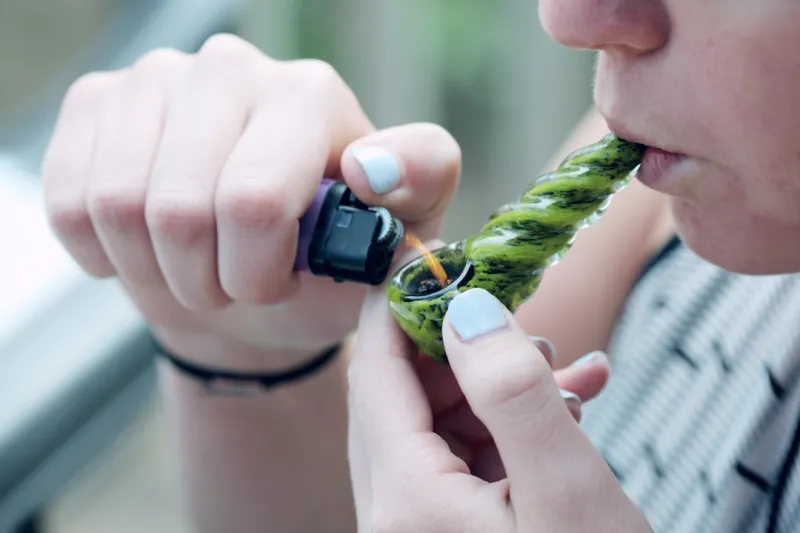
Finding Freedom from Vaping in 2026: A Holistic Journey to Whole‑Self Wellness
A personal, holistic guide to quitting vaping in 2026, combining nutrition, breath work, and communi... Read More
How Vaping Communities Are Shaping Identity and Wellness
Vaping has become more than a habit; it’s a thriving community that molds identity, offers peer su... Read More
Top Posts

Micro‑Rest Mastery: Turning Narcolepsy into a Workplace Superpower
A fresh look at narcolepsy shows how brief, intentional micro‑rests can reset the brain, spark creativity, and improve productivity, turning a neurological ch...Read More

Balancing Blood Sugar Naturally: A Personal Blueprint
Learn how to stabilize glucose naturally through mindful meal timing, smart food combos, stress reduction, and brief activity bursts—crafted from personal exp...Read More

Gut‑Driven Detox: Reboot Your Microbiome for a Cleaner Body
A gut‑centric detox transforms the microbiome into a natural toxin‑removing engine. Learn practical steps—fermented foods, prebiotic pairing, hydration, m...Read More

Weight Loss as a Narrative Reset: Crafting Your Own Body Story
A novel perspective on weight loss treats the journey as a personal narrative, emphasizing identity, sensory eating, micro‑movement, rhythm‑driven workouts,...Read More
0 Comments
Post Comment
You will need to Login or Register to comment on this post!