
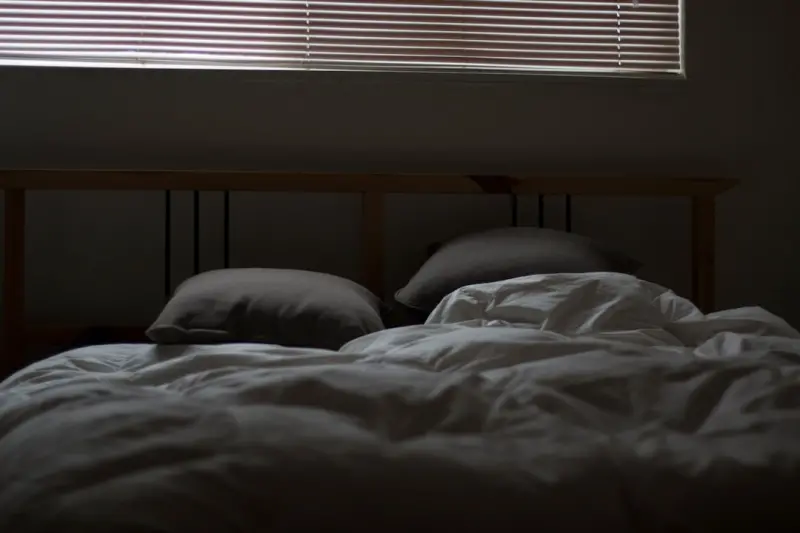
When the Night Won’t Sleep: Turning Insomnia Into a Data‑Driven Ally
I’ve spent more nights staring at the ceiling than I care to admit. My mind, that relentless companion, would spin stories about tomorrow’s meetings, yesterday’s missed deadlines, and the ever‑present question: “What if I never feel rested again?” Over time I realized that insomnia isn’t just a nuisance—it’s a signal, a piece of feedback that, if decoded, can become a powerful tool for personal performance.
In this post I’ll share the roadmap I built to listen to my sleeplessness, measure its patterns, and re‑engineer my nights. The goal isn’t to banish insomnia forever—that myth of “perfect sleep” is as unattainable as a forever‑full inbox—but to harness the data it offers so that each restless night moves me a step closer to a healthier rhythm.
1. Stop Treating Insomnia Like a Failure
First things first: insomnia is not a personal flaw. It’s a physiological response to stress, light exposure, nutrition, and even the micro‑movements we make (or don’t make) while we lie still. When I stopped labeling every sleepless night as a “failure,” the pressure eased, and the brain stopped spiraling into a self‑fulfilling prophecy.
Instead, I asked:
- What does my body want to tell me?
- Which external cues are pushing me off‑track?
- Can I gather enough data to spot a pattern?
Answering these questions turned insomnia from a silent adversary into a conversation partner.
2. Capture the Nighttime Signal With Wearables
My first experiment was simple: I slipped a wrist‑worn device on before bed and let it do what it does best—track heart rate variability (HRV), skin temperature, and movement. The numbers alone didn’t mean much until I paired them with a journal.
Every morning I logged:
- Time I finally fell asleep (or hit the 3‑hour mark)
- Room temperature and lighting conditions
- Pre‑sleep meals and caffeine intake
- Emotional tone (stressful, relaxed, anxious)
After two weeks, patterns emerged. On nights when my bedroom temperature hovered above 72°F, my HRV dropped and I tossed for hours. On days I consumed a protein‑rich snack within two hours of bedtime, my skin temperature rose more gradually, nudging me toward sleep.
If you’re curious about how wearables can do more than just count steps, check out Harnessing Wearable Biofeedback to Anticipate Autoimmune Flare‑Ups. The same principles apply: data, when contextualized, becomes predictive.
3. The Role of Micro‑Movement (And Why It Matters)
We often think of movement as something you do in the daylight, but the body is constantly making tiny adjustments while you lie still. Those micro‑movements are a window into nervous system arousal. When I started paying attention to them, I realized that a restless night was often preceded by a “stiff‑as‑a‑board” posture.
Enter the concept of Variable Movement Patterns. By gently stretching or doing a few slow, intentional motions before hitting the pillow—think a 30‑second cat‑cow flow or a light spinal twist—you signal to the nervous system that it’s safe to transition into rest.
Here’s a quick routine I swear by:
- Lie on your back, knees bent, feet flat. Inhale, hug your knees to your chest.
- Exhale, release, let your lower back flatten.
- Repeat five times, letting each breath guide a subtle shift in your pelvis.
- Finish with a 60‑second “body scan”—notice any tension, breathe into it, and let it dissolve.
These micro‑movements reset the proprioceptive feedback loop, calming the brain’s alarm system.
4. Light, Color, and the Hidden Clockwork
Our internal clock isn’t just a myth; it’s a sophisticated network of light‑sensitive cells that dictate melatonin release. The “blue” spectrum—think smartphone screens and LED bulbs—tricks the brain into thinking it’s still daytime.
I upgraded my nightstand lamp to a warm‑amber hue and installed a blue‑blocking filter on my phone. The effect was subtle but measurable: my melatonin surge kicked in 20‑30 minutes earlier, and my “lights‑out” window shifted forward.
Pro tip: use smart bulbs that gradually dim and shift color temperature as you approach bedtime. The gradual cue mirrors sunset, reinforcing the body’s natural rhythm without a single word of instruction.
5. Nutrition as a Nighttime Buffer
What you eat—and when you eat—has a direct line to your sleep architecture. Heavy meals spike insulin, while certain amino acids (like tryptophan) boost serotonin, a melatonin precursor.
My go‑to evening snack is a small bowl of Greek yogurt topped with a drizzle of honey and a sprinkle of chia seeds. The protein supplies tryptophan, the honey offers a gentle rise in blood sugar (avoiding a crash), and the chia’s omega‑3s support brain health.
On the flip side, I’ve learned to steer clear of caffeine after 2 p.m. and limit alcohol to a single glass, as both disrupt REM cycles and can increase nighttime awakenings.
6. Re‑Framing the Narrative: From “Rest” to “Recovery”
Instead of demanding “8 hours of uninterrupted sleep,” I now ask my body, “How can I recover tonight?” This shift opens the door to alternative recovery methods that complement sleep, such as:
- Guided breathwork—Box breathing (4‑4‑4‑4) for 5 minutes can lower sympathetic tone.
- White noise or nature soundscapes—They mask disruptive environmental sounds and promote a stable auditory environment.
- Gentle journaling—Writing down lingering thoughts frees working memory, reducing cognitive load.
These “micro‑recovery” practices fill the gaps when sleep is fragmented, ensuring the body still receives restorative signals.
7. Building a Personal Sleep Dashboard
All the data points—wearable metrics, temperature logs, nutrition notes, light exposure—can be funneled into a simple spreadsheet or a dedicated sleep‑tracking app. I set up columns for:
- Date
- Bedtime & Wake Time
- Average HRV (first 30 min)
- Room Temp (°F)
- Caffeine (mg)
- Pre‑Sleep Snack
- Subjective Sleep Quality (1‑10)
After a month, I ran a correlation analysis (Excel’s Data Analysis pack does the trick). The strongest predictor of a “good” night (rating ≥ 7) was a combination of lower room temperature and a pre‑sleep snack containing tryptophan.
Seeing the numbers laid out gave me confidence: I could now tweak one variable at a time and see the impact, turning insomnia from a vague frustration into an experiment with measurable outcomes.
8. When to Call in the Professionals
While DIY data‑driven tweaks work for many, there are moments when insomnia signals deeper issues—sleep apnea, chronic pain, or mental health concerns. If you notice any of the following, it’s time to seek expert help:
- Consistent sleep latency > 45 minutes for more than two weeks
- Loud snoring, gasping, or observed pauses in breathing
- Persistent daytime fatigue despite following all the above strategies
- Feelings of hopelessness or anxiety that dominate bedtime thoughts
A sleep specialist can run a polysomnography study, while a therapist trained in CBT‑I (Cognitive Behavioral Therapy for Insomnia) can help rewire those late‑night thought loops.
9. The Payoff: From Restless Nights to Resilient Days
Six months into this systematic approach, my average sleep latency dropped from 38 minutes to 12 minutes, and my HRV rose by roughly 8 points on good nights. More importantly, I feel in control of my nights. Insomnia is no longer a silent saboteur but a data point I can act on.
If you’re reading this with a cup of tea at 2 a.m., I hear you. The journey from sleeplessness to sleep‑savvy isn’t instantaneous, but it’s doable—especially when you treat each night as a mini‑experiment rather than a verdict on your worth.
So, next time the ceiling lights flicker in your mind, remember: you have the tools to decode, adjust, and, yes, even embrace the occasional restless night as a stepping stone toward a more resilient, data‑informed you.

Kelly Reynolds is a dynamic freelance writer hailing from the picturesque landscapes of Alberta. A master of the written word, she juggles her passion for storytelling with the exhilarating chaos of being a mother to five spirited children. With an impressive portfolio that spans various genres, Kelly captivates readers through her engaging blog posts and thought-provoking articles.
Related Posts
When Insomnia Becomes Your Night‑Time Innovation Lab
Discover a practical playbook that transforms restless nights into strategic work sessions, micro‑... Read More
Reclaiming Rest: A Fresh Look at Insomnia
A comprehensive guide that reveals how lighting, digital habits, nutrition, movement, and mindfulnes... Read More
When the Night Won’t Let You Rest: Crafting a Creative Ritual for Restless Minds
Discover how to transform insomnia into a calm, creative ritual using sensory cues, brief reflection... Read More
Top Posts

Playful Movement: Turning Everyday Activities into Joyful Workouts
Learn to fuse fun, community, and functional moves into daily life, making exercise feel less like a chore and more like a playful adventure....Read More
The Gut-Brain Connection: Unlocking the Secrets to Optimal Gut Health
The gut-brain connection is a critical aspect of our overall health and wellbeing. Learn how to support optimal gut health through a holistic approach....Read More

Fueling Creative Flow: Nutrition Strategies for the Modern Knowledge Worker
Explore a performance‑oriented nutrition framework—balanced macros, timed fuel, brain‑food staples, and hydration hacks—that transforms how modern profe...Read More

Understanding Sleep Apnea: A Holistic Approach to Better Health
Sleep apnea is a complex condition that affects millions of people worldwide. Learn about its causes, symptoms, and treatment options, and how a holistic approa...Read More
0 Comments
Post Comment
You will need to Login or Register to comment on this post!