

Why Playful Movement Beats Rigid Routines
When I first swapped my strict treadmill schedule for a spontaneous hallway dance‑off, I discovered that joyful movement trumps discipline‑driven workouts every time. The body responds to curiosity the same way the brain lights up for a new playlist—by releasing dopamine, lowering cortisol, and inviting you back for another round. Instead of counting reps, I count laughs, and that simple shift has turned my living room into a kinetic playground where fitness feels like a party rather than a chore.
Re‑Imagining the Everyday Walk
Walking is the most underrated exercise, yet most of us treat it like a chore: shoulders hunched, eyes glued to screens, steps measured by a smartwatch. I began to infuse intention into each stride by syncing my breath to the rhythm of my surroundings—matching the cadence of city traffic or the rustle of leaves. This mindful pacing transforms a mundane commute into a meditative flow, sharpening balance, engaging core stability, and turning the sidewalk into a moving sanctuary.
Game‑Based Workouts: Turning Play Into Power
Remember the thrill of beating a high score as a kid? I’ve channeled that same competitive spirit into my fitness by using app‑based challenges that reward every squat, jump, or plank with points, badges, and leaderboards. The secret isn’t the technology; it’s the psychological trigger that tells your brain “you’re playing, not working,” which lowers perceived effort and boosts consistency. When a friend challenges you to a 30‑day “jump‑rope duel,” the excitement fuels the habit far better than any solitary routine.
Integrating Functional Moves Into Daily Tasks
Why wait for a dedicated workout slot when you can embed strength moves into everyday chores? While loading groceries, I add a calf‑raise; during dishwashing, I practice shoulder rotations; and while waiting for the kettle to boil, I squeeze a set of wall‑sits. These micro‑bursts of functional movement improve joint mobility, reinforce muscle patterns, and keep metabolism humming without demanding extra time on the calendar.
Community Rhythm: Group Fitness as Social Glue
There’s a magnetic pull when strangers move together in sync—whether it’s a drum‑circulated cardio class or a neighborhood “step‑dance” meet‑up. The collective rhythm creates an invisible bond, releasing oxytocin and fostering a sense of belonging that solitary workouts can’t replicate. I started a weekly “Move‑Together” circle in my block, and the turnout has exploded, proving that shared movement builds both muscle and community.
Leveraging Technology Without Losing the Human Touch
While I adore the spontaneity of dancing in my hallway, I also appreciate tools that keep me accountable. A simple home exercise playground guide helped me map out zones for cardio, strength, and stretch without cluttering my space. The key is using tech as a scaffold—not a crutch—so you can still feel the sweat on your skin and the beat in your heart.
Understanding the Science of “Fun‑Fit”
Research shows that when exercise is perceived as fun, the brain releases endorphins and dopamine in higher concentrations, enhancing neuroplasticity and reinforcing the habit loop. This biochemical cocktail not only improves mood but also accelerates recovery, allowing you to train more frequently without burnout. By framing each session as a game or dance, you tap into the same pathways that keep us engaged in hobbies, making fitness a natural extension of play.
Building Long‑Term Resilience Through Play
Just as children develop resilience by repeatedly falling and getting back up on the playground, adults can cultivate physical and mental toughness by embracing imperfect, playful workouts. When you allow yourself to be goofy—whether you’re wobbling in a yoga pose or missing a beat in a dance routine—you create a safe environment for growth. This mindset reduces fear of failure, encourages experimentation, and ultimately leads to stronger, more adaptable bodies.
From Playful Movement to Sustainable Lifestyle
At the end of the day, the goal isn’t a temporary sprint but a lifelong marathon of movement. By weaving play, community, and functional tasks into the fabric of everyday life, you build a sustainable exercise ecosystem that feels effortless. And when you hit a plateau, revisit the fundamentals—add a new game, try a fresh walking rhythm, or explore the science behind muscle memory to keep the momentum alive. The journey becomes less about ticking boxes and more about dancing through life’s chapters, one joyful step at a time.

Jessica Hall is a dynamic freelance writer based in the vibrant city of London, Ontario. As a dedicated single mom, she expertly juggles the demands of parenthood with her passion for storytelling, crafting compelling narratives that resonate with readers. With a background in retail, Jessica brings a unique perspective to her writing, infusing her work with insights drawn from her experiences
Related Posts

Exercise as an Innovation Engine: How Movement Fuels Breakthrough Thinking
Micro‑movement rituals embedded in daily workflows unlock neurochemical boosts that enhance creati... Read More

When Movement Becomes Muse: Turning Exercise Into Creative Power
Learn how the Creative Movement Loop transforms short, intentional bursts of activity into a powerfu... Read More
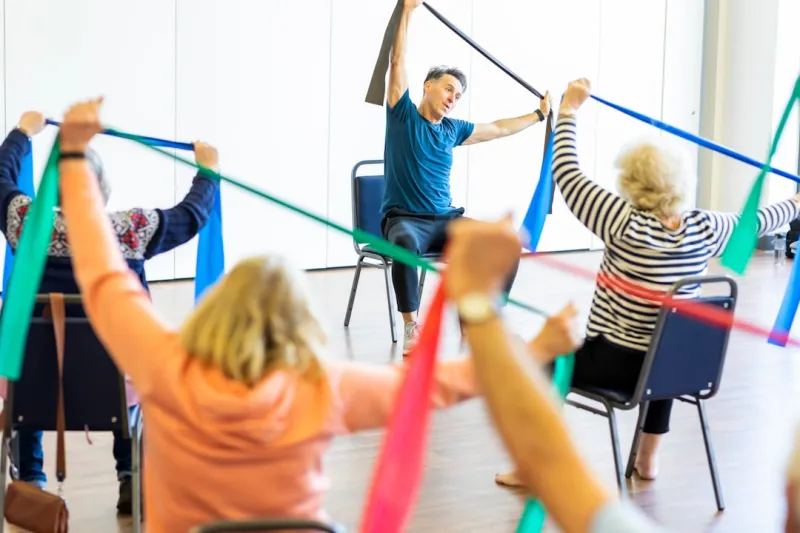
The Impact of Exercise on Mental Health in Seniors
Exercise plays a critical role in promoting mental health in seniors, reducing symptoms of depressio... Read More
Top Posts
The Power of Exercise in Managing Mental Health
Regular exercise can have a profound impact on mental wellbeing, reducing symptoms of anxiety and depression, and improving mood. Learn how to get started with ...Read More

Reclaiming Rest: A Data‑Driven Playbook to Beat Chronic Insomnia
Insomnia isn’t just a sleep issue—it’s a hidden performance leak. This playbook blends light management, micro‑breaks, nutrition timing, nature exposure...Read More
The Hidden Levers of Longevity: A Holistic Playbook for Everyday Vitality
Explore a fresh, science‑backed longevity playbook that blends relationships, daily rhythms, curiosity, and tiny habits to boost lifespan and vitality....Read More

Narrative Medicine: Redefining the Cancer Journey
A deep dive into how integrating patient stories into oncology care can boost resilience, improve treatment adherence, and humanize the cancer experience....Read More
0 Comments
Post Comment
You will need to Login or Register to comment on this post!