
When the Night Won’t Let You Rest: Crafting a Creative Ritual for Restless Minds
It’s a familiar scene: the clock ticks past midnight, the bedroom lights are dim, and the mind is louder than a stadium full of fans chanting. I’ve spent countless evenings staring at the ceiling, feeling like a malfunctioning night‑owl who can’t find the “off” switch. For many, insomnia is framed as a problem that needs a quick fix—a pill, a sleep‑tracker, or a strict bedtime routine. But what if, instead of battling the night, we invited it in and turned those quiet hours into a purposeful, creative ritual that serves both our work and our wellbeing?
Why the Conventional “Sleep‑First” Narrative Misses the Mark
The typical advice—“go to bed earlier,” “avoid screens,” “count sheep”—tends to treat insomnia as a binary state: you either sleep or you don’t. This black‑and‑white view can amplify anxiety, making the mind more restless. In my own experience, the moment I labeled a night as “failed,” the frustration spiraled, and the next night felt even harder.
Instead, I began to see sleeplessness as a signal, not a flaw. Our bodies are constantly communicating, and the night’s wakefulness can be a symptom of unresolved ideas, emotional processing, or even a misaligned circadian rhythm. By listening to that signal, we can design a nighttime practice that respects the body’s needs while channeling the mind’s energy into something constructive.
Step 1: Re‑frame the Narrative—From “Problem” to “Prompt”
The first shift is mental. Rather than labeling the hour after midnight as “the worst part of my day,” I started to call it the prompt hour. This subtle change reframes the experience from a defect to an invitation. The prompt hour becomes a time to explore, reflect, or experiment—without the pressure of having to fall asleep.
When I first tried this, I set a gentle intention: “Tonight, I’ll explore one lingering thought.” The expectation wasn’t to solve it, just to acknowledge it. The result? A calmer mind and, surprisingly, a more natural drift into sleep later on.
Step 2: Curate a Night‑Time Sensory Toolkit
Our senses are powerful regulators of arousal. I assembled a minimalist toolkit that I keep on my nightstand:
- Soft, amber lighting—Warm hues signal the brain that it’s time to wind down, unlike harsh blue light.
- White‑noise or gentle instrumental tracks—These mask sudden noises and provide a steady auditory backdrop.
- Cooling aromatherapy—A dab of lavender or cedarwood can lower heart rate.
- A small notebook—For quickly jotting down ideas or emotions that surface.
This toolkit is intentionally simple. The goal isn’t to create a spa but to give the brain predictable cues that we’re entering a “quiet creativity” mode rather than a “fight‑or‑flight” state.
Step 3: The “Micro‑Reflection” Session
Borrowing from the idea of tiny mental vacations, I introduced a Micro‑Reflection practice. For 10‑15 minutes, I sit upright, breathe deeply, and allow any thought to surface without judgment. If a particular thread catches my attention—perhaps a project deadline, a personal relationship, or a lingering curiosity—I give it a name (“Project X worry,” “Family chat”), then set it aside mentally, trusting I’ll revisit it later.
This exercise is not about problem‑solving; it’s about acknowledgement. By giving thoughts a brief spotlight, the brain feels heard, reducing the need to replay them endlessly. Over weeks, I noticed patterns: certain topics reappeared, hinting at deeper priorities that deserved conscious attention during daylight hours.
Step 4: Light Physical Movement as a Bridge
Gentle movement can lower cortisol without triggering the same alertness as cardio. I try a short sequence of floor‑based stretches: cat‑cow, child's pose, and a few slow spinal twists. The motion releases tension in the back and neck—common hotspots for people who sit at desks all day. The movement is mindful, synchronized with the breath, reinforcing the body‑mind connection that signals the nervous system to shift toward relaxation.
Step 5: Nutrition Check‑In—Fuel for the Night
Our evening diet plays a hidden role in sleep quality. A light snack that balances protein and complex carbs can stabilize blood sugar, preventing the night‑time spikes that keep the brain alert. I keep a small bowl of Greek yogurt with a drizzle of honey and a sprinkle of cinnamon—a soothing, gut‑friendly option that also aligns with the principles in Listening to Your Gut. This snack supports the vagus nerve, which helps regulate the parasympathetic response essential for rest.
Step 6: Capture the Insight—The Night Journal
While I avoid formal journaling as a “must‑do,” I do keep a brief “night note” page. After the Micro‑Reflection and any movement, I spend a minute writing down the highlighted thought and any subtle feeling that accompanied it. The entry is short—no more than two lines. Over time, these snippets become a repository of nighttime insights that can be revisited during the day, turning restless nights into a low‑key brainstorming archive.
Step 7: Transition to Sleep with a Gentle Countdown
When the body feels ready, I initiate a soft “countdown” ritual: I close my eyes, inhale for a count of four, hold for seven, exhale for eight (the 4‑7‑8 breath), and repeat three times. This breathing pattern naturally slows the heart rate. Following the breath, I dim the amber light further and let the white‑noise fade to a whisper. The final step is to tell myself, “I will rest now,” and let the mind drift without the pressure of immediate sleep.
What I’ve Learned: The Night as a Hidden Workshop
After months of experimenting, a few key observations emerged:
- Reduced anxiety around sleep—Viewing insomnia as a prompt lowered the stakes.
- Higher daytime focus—The nightly capture of thoughts freed mental bandwidth during work hours.
- Improved sleep latency—Even if total sleep time didn’t dramatically increase, falling asleep became smoother.
- Creative breakthroughs—Some of my most original ideas sprouted from the quiet, reflective moments after midnight.
It’s important to note that this approach isn’t a cure for chronic insomnia disorders that require medical intervention. However, for many “light‑to‑moderate” sleepers, reframing the night and integrating a purposeful ritual can transform a frustrating experience into a subtle asset.
Integrating the Routine Into a Busy Lifestyle
Life’s demands often feel at odds with a dedicated nighttime practice. The beauty of this system is its scalability. If you can’t commit to a full 20‑minute session, even a 5‑minute Micro‑Reflection can make a difference. The essential element is consistency: a repeated cue that the brain learns to associate with calm, purposeful rest.
For teams that thrive on collaboration, consider sharing the concept. A “Night‑Shift Insight” Slack channel (for those who work flexible hours) can become a space where members post brief notes from their prompt hours. This collective wisdom can spark cross‑departmental ideas and foster a culture that values the whole 24‑hour cycle, not just the typical 9‑to‑5.
Final Thought: Embrace the Night as Part of Your Innovation Cycle
Insomnia, when viewed through a lens of curiosity rather than defeat, offers a quiet laboratory for inner work. By honoring the mind’s wakefulness, providing sensory comfort, and channeling the energy into brief, intentional reflection, we can extract value from those otherwise restless hours. The next time the night stretches out before you, ask yourself: What does this prompt want to tell me? And then, with a notebook in hand, listen.

Related Posts
The Quiet Reset: Redesigning Evening Rituals for Natural Sleep
A practical, four‑phase framework shows how adjusting light, sound, micro‑rituals, and nutrition... Read More
When the Night Won’t Let You Sleep: Turning Wakefulness Into a Strategic Edge
Insomnia can be a hidden signal about your body and habits. This guide shows how to map triggers, le... Read More

When the Night Won’t Let Go: Rethinking Insomnia for Modern Professionals
Insomnia isn’t just a nighttime problem—it reflects daytime choices, environment, and hidden phy... Read More
Top Posts
Managing Blood Pressure through Lifestyle Changes
Maintaining healthy blood pressure is essential for overall well-being. Learn how to manage blood pressure through lifestyle changes, including diet, exercise, ...Read More

The Silent Saboteur: Reclaiming Energy by Tackling Sleep Apnea
A personal guide on recognizing sleep apnea’s impact on high‑performers and a 30‑day plan with modern devices, smart habits, and simple lifestyle changes ...Read More

Embracing Holistic Healing: My Path Through Cancer and Beyond
A candid, heart‑opening account of navigating cancer with holistic tools, from nutrition to mindset, offering hope and actionable steps for anyone seeking a f...Read More
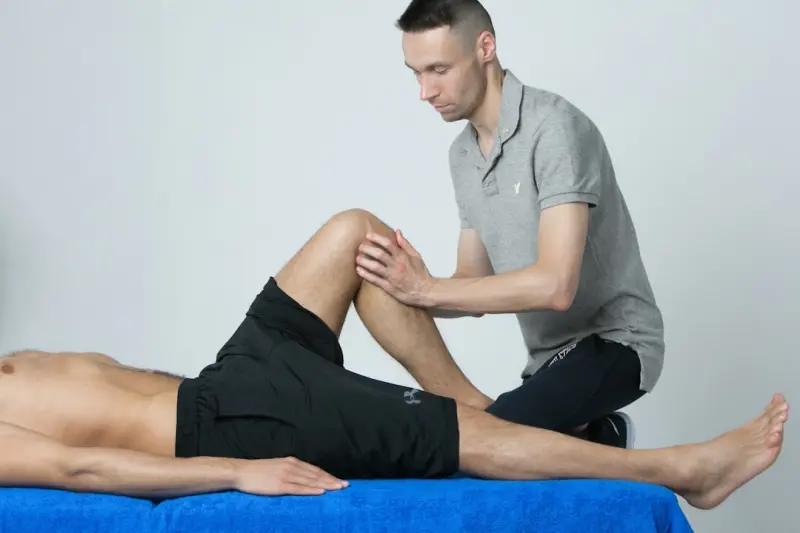
Movement as Medicine: Redesigning Physiotherapy for Hybrid Workplaces
Discover a fresh approach to physiotherapy that fits the hybrid work lifestyle, using micro‑movement breaks, wearable tech, and neuro‑plasticity to keep bod...Read More
0 Comments
Post Comment
You will need to Login or Register to comment on this post!