
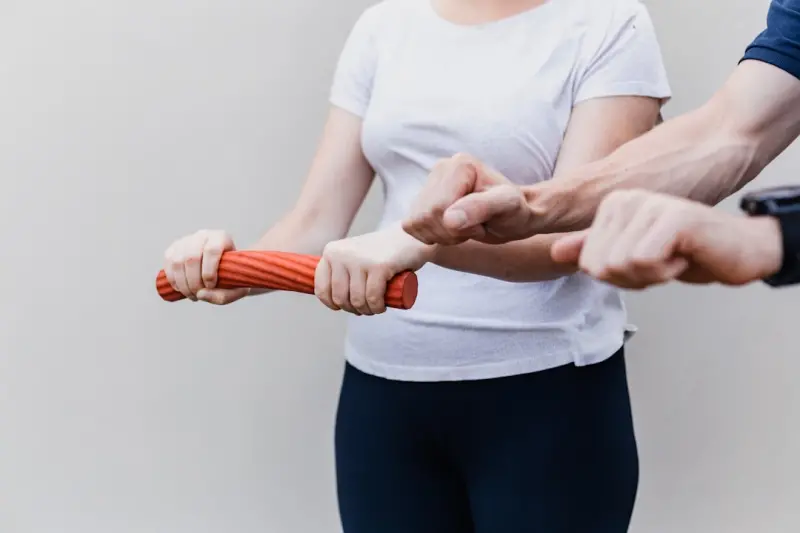
Why Long COVID Deserves a Dedicated Physiotherapy Playbook
When I first encountered a client whose days were defined by a lingering fog, pounding chest, and muscles that felt like they’d been through a marathon without ever leaving the couch, I realized the pandemic’s ripple effect was far from over. Long COVID isn’t just a lingering cough; it’s a multisystem challenge that reshapes how we move, breathe, and even think. As a physiotherapist, I’ve learned that the traditional “rest‑then‑rehab” script rarely fits. Instead, we need a dynamic, evidence‑based roadmap that respects the delicate balance between activity and recovery.
Decoding the Puzzle: What Long COVID Actually Is
Long COVID—often called post‑acute sequelae of SARS‑CoV‑2 infection (PASC)—can manifest weeks or months after the initial infection. Common threads include:
- Dyspnea (shortness of breath) that appears even with minimal exertion.
- Post‑exertional symptom exacerbation, where a brief walk triggers days of fatigue.
- Musculoskeletal aches, joint stiffness, and a sense of “muscle heaviness.”
- Cognitive fog, sometimes called “brain‑cloud,” affecting concentration and memory.
These symptoms intertwine, creating a feedback loop that can quickly spiral into inactivity, deconditioning, and a deeper sense of helplessness. The physiotherapy approach must therefore be holistic, integrating breath, movement, and energy management in a way that feels safe yet progressive.
The Core Philosophy: “Move Lightly, Breathe Deeply, Recover Wisely”
My guiding mantra for long COVID patients is simple: move lightly, breathe deeply, recover wisely. Each component supports the others:
- Movement—Gentle, graded activity that respects the body’s current limits while gently nudging it toward improvement.
- Breathing—Re‑training diaphragmatic function to improve oxygen delivery and reduce anxiety.
- Recovery—Strategic rest, nutrition, and sleep to allow the nervous system to reset.
It may sound straightforward, but the execution requires a nuanced, patient‑centered plan that evolves as the client’s capacity changes.
Breathing Re‑Education: The Unsung Hero of Rehab
One of the first things I assess is the client’s breathing pattern. Many long COVID patients fall into “chest‑dominant” breathing—a rapid, shallow technique that spikes the sympathetic nervous system and worsens fatigue. To counter this, I introduce diaphragmatic breathing drills paired with visual biofeedback (often a simple handheld spirometer). The goal is to re‑establish a slow, rhythmic inhale‑exhale that activates the parasympathetic response.
Research shows that purposeful breath work can improve oxygen saturation by up to 5% in post‑viral cohorts, translating into measurable gains in endurance. I also weave in how purposeful movement fuels mental clarity—a reminder that breath and cognition are tightly linked.
Mobility & Posture: Resetting the Body’s Foundations
Post‑viral inflammation often leads to altered posture—rounded shoulders, forward head, and a tucked pelvis. These compensations increase the work of breathing and exacerbate musculoskeletal discomfort. My assessment toolbox includes:
- Static postural photography to capture baseline alignment.
- Dynamic mobility screens (e.g., thoracic extension, hip flexor length).
- Neuromuscular activation tests for core stabilizers.
Interventions focus on gentle mobilizations (e.g., thoracic spine foam rolling, cat‑cow stretches) combined with proprioceptive cueing. The aim is to restore a neutral spine, which in turn reduces the effort required for each breath and allows the nervous system to “reset” more efficiently.
Strengthening Without Overloading: The Graded Approach
Traditional strength training—heavy loads, low reps—can be a disaster for someone prone to post‑exertional malaise. Instead, I champion a low‑load, high‑frequency model. Think 2–3 sets of 15–20 reps using bodyweight or resistance bands, performed in short 5‑minute bouts spread throughout the day.
Key strategies include:
- Isometric holds (e.g., wall sits) for 10–15 seconds to build endurance without taxing the cardiovascular system.
- Functional circuits that mimic daily activities—sitting‑to‑standing, step‑ups, and light kettlebell swings—executed at a conversational pace.
- Progressive overload by increasing time under tension rather than adding weight.
This method respects the patient’s energy envelope while still delivering the neuromuscular adaptations needed for long‑term resilience.
Energy Management: The Art of the “Micro‑Cycle”
One of the biggest pitfalls in rehab is the “all‑or‑nothing” mindset. Long COVID patients often feel compelled to push hard on good days, only to crash later. I introduce the concept of a micro‑cycle—a 24‑hour rhythm of activity and rest. The micro‑cycle includes:
- Morning activation: 5‑minute gentle stretch and breath routine.
- Mid‑day “move‑break”: 5‑minute walk or light band work.
- Afternoon recovery window: Guided relaxation or diaphragmatic breathing.
- Evening wind‑down: Soft mobility drills and a brief gratitude journal.
This structure mirrors natural circadian fluctuations, ensuring that the nervous system is never forced into a state of chronic arousal.
Technology as a Partner, Not a Replacement
Wearable sensors have become a game‑changer for monitoring exertion levels in real time. A simple heart‑rate variability (HRV) tracker can signal when the autonomic balance is shifting toward sympathetic dominance—an early warning that a planned activity might be too intense.
When I integrate technology, I keep it supportive rather than prescriptive. Clients log their HRV, step count, and perceived exertion in a shared spreadsheet, allowing us to adjust the micro‑cycle on the fly. This data‑driven feedback loop also opens doors for research collaborations, feeding the broader physiotherapy community with real‑world insights.
Home‑Based Strategies: Empowering Autonomy
Many long COVID patients can’t attend in‑person sessions daily. To bridge this gap, I provide a “rehab kit” that includes:
- Resistance bands of varying thickness.
- A small foam roller and a trigger point ball.
- A printed visual guide of breathing drills and mobility sequences.
- Access to a private video library (hosted on a secure portal) for guided sessions.
Clients are encouraged to log their sessions using a simple mobile app. This self‑reporting reinforces accountability and gives me tangible data for our next virtual check‑in.
Collaboration with the Wider Healthcare Team
Physiotherapy doesn’t exist in a vacuum. I maintain open lines of communication with primary care physicians, pulmonologists, and neuropsychologists. A shared care plan—often facilitated through a secure electronic health record—ensures that any medication changes, breathing therapies, or cognitive interventions are synchronized with the physiotherapy goals.
When appropriate, I refer patients for specialized services such as occupational therapy (for fine‑motor challenges) or speech‑language pathology (for dysphagia). This interdisciplinary approach maximizes the chances of a full functional return.
Future Trends: From Rhythm‑Driven Rehab to Virtual Reality
Innovation is already reshaping how we address long COVID. One exciting frontier is the integration of rhythm‑driven rehab sessions, where auditory cues guide movement tempo, helping patients maintain a steady pace without overexertion. Early pilots show improved adherence and a measurable reduction in perceived fatigue.
Virtual reality (VR) offers immersive environments that can distract from breathlessness while encouraging gentle movement. Imagine a patient navigating a serene forest, lifting virtual branches to practice overhead reach—all while their vitals are monitored in the background. While still in experimental phases, VR holds promise for making rehab feel less clinical and more engaging.
Putting It All Together: A Sample 4‑Week Blueprint
Below is a high‑level outline of how I structure the first month of physiotherapy for a typical long COVID client. Each week builds on the previous, with adjustments based on symptom feedback.
| Week | Focus | Key Activities |
|---|---|---|
| 1 | Assessment & Baseline | Breathing pattern audit, posture photos, HRV baseline, micro‑cycle education. |
| 2 | Breathing & Light Mobility | Diaphragmatic drills (5 min × 2 × day), thoracic foam roll (2 min × 2 × day), gentle hip flexor stretch. |
| 3 | Low‑Load Strength & Energy Mapping | Band rows (2 sets × 15 reps), wall sits (3 × 10 sec), HRV‑guided activity scaling. |
| 4 | Integrating Rhythm & Technology | 5‑minute rhythm‑driven walk, wearable HRV feedback, virtual reality breathing session (once). |
At the end of week 4, I reassess the metrics, adjust the micro‑cycle, and set new targets. The cycle repeats, gradually expanding intensity while always respecting the patient’s energy envelope.
Takeaway: A Compassionate, Data‑Informed Path Forward
Long COVID is a moving target, but with a blend of compassionate listening, evidence‑based techniques, and smart use of technology, physiotherapy can become a powerful catalyst for recovery. The journey isn’t about sprinting to a finish line; it’s about steady, purposeful steps that restore confidence, breath, and the joy of moving again.

Jessica Hall is a dynamic freelance writer based in the vibrant city of London, Ontario. As a dedicated single mom, she expertly juggles the demands of parenthood with her passion for storytelling, crafting compelling narratives that resonate with readers. With a background in retail, Jessica brings a unique perspective to her writing, infusing her work with insights drawn from her experiences
Related Posts
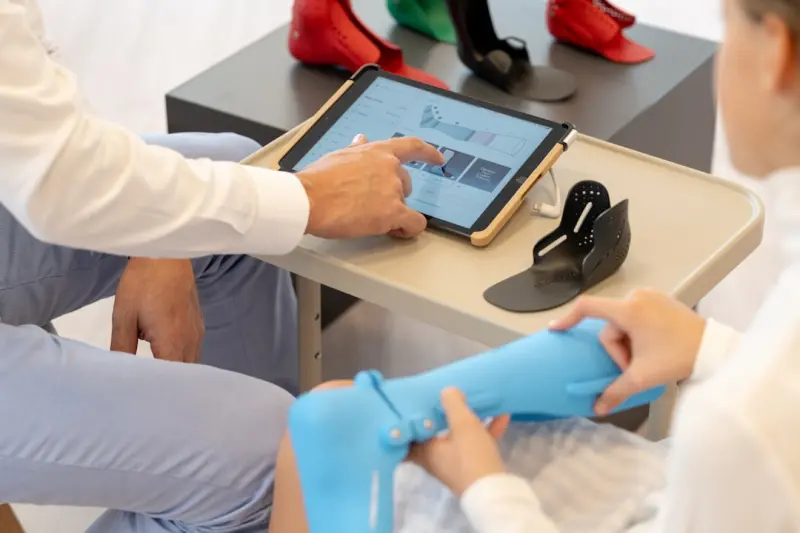
Beyond the Clinic: How Wearable Tech Is Revolutionizing Physiotherapy Prehab
Discover the power of wearable technology in physiotherapy prehab, from real‑time feedback to AIâ€... Read More

Beyond the Clinic: How AI, Wearables, and Nutrition Are Redefining Physiotherapy
Physiotherapy is evolving from reactive, clinic‑only care to a proactive, tech‑enabled partnersh... Read More
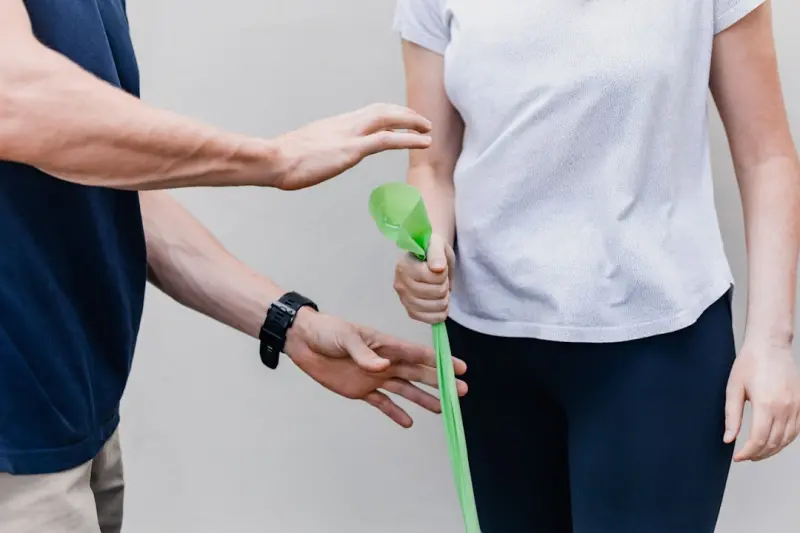
Micro‑Interventions: A Physiotherapy Playbook for Remote Workers
Learn how brief, evidence‑based micro‑interventions can combat digital fatigue, improve posture,... Read More
Top Posts
Perimenopause at Work: Turning the Change into a Competitive Edge
Perimenopause can affect focus, mood, and energy at work. This article explains the science behind the transition, identifies early signs, and offers practical ...Read More

Weight Loss Through Storytelling: Crafting a Narrative That Fuels Change
Learn how turning your weight‑loss journey into a narrative can replace fleeting willpower with lasting motivation, using storytelling techniques and practica...Read More
Living with Sleep Apnea: Real‑World Strategies for Everyday Life
A candid look at sleep apnea beyond the mask—how it shapes relationships, work life, travel, and mental wellbeing, with actionable steps you can start today....Read More
Beyond the Cloud: How Vaping Is Redefining Social Interaction
Vaping is evolving from a solitary habit into a vibrant social experience, influencing community rituals, sustainability discussions, and mindful wellness pract...Read More
0 Comments
Post Comment
You will need to Login or Register to comment on this post!