
Why Rhythm Matters More Than You Think
When a familiar melody drifts through a living room, it does more than evoke nostalgia; it ignites a cascade of neural activity that can sharpen cognition, steady gait, and lift spirits, especially for seniors who often face the twin challenges of isolation and age‑related decline. Scientific research increasingly shows that rhythmic auditory cues synchronize brainwave patterns, fostering connections between the auditory cortex and motor regions, which in turn can improve coordination and reduce fall risk. By weaving music into daily routines, older adults tap into a natural, low‑cost therapeutic modality that respects their lived experiences while gently nudging the body toward healthier patterns.
The Neuroscience Behind the Beat
The aging brain retains a remarkable capacity for plasticity, particularly when stimulated by rhythmic sounds that engage the basal ganglia, a region essential for movement initiation and procedural memory. When seniors tap their feet or clap along, they activate sensorimotor loops that reinforce pathways weakened by sedentary habits or mild neurodegeneration. Moreover, the entrainment effect—where the body aligns its internal rhythms with external beats—has been linked to improved gait symmetry and faster reaction times, offering a protective buffer against the common fear of falls that shadows many golden‑age journeys.
Walking to the Pulse: Simple Steps for Daily Balance
Imagine a brisk walk down the hallway set to a steady 90‑beat‑per‑minute playlist of classic swing or gentle folk; the tempo serves as an invisible metronome, prompting consistent stride length and rhythmical foot placement without the need for a treadmill or therapist’s watchful eye. This technique, often referred to as “music‑guided walking,” leverages the brain’s natural propensity to match movement with sound, allowing seniors to practice balance in a joyful, self‑paced environment. Over weeks of consistent practice, many report steadier steps, reduced wobbliness, and a newfound confidence that extends to stairs, shopping aisles, and community outings.
Singing Memory: The Power of Familiar Tunes
Lyrics etched into the mind from decades past act as mnemonic anchors, pulling forgotten words, dates, and personal stories back into conscious awareness when sung aloud. Group sing‑alongs or solitary humming sessions stimulate the hippocampus, the memory hub that often shrinks with age, by pairing linguistic recall with melodic contours that are easier for the brain to retrieve. Seniors who regularly engage in singing find themselves recalling family anecdotes, medication schedules, and even the names of new neighbors more readily, turning a simple chorus into a potent cognitive exercise.
Community Choirs: Social Connection Through Shared Harmony
Beyond the physiological benefits, participating in a community choir fulfills a deep social hunger, offering regular gatherings where seniors can forge friendships, share laughter, and experience collective achievement. The act of harmonizing with others releases oxytocin and endorphins, hormones that combat loneliness, anxiety, and depressive symptoms that often accompany retirement or the loss of loved ones. In many towns, senior‑focused choirs have become vibrant hubs where members celebrate milestones, exchange recipes, and support each other through health challenges, illustrating how music can be both a therapeutic and a social lifeline.
Drum Circles and Proprioceptive Play
Engaging the hands and arms in coordinated drum patterns provides a tactile, rhythmic workout that sharpens proprioception—the body’s sense of position and movement—crucial for preventing trips and slips. Simple hand‑drum circles, where participants echo each other's beats, create a safe space for exploring timing, force, and spatial awareness while also boosting upper‑body strength. Research indicates that these rhythmic exercises improve vestibular function and balance confidence, making drum circles a playful yet scientifically grounded addition to any senior wellness program.
Tech‑Enabled Rhythm: Apps Tailored for Seniors
Modern technology offers user‑friendly apps that generate customizable playlists, track walking cadence, and even provide visual metronomes for those with hearing impairments. Devices such as smart watches can vibrate in sync with chosen beats, offering a discreet cue for posture correction or step timing without relying on audible cues alone. By selecting platforms that prioritize large icons, simple navigation, and voice‑over support, seniors can seamlessly integrate rhythmic training into their daily tech use, turning a smartphone into a personal health coach.
Playful Movement Meets Musical Rhythm
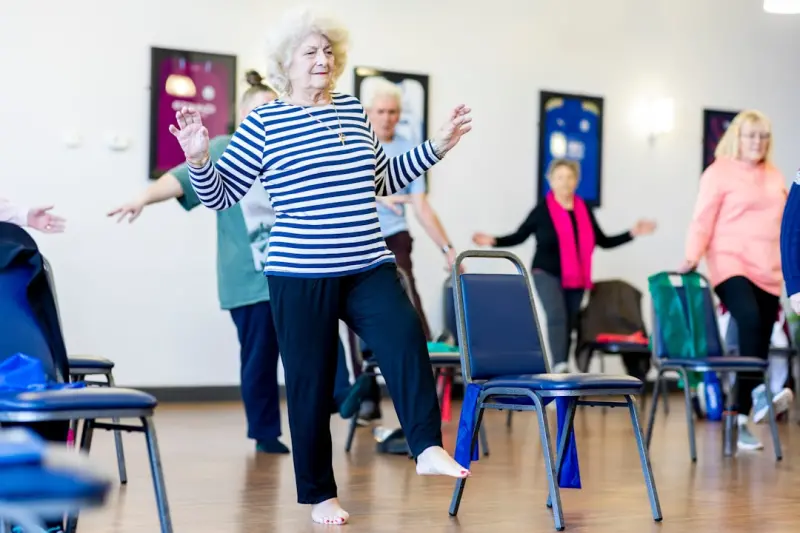
For those who enjoy a more dynamic approach, pairing the principles of playful movement with rhythmic music creates a synergistic routine that sparks both joy and physiological benefit. Imagine a light‑hearted dance class where participants mimic simple steps to a favorite tune, alternating between seated and standing movements that target flexibility, circulation, and balance. This blend of fun and function not only burns calories but also reinforces motor patterns that translate to everyday activities, from reaching for a grocery bag to climbing a few stairs.
Mental Gardens of Sound: Cultivating Resilience Through Music
Just as a garden thrives with regular care, the mind flourishes when nourished by melodic experiences that encourage mindfulness and emotional regulation. By integrating short, purposeful listening sessions into the day—perhaps a morning sunrise playlist or an evening lullaby—seniors can create mental “soundscapes” that act as buffers against stress and cognitive overload. The practice aligns closely with the concepts explored in mental garden strategies, reinforcing a habit loop where auditory pleasure leads to calm, focus, and a resilient outlook.
Taking the First Step Toward a Rhythm‑Rich Life
Incorporating music and rhythm into senior health is not a lofty, abstract ideal but a practical, accessible strategy that can be tailored to any ability level, cultural background, or personal taste. Whether it’s a daily walk set to a beloved big‑band tune, a weekly choir rehearsal, or a simple drum‑beat exercise before bedtime, each rhythmic choice plants a seed of improved balance, sharper memory, and brighter mood. By embracing the innate human love of music, seniors can rewrite their health narratives, turning everyday moments into harmonious opportunities for growth, connection, and lasting vitality.
Sarah Gray is a proud Canadian who calls Brampton home, where she lives with her husband, Paul. A passionate home cook and gifted storyteller, Sarah loves creating delicious recipes and sharing stories inspired by everyday life, family, and cherished experiences. When she isn't experimenting in the kitchen, she's busy crafting engaging content that reflects her warmth, creativity, and love of connection. Above all, Sarah treasures time spent with her grandchildren, embracing every opportunity to create lasting memories with the people she loves most.
Related Posts

Remote Health Coaching: A Game‑Changer for Senior Wellness
Remote health coaching offers seniors personalized, tech‑enabled guidance that improves mobility, ... Read More
Why Lifelong Curiosity Is the Secret Sauce for Senior Well‑Being
Becky Putman shares how embracing curiosity can transform seniors' mental, physical, and emotional h... Read More

Why Staying Tech‑Savvy Is the New Fountain of Youth for Seniors
Digital fluency offers seniors a powerful health boost, from sharper cognition to stronger social ti... Read More
Top Posts
Turning Insomnia into a Nighttime Narrative: My Creative Sleep Ritual
I transformed restless nights into a soothing bedtime ritual by writing short stories, setting digital boundaries, and adding gentle movement—learn how this s...Read More

When Data Meets Diet: Real‑Time Analytics for Eating Disorder Recovery
Discover how integrating real‑time biofeedback, thoughtfully designed environments, and personalized data models can create a compassionate, tech‑enabled pa...Read More
When the Night Won’t Cooperate: Rewiring Insomnia with Sensory Reset
A step‑by‑step guide to mapping your night‑time sensory landscape, adjusting light, sound, temperature, and using simple data tools to transform restless ...Read More

Trending Body Detox: Kelly Reynolds’ Fresh Take on Resetting Your System
Kelly Reynolds shares a modern, science‑backed detox roadmap, blending nutrition, movement, and mindset to cleanse and energize your body in just a week....Read More
0 Comments
Post Comment
You will need to Login or Register to comment on this post!