
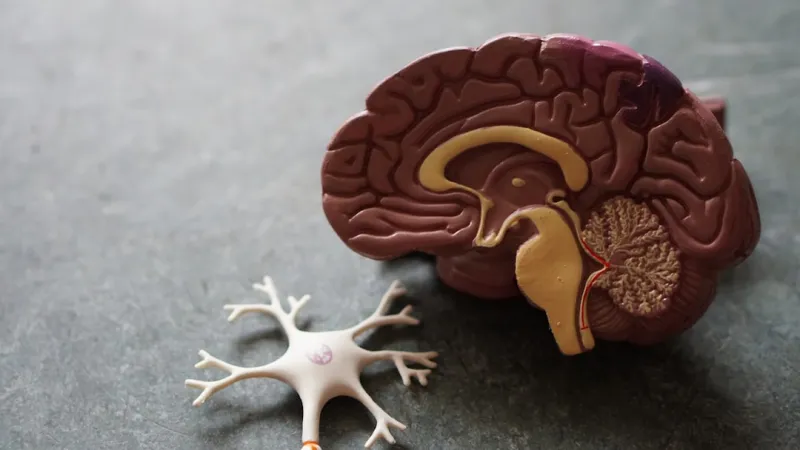
Why Brain Health Became My Personal Mission
Ever since I first noticed the subtle fog that crept in during a hectic week of client meetings, I realized my brain needed more than occasional caffeine fixes to stay sharp; it demanded a consistent, compassionate strategy that honored both my mind and my body. I began tracking my energy levels, mood swings, and memory lapses, discovering that the moments I felt most alive coincided with days I ate mindfully, moved intentionally, and slept without interruption. That pattern sparked a curiosity that evolved into a full‑blown investigation of how lifestyle choices sculpt our neural pathways, and it reminded me that brain health isn’t a luxury—it’s the foundation for every ambition, relationship, and creative spark we cherish.
Seeing the Brain Through a Holistic Lens
Traditional advice often isolates nutrition, exercise, or meditation as standalone remedies, but my experience taught me that true cognitive vitality blossoms at the intersection of body, mind, and environment, a concept I explore further in Holistic Strategies to Boost Brain Health and Cognitive Vitality. By weaving together nutrient‑dense foods, regular movement, stress‑reduction practices, and purposeful social connections, we create a resilient neural ecosystem that can adapt to life’s inevitable pressures. This integrative view also honors the subtle feedback loops—like how a calm gut can soothe anxiety, which in turn sharpens focus—underscoring the importance of treating the brain as part of a larger, interconnected system rather than an isolated organ.
Nourishing the Brain from the Inside Out
Food is the most direct messenger to our neurons, delivering the building blocks of neurotransmitters, membrane integrity, and energy metabolism, so I curated a palette rich in omega‑3 fatty acids, antioxidant‑laden berries, leafy greens, and fermented delights that feed both mind and microbiome. Each morning I blend a smoothie of spinach, blueberries, and chia seeds, knowing that the flavonoids and lutein will cross the blood‑brain barrier to combat oxidative stress, while the probiotic cultures in kefir support the gut‑brain axis—a pathway so influential that I often reference Nurturing Your Inner Garden: A Holistic Journey to Gut Health when discussing digestive health’s impact on cognition. By treating meals as medicine, I’ve witnessed clearer thinking, steadier mood, and a reduction in the brain‑fog that once plagued my afternoons.
Movement, Neuroplasticity, and the Power of Play
Physical activity does more than pump blood; it triggers the release of brain‑derived neurotrophic factor (BDNF), a protein that fuels neuroplasticity, allowing the brain to forge new connections and repair old ones, which is why I schedule at least 30 minutes of varied movement each day, alternating between brisk walks, yoga flow, and strength training circuits that challenge coordination. When I dance to my favorite playlists, the rhythmic beats synchronize motor patterns, enhancing memory consolidation, while interval training spikes heart rate, prompting vascular growth that supplies neurons with fresh oxygen and nutrients. This blend of cardio, strength, and playful movement has not only improved my physical stamina but also sharpened my ability to learn new skills, solve problems faster, and maintain emotional equilibrium during stressful deadlines.
Sleep, Stress Management, and Mental Calm
Quality sleep is the brain’s nightly housekeeping crew, clearing metabolic waste through the glymphatic system and solidifying memories, so I treat bedtime like a sacred ritual—dim lights an hour before sleep, a warm herbal tea, and a brief meditation that quiets the mind; the latter practice draws inspiration from Finding Calm in the Chaos: A Holistic Path to Mental Wellness, where breathwork and gentle visualization are emphasized as tools to lower cortisol. On days when stress threatens to infiltrate my thoughts, I employ a three‑step reset: a 5‑minute grounding exercise, a short walk outdoors to absorb natural light, and a gratitude journal entry that redirects focus to positive experiences. These simple yet deliberate actions have dramatically reduced my nighttime awakenings and boosted my ability to retain information throughout the day.
The Role of Social Connection and Purposeful Living
Human beings are wired for connection, and meaningful relationships act as cognitive fertilizers that stimulate the release of oxytocin, a hormone that not only enhances bonding but also supports hippocampal function, the region responsible for memory formation; therefore, I prioritize weekly coffee chats with friends, collaborative brainstorming sessions with fellow creators, and volunteering at community events that align with my values. Engaging in purposeful activities provides a sense of direction that combats the aimlessness often linked to cognitive decline, and it fuels motivation to maintain healthy habits. By weaving a tapestry of supportive relationships and mission‑driven projects, I’ve found that my mental clarity sharpens, my creativity flourishes, and my overall sense of well‑being deepens, reinforcing the idea that the brain thrives in a socially rich environment.
My Daily Brain‑Boosting Rituals
To translate these insights into sustainable habits, I built a concise daily checklist that keeps my brain nourished, active, and protected without overwhelming my schedule:
- Morning fuel: A smoothie with greens, berries, and omega‑3 rich chia seeds, followed by a 10‑minute mindfulness session.
- Midday movement: A brisk 20‑minute walk outside, focusing on deep breathing and sensory awareness.
- Hydration break: Two glasses of water infused with lemon to support cellular function.
- Afternoon brain snack: A handful of walnuts or dark chocolate (70% cacao) for flavonoids and healthy fats.
- Evening wind‑down: Light stretching, a gratitude journal entry, and a screen‑free period at least one hour before bed.
By adhering to this rhythm, I’ve cultivated a resilient mental landscape that adapts gracefully to life’s fluctuations, proving that consistent, small actions accumulate into profound cognitive benefits over time.

Sarah Gray is a proud Canadian who calls Brampton home, where she lives with her husband, Paul. A passionate home cook and gifted storyteller, Sarah loves creating delicious recipes and sharing stories inspired by everyday life, family, and cherished experiences. When she isn't experimenting in the kitchen, she's busy crafting engaging content that reflects her warmth, creativity, and love of connection. Above all, Sarah treasures time spent with her grandchildren, embracing every opportunity to create lasting memories with the people she loves most.
Related Posts

Designing Light and Sound: A New Blueprint for Brain Performance
A deep dive into how strategic lighting and curated soundscapes can transform workspaces into neuroâ... Read More
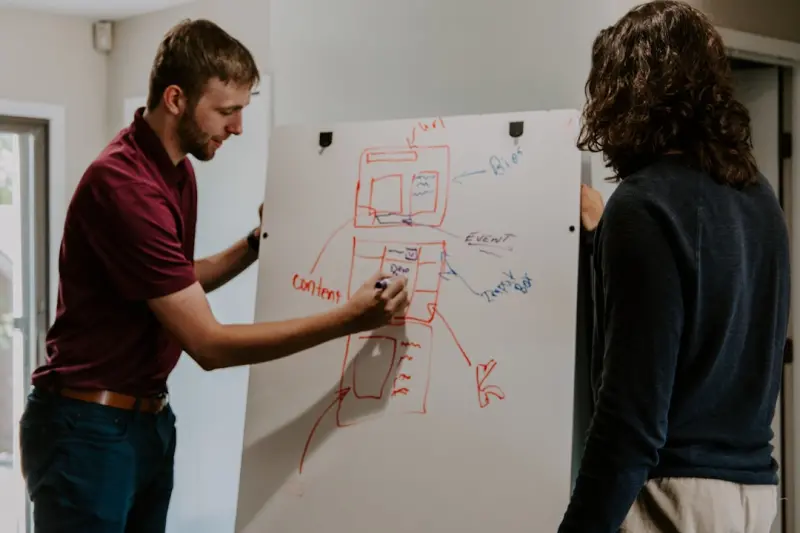
Neuro‑Hygiene for High‑Performance Thinkers: A Blueprint to Upgrade Your Brain
A tech‑savvy guide that frames brain health as system architecture, offering daily neuro‑hygiene... Read More
Neuroplasticity in Action: A Practical Blueprint for Skill‑Based Brain Health
Discover a step‑by‑step framework that uses purposeful skill learning to strengthen neural pathw... Read More
Top Posts

The Data‑Driven Playbook for Stable Blood Sugar in a Hyper‑Connected World
A tech‑centric guide that shows how continuous glucose monitoring, calendar integration, and simple environmental changes can turn blood sugar into a real‑t...Read More
Navigating the Day: Real‑World Strategies for Living Beyond Narcolepsy
A candid, first‑person guide revealing space hacks, nutrition tips, mindfulness routines, and support‑building strategies that help people with narcolepsy t...Read More
Navigating Brain Health: A Journey Through the Complexities of Mental Wellbeing
Maintaining good brain health is a lifelong journey that requires a comprehensive approach. Learn how to take control of your mental wellbeing and live a more f...Read More

Power Naps on Autopilot: Navigating Narcolepsy in the Modern Workplace
A deep dive into actionable strategies for professionals with narcolepsy, covering micro‑naps, tech allies, environmental cues, and communication tips to turn...Read More
0 Comments
Post Comment
You will need to Login or Register to comment on this post!