
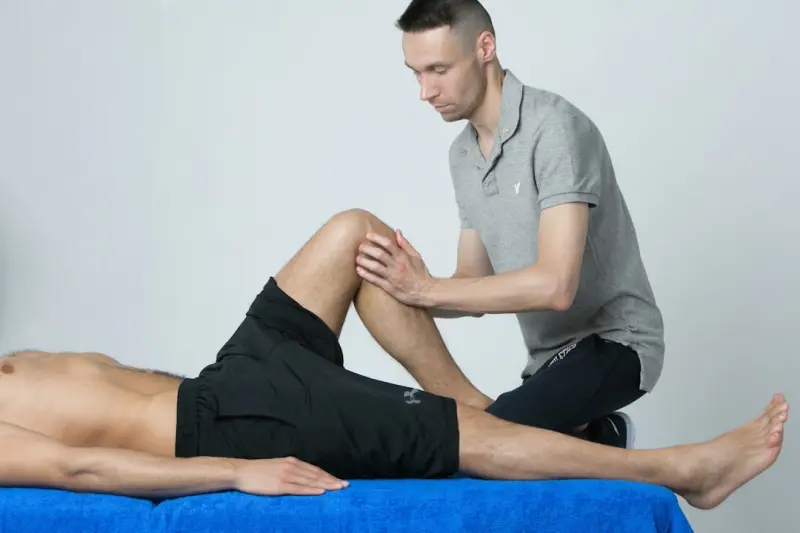
Why Your Living Space Matters More Than You Think
When most people think about physiotherapy, the image that pops up is a bright clinic, a therapist in scrubs, and a series of prescribed exercises on a mat. Yet, the truth is far more expansive. The rooms you spend the most time in—your bedroom, kitchen, office nook, even the hallway—hold a silent but profound influence over how quickly and completely your body heals. I’ve spent years guiding patients through the “in‑clinic” phase, only to watch many stumble once they return home. The missing piece? A home environment that doesn’t just accommodate recovery but actively accelerates it.
From Passive Space to Active Ally
Think of your home as a second therapist. It can cue movement, remind you of posture, and even provide subtle sensory input that supports tissue repair. The transition from passive to active begins with awareness. If you notice yourself slumping into the couch for hours, or you’re constantly reaching for the fridge from an awkward angle, you’re giving your musculoskeletal system a silent prescription for strain. The goal is to turn those unconscious habits into intentional, low‑effort micro‑adjustments that compound into real progress.
Designing for Movement Hygiene
Movement hygiene is the practice of embedding gentle, restorative motions into the fabric of daily life. It’s not about adding a 30‑minute workout on top of everything else; it’s about sprinkling tiny, purposeful motions throughout the day. Here are three foundational pillars:
- Spatial Layout: Arrange furniture so that you have to stand, stretch, or pivot naturally. A coffee table that’s too low invites you to bend improperly—raise it or replace it with a higher, open‑shelf surface.
- Supportive Surfaces: Use ergonomic mats, cushions, or even a firm pillow to keep spinal alignment while you’re reading or working on a laptop.
- Visual Cues: Place sticky notes, color‑coded floor mats, or even a decorative wall art piece that reminds you to “reset” your posture every 20 minutes.
These changes may sound minor, but research shows that consistent postural corrections can reduce low‑back pain incidence by up to 30% over six months.
Micro‑Movement Mastery in the Home
If you’re familiar with the concept of micro‑movement mastery, you already know the power of turning everyday actions into a physiotherapy power‑up. The home is the perfect arena for this practice. For example, while waiting for the kettle to boil, perform a series of ankle circles or heel‑to‑toe rolls. When you’re brushing your teeth, practice gentle neck rotations. These “in‑the‑moment” movements reinforce neural pathways, improve circulation, and keep joints lubricated without requiring a dedicated exercise block.
Integrating Wearables for Real‑Time Feedback
Technology has finally caught up with the needs of home‑based physiotherapy. Modern wearables can track everything from joint angles to muscle activation patterns. By syncing these devices with a simple app, you receive instant feedback—an alert that you’ve been slouching for too long, or a gentle nudge to perform a hamstring stretch before you sit down for dinner. This seamless loop of data and action mirrors the principles described in When Sensors Meet Symptoms, but applied to everyday biomechanics instead of autoimmune flare‑ups.
Imagine a smartwatch that vibrates every 45 minutes, prompting a “reset” routine: shoulder rolls, spinal elongation, and a few deep breaths. Over a week, those short bursts add up to a cumulative therapeutic dose that rivals a formal physiotherapy session.
Lighting, Color, and the Healing Palette
Our bodies are exquisitely responsive to light. Seasonal changes in daylight exposure can influence hormone production, inflammation levels, and even pain perception. The article on Seasonal Light highlights how natural light acts as a hidden health booster; the same principle applies to physiotherapy. Position your work desk near a window to soak up morning sunlight, or install full‑spectrum bulbs in your workout corner. Warm hues can promote relaxation of tense muscles, while cooler tones stimulate alertness and encourage more dynamic movement.
Nutrition Stations: Fueling Recovery at Home
Physiotherapy isn’t solely about movement; it’s also about the fuel that powers tissue repair. Set up a “recovery kitchen” corner stocked with anti‑inflammatory foods: turmeric‑spiced smoothies, omega‑rich nuts, and collagen‑boosting broths. Even the act of preparing these foods can be therapeutic—chopping vegetables engages fine motor skills, while stirring a pot encourages gentle core activation.
Pair this with a hydration reminder (a water bottle with time markers) to ensure your muscles stay supple. Proper nutrition and hydration accelerate collagen synthesis, reduce swelling, and improve overall energy levels, making each physiotherapy session more effective.
Creating a Dedicated “Recovery Zone”
A recovery zone is a small, intentional space reserved for stretching, foam‑rolling, and mindfulness. It doesn’t need to be a full‑blown gym; a yoga mat, a portable foam roller, and a soothing playlist are enough. The key is consistency: step into this zone at the same time each day—perhaps after work or before bedtime—to signal to your nervous system that it’s time to heal.
Include a small shelf with tools: resistance bands, a lacrosse ball, and a set of ankle weights. Keep a journal nearby to log pain levels, range of motion, and any breakthroughs. This tangible record helps you and your therapist track progress without the need for frequent clinic visits.
Social Support and Accountability
Recovery isn’t a solo journey. Invite a family member or roommate to join you for a brief “movement break” every hour. Not only does this create accountability, it also strengthens relational bonds—something many patients overlook in the clinical setting. You can even turn it into a friendly competition: who can hold a plank the longest during a 5‑minute break? The shared laughter and mutual encouragement turn physiotherapy into a communal experience, enhancing adherence and motivation.
From Theory to Practice: A 7‑Day Home Activation Plan
To illustrate how these concepts blend together, here’s a simple 7‑day plan that you can start tomorrow. Adjust timings to suit your schedule, but aim for three core components each day: movement hygiene, wearable prompts, and recovery zone work.
- Day 1 – Spatial Reset: Rearrange your living room so that you have to stand up to reach the TV remote. Set a wearable reminder to do shoulder rolls when you notice you’re slouching.
- Day 2 – Light Boost: Open curtains first thing in the morning. Add a 15‑minute sunrise yoga sequence in your recovery zone.
- Day 3 – Micro‑Movement Integration: While cooking, perform ankle circles. Use a kitchen timer as a cue for neck stretches.
- Day 4 – Nutrition Focus: Prepare a turmeric latte post‑workout. Log your meal in the recovery journal.
- Day 5 – Social Stretch: Invite a friend for a 10‑minute walk, incorporating quad squeezes at each stop.
- Day 6 – Wearable Deep Dive: Review the week’s data, noting patterns of prolonged sitting and adjust your schedule accordingly.
- Day 7 – Reflection & Planning: Spend 20 minutes in your recovery zone meditating on progress and setting goals for the next week.
By the end of the week, you’ll likely notice a subtle shift: less stiffness, improved mood, and a sense of empowerment over your own healing journey.
Closing Thoughts: Empowerment Starts at Home
Physiotherapy is often portrayed as a series of appointments and exercises that happen outside the comfort of your home. In reality, the most powerful therapist is the environment you curate around yourself. By consciously designing spaces, integrating wearables, harnessing natural light, and embedding micro‑movements into daily routines, you transform every corner of your house into a therapeutic ally.
The next time you step onto your living room floor, ask yourself: “What can this space do for my body today?” The answer, with a little intention, will be a healthier, more resilient you.

Related Posts

The Intersection of Physiotherapy and Mental Health: A Comprehensive Approach
Physiotherapy and mental health are closely linked. A comprehensive approach to physiotherapy consid... Read More

Anticipatory Rehabilitation: Turning Data into Movement Freedom
Physiotherapy is evolving into anticipatory rehabilitation, using wearables and data analytics to pr... Read More
AI‑Powered Physiotherapy: Tailoring Treatment to Your Body’s Signals
AI‑powered physiotherapy blends wearable sensors, real‑time analytics, and therapist expertise t... Read More
Top Posts

When Ambition Feeds the Beast: Eating Disorders in High‑Pressure Workplaces
A deep dive into how relentless workplace pressure fuels eating disorders, with practical steps for leaders to foster supportive, balanced, and sustainable work...Read More
Micro-Periodization: A New Playbook for Blood Sugar Stability
Learn how aligning meal timing with daily cognitive demands, ambient lighting, and real‑time physiological data can smooth glucose spikes and crashes, boostin...Read More

Harvesting Health: How Community Gardens Revitalize Seniors’ Bodies, Minds, and Social Lives
A senior’s garden is more than a hobby—it’s a holistic health tool. Learn how community gardening enhances mobility, cognition, nutrition, and social bond...Read More

Beyond the Stethoscope: Why Women’s Heart Health Needs a Whole‑New Conversation
Heart disease remains the leading cause of death for women, yet symptoms and risk factors often go unnoticed. This article uncovers why standard cardiac assessm...Read More
0 Comments
Post Comment
You will need to Login or Register to comment on this post!