
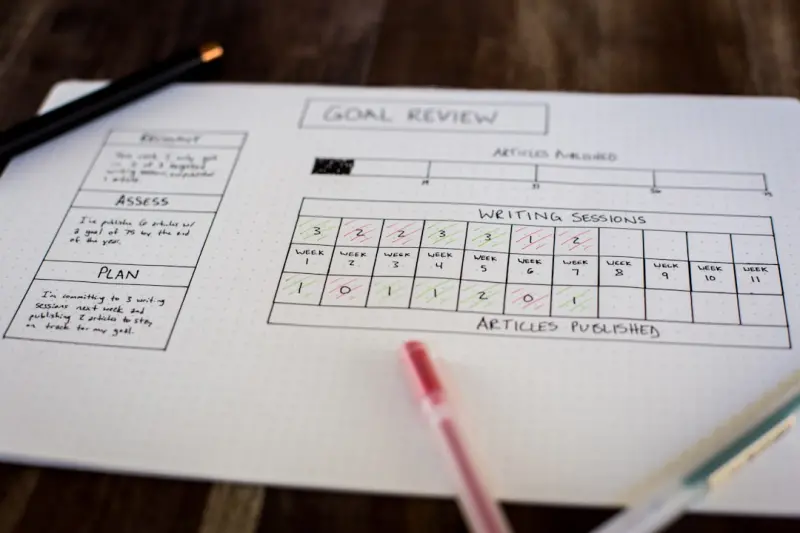
When the conversation around glucose regulation circles back to “low‑carb” or “high‑protein,” the narrative often misses a subtler lever: when you eat, not just what you eat. Over the past few years, data from wearables, continuous glucose monitors (CGMs), and even office lighting have revealed a pattern that mirrors the rhythm of our daily responsibilities. By aligning meal timing with the natural ebb and flow of cognitive load, stress hormones, and ambient cues, you can tame spikes and crashes without overhauling your pantry.
Why Timing Trumps Tactics
Traditional guidance treats blood sugar like a thermostat that you set and forget: choose the right fuel, and the engine runs smoothly. In reality, the body’s glucose engine is more like a hybrid that constantly switches between battery power and fuel injection, depending on the demands placed on it. A high‑intensity project deadline, a long video conference, or a quiet afternoon of data analysis each trigger distinct hormonal cascades that influence how insulin works.
When you consume carbs during a period of heightened hormonal activity, the body’s ability to shuttle glucose into cells is compromised, leading to a spike followed by a crash. Conversely, eating a balanced snack when the body’s hormonal milieu is calm can result in a gentle rise that fuels sustained focus.
The Three Pillars of Temporal Glucose Management
- Rhythmic Energy Demand Mapping – Chart the peaks and troughs of mental and physical output across a typical workday.
- Ambient Cue Calibration – Use lighting, temperature, and background noise as indirect signals to your metabolic system.
- Physiological Feedback Loops – Leverage CGM data or heart‑rate variability (HRV) trends to fine‑tune meal timing in real time.
1. Rhythmic Energy Demand Mapping
Begin by observing your own work rhythm for a week. Instead of noting meetings, log the type of cognitive demand:
- Creative synthesis – brainstorming, design thinking, strategic planning.
- Analytical deep‑dive – data modeling, code debugging, financial forecasting.
- Administrative flow – email triage, scheduling, routine reporting.
Most people experience a morning surge of creative synthesis, a mid‑day dip where analytical work dominates, and an early‑evening period of administrative flow. When you align carbohydrate intake with the creative surge—a time when cortisol levels are naturally higher—you give the body a quick‑acting fuel that the heightened cortisol can handle without overwhelming insulin.
During the analytical deep‑dive, prioritize low‑glycemic foods paired with protein and healthy fats. This combination slows glucose absorption, providing a steady stream of energy that supports sustained concentration without triggering sharp insulin responses.
2. Ambient Cue Calibration
Our surroundings send silent messages to the endocrine system. Bright, blue‑rich light in the morning signals alertness, while warmer tones in the evening cue relaxation. By synchronizing lighting changes with meal timing, you can amplify the metabolic impact of your food.
For example, schedule a light, carbohydrate‑rich snack right after you switch from cool, blue lighting (often used for focus) to neutral lighting (used for transition). This cue transition helps the body interpret the snack as a “reset” fuel, smoothing the glucose curve.
Temperature also plays a role. Slightly cooler environments (around 68°F/20°C) during high‑intensity tasks can modestly boost metabolic rate, allowing carbohydrates to be processed more efficiently. Conversely, a gentle rise in ambient temperature during a low‑intensity period can encourage the body to rely more on stored fat, reducing the need for an immediate glucose surge.
3. Physiological Feedback Loops
Wearable tech has moved beyond step counts. Modern CGMs provide real‑time glucose traces, while HRV monitors reveal autonomic balance. By overlaying these data streams, you can see how a particular snack impacts you in the moment.
If you notice a consistent 30‑minute lag between a coffee break and a glucose dip, you might schedule a small protein‑rich bite 15 minutes before the coffee to blunt the dip. Conversely, a sudden surge after a meeting suggests that the meeting’s stress hormone release is interfering with insulin sensitivity; a pre‑meeting low‑glycemic snack could mitigate that effect.
For those without CGMs, a simpler proxy is to track post‑meal energy levels and mood. Use a spreadsheet or a note‑taking app to log the time of each meal, its macronutrient composition, and a 1‑10 rating of focus and fatigue 60 minutes later. Patterns will emerge that guide future timing decisions.
Case Study: The Remote Analyst
Jordan, a data analyst who works from a home office, struggled with mid‑day crashes despite eating “healthy.” By mapping his daily rhythm, he discovered that his most intensive modeling sessions occurred between 10 am and 12 pm, a period marked by a natural cortisol peak.
He shifted his carbohydrate intake from a 9 am oatmeal bowl to a 10:30 am snack of Greek yogurt with berries. He also dimmed his office lighting slightly after 11 am, signaling a transition to analytical mode. Over two weeks, his CGM data showed a 20% reduction in post‑snack spikes and a smoother overall glucose curve. His self‑reported focus scores rose from an average of 6 to 8, and he felt less “foggy” in the afternoon.
Integrating the Approach with Existing Strategies
Temporal glucose management is not a stand‑alone diet; it complements portion control, macro balance, and regular movement. Think of it as the conductor that tells the orchestra when to play each instrument.
For readers who already explore how technology shapes eating habits, how technology shapes our eating patterns offers a deeper dive into the digital side of nutrition. If you’re interested in leveraging physiological data for broader wellbeing, physiological feedback for stress control provides a useful framework that can be adapted beyond gender‑specific contexts.
Practical Steps to Get Started
- Log Your Cognitive Load – Use a simple spreadsheet to note the type of work you’re doing in hourly blocks.
- Identify Your Natural Peaks – Look for patterns over three to five days; most people have a morning creative surge and an afternoon analytical dip.
- Adjust Snack Timing – Shift carbohydrate‑rich snacks to align with your creative peak; favor protein‑fat combos during analytical periods.
- Sync Ambient Cues – Change lighting or temperature at the same time you adjust your snack to reinforce the metabolic signal.
- Monitor Feedback – If you have a CGM, review glucose trends after each adjustment. If not, use self‑rated focus scores.
- Iterate Weekly – Small tweaks—adding a handful of nuts, moving a coffee break—can fine‑tune the system.
Potential Pitfalls and How to Avoid Them
Over‑engineering the Schedule – It’s tempting to create a minute‑by‑minute plan, but flexibility is essential. Aim for broad windows (e.g., “mid‑morning” vs. “10:15 am”).
Ignoring Individual Variation – Hormonal responses differ by age, genetics, and health status. Your “peak” may not match the typical pattern; trust your data.
Relying Solely on Technology – Devices provide valuable signals, but they are not infallible. Combine tech insights with subjective feelings of energy and alertness.
Looking Ahead: The Next Frontier
As workplaces become increasingly hybrid, the line between “office” and “home” blurs. Future platforms may automatically adjust ambient lighting, suggest snack times, and even order meals based on real‑time glucose data. Until that day arrives, the manual approach outlined here offers a tangible way to bring physiological intelligence into daily work life.
By treating time as a nutrient, you give your body the context it needs to process food efficiently. The result isn’t just steadier glucose; it’s sharper focus, fewer mood swings, and a more resilient metabolism ready for whatever project lands on your desk next.

William Roy is a freelance writer originally from Montreal who moved to Ottawa with his wife of 50 years to be closer to their grandkids. Alongside his writing, William has a passion for fishing.
Related Posts

Rewriting Your Blood‑Sugar Narrative: Micro‑Habits, Seasonal Foods, and Energy Equity at Work
Learn to transform blood‑sugar management into a powerful story of steady energy at work, using ch... Read More
Glucose‑Guided Productivity: Turning Blood Sugar Swings into Strategic Wins
Discover how treating blood‑glucose as a performance metric can sharpen focus, improve decision‑... Read More
Balancing Blood Sugar Naturally: A Personal Blueprint
Learn how to stabilize glucose naturally through mindful meal timing, smart food combos, stress redu... Read More
Top Posts

Immersive Physiotherapy: How VR Is Redefining Rehab for Real‑World Recovery
Virtual reality is turning physiotherapy into an engaging, data‑rich experience that bridges the clinic‑home gap, accelerates neuro‑plasticity, and empowe...Read More

Nourish to Thrive: A Holistic Nutrition Reset for Busy Lives
A fresh, holistic guide to fueling your body amid a hectic schedule—learn how to balance macros, support gut health, and make sustainable food choices that ke...Read More

Sleep Apnea on the Road: Managing the Hidden Health Hazard While You Travel
Discover practical strategies for managing sleep apnea while traveling, from portable CPAP devices and ambient sound solutions to leveraging health‑insurance ...Read More

When Sleep Becomes a Superpower: Rethinking Narcolepsy in a Hyperconnected World
Discover how to turn narcolepsy’s unique sleep patterns into creative and professional advantages, using data‑driven insights, tech tools, and playful resil...Read More
0 Comments
Post Comment
You will need to Login or Register to comment on this post!