
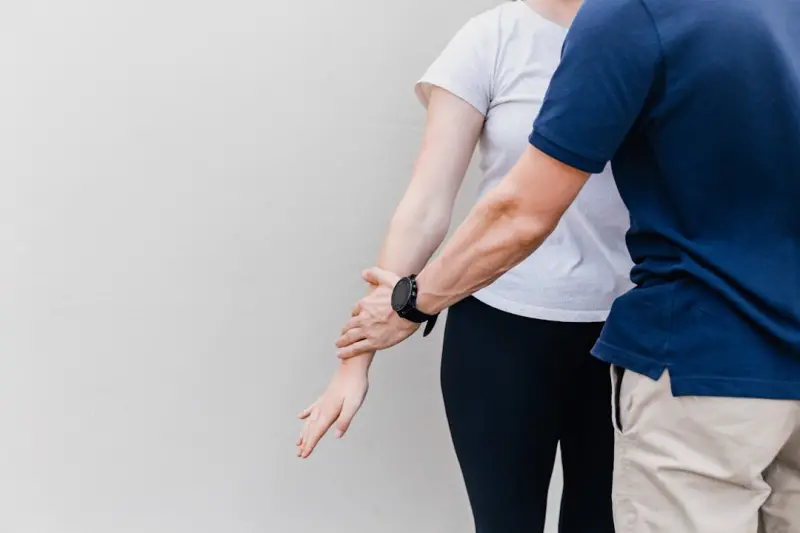
Why AI Is the New Coach in Physiotherapy
When I first walked into a traditional physiotherapy clinic, I felt the familiar mix of hope and uncertainty. The room smelled of disinfectant, the wall was lined with generic exercise charts, and the therapist’s hands were the primary diagnostic tool. Fast forward a few years, and the same space now hums with subtle sensors, real‑time data streams, and an algorithm that learns from each tiny movement you make. This isn’t sci‑fi; it’s the biofeedback‑driven physiotherapy wave that’s turning the profession on its head.
From One‑Size‑Fits‑All to One‑Fit‑All
The old model of physiotherapy assumed that a set of standardized exercises could address most musculoskeletal complaints. While that approach works for simple sprains, it falls short for complex, chronic conditions where pain pathways, neural activation, and individual biomechanics intertwine. AI changes the equation by turning every session into a personalized data set. Wearable inertial measurement units (IMUs), pressure‑sensing insoles, and even smartphone cameras feed a cloud‑based engine that maps your movement patterns with millimetric precision. The result? A treatment plan that evolves as your body heals, rather than a static “do this three times a day” script.
How the Technology Works (Without the Jargon)
Imagine you’re doing a squat under the watchful eye of a therapist. In a traditional setting, they might correct your knee alignment verbally. In an AI‑enhanced session, a series of tiny sensors attached to your shins and lower back transmit data at 100 Hz to a secure server. The algorithm compares each repetition against a database of millions of successful squats, flagging deviations that could lead to injury. It then offers immediate, visual feedback on a tablet: a green line for optimal depth, a red flash where the knee caves inward. You adjust in real time, reinforcing proper mechanics before bad habits cement themselves.
Bridging the Gap Between Clinic and Home
One of the biggest frustrations for busy professionals is the logistical dance of scheduling appointments, traveling to the clinic, and squeezing exercises into a packed day. AI‑driven platforms dissolve that friction. After an initial in‑person assessment, the therapist uploads a custom program to your phone. Your device tracks compliance, logs pain scores, and automatically tweaks intensity based on your reported fatigue. If you miss a session, the system sends a gentle reminder with a short, targeted micro‑movement routine to keep you on track—think of it as the micro‑movement techniques you’ve heard about, but now with data‑backed precision.
Why Data Matters: The Science of Neuroplasticity
Physiotherapy isn’t just about muscles; it’s about rewiring the nervous system. When you repeat a movement incorrectly, your brain reinforces the wrong motor pattern. Conversely, correct repetitions trigger neuroplastic changes that cement healthy pathways. AI accelerates this process by delivering “error‑augmented” feedback: it exaggerates the visual cue for a misaligned joint, making the brain more likely to notice and correct it. Over weeks, these subtle nudges lead to lasting adaptations—fewer flare‑ups, quicker recovery, and a stronger sense of body ownership.
Integrating Lymphatic and Vascular Insights
Recovery isn’t isolated to joints and muscles. Recent research highlights the role of the lymphatic system in clearing metabolic waste after intense activity. By incorporating lymphatic health insights into the AI model, therapists can recommend gentle compression or specific movement sequences that promote drainage. The algorithm can even predict when a client’s post‑exercise swelling might indicate an underlying vascular issue, prompting a referral before a minor problem escalates.
Real‑World Success Stories
- Executive with Chronic Neck Pain: After six weeks of AI‑guided sessions, the client reported a 70% reduction in pain and eliminated reliance on daily analgesics.
- Remote Worker Recovering from ACL Reconstruction: Using a home‑based sensor kit, the patient progressed from assisted gait to full running in four months, a timeline usually seen in a supervised clinic environment.
- Senior Athlete Battling Tendinopathy: The AI identified a subtle pronation pattern that traditional assessment missed, allowing targeted foot‑strengthening drills that resolved the issue in eight weeks.
Addressing Common Concerns
“Will a machine replace my therapist?” The short answer: no. Think of AI as a magnifying glass that enhances the therapist’s expertise. It captures data the human eye can’t see, but the therapist still interprets the narrative, applies clinical judgment, and provides the empathetic connection that motivates patients.
“Is my data safe?” Reputable platforms encrypt all transmissions, store information on HIPAA‑compliant servers, and give patients full control over who accesses their records. Transparency dashboards let you see exactly what data is collected and how it’s used.
Getting Started: What You Need
- Baseline Assessment: A qualified physiotherapist conducts a thorough exam, calibrates sensors, and establishes your movement baseline.
- Device Setup: You receive a kit—usually a set of wearables and a tablet or smartphone app.
- Personalized Plan: The AI generates a week‑by‑week program, complete with video demonstrations and progress metrics.
- Feedback Loop: After each session, you log pain, fatigue, and any barriers. The algorithm refines the next day’s routine accordingly.
Future Directions: The Role of Augmented Reality
While we’re already seeing impressive outcomes with sensor‑based feedback, the next frontier is augmented reality (AR). Imagine wearing lightweight AR glasses that overlay a ghost image of your ideal movement onto your own body in real time. You’d see, for example, a perfectly aligned spine while you perform a deadlift, nudging you to adjust on the fly. This technology could make high‑level biomechanical coaching accessible to anyone, regardless of geography.
Conclusion: A Partnership, Not a Replacement
AI‑powered physiotherapy isn’t a gimmick; it’s a paradigm shift that respects the complexity of the human body while leveraging the precision of modern technology. By turning every movement into actionable data, we can tailor treatment to the individual, accelerate recovery, and empower patients to become active participants in their healing journey. The future of physiotherapy is collaborative, data‑rich, and profoundly personal—just the way it should be.

Kelly Reynolds is a dynamic freelance writer hailing from the picturesque landscapes of Alberta. A master of the written word, she juggles her passion for storytelling with the exhilarating chaos of being a mother to five spirited children. With an impressive portfolio that spans various genres, Kelly captivates readers through her engaging blog posts and thought-provoking articles.
Related Posts
The Intersection of Physiotherapy and Mental Health: A Holistic Approach
As a physiotherapist, I've seen firsthand the impact of mental health on physical function. Learn ho... Read More
Wearable Tech Meets Physiotherapy: Crafting Data‑Driven Rehab Plans
Explore the rise of wearable technology in physiotherapy, from real‑time movement tracking to AIâ€... Read More
Beyond the Clinic: How Wearable Tech Is Revolutionizing Physiotherapy Prehab
Discover the power of wearable technology in physiotherapy prehab, from real‑time feedback to AIâ€... Read More
Top Posts
Fermentation Revival: How Ancient Foods Supercharge Modern Gut Health
Explore the science behind fermented foods, learn easy ways to incorporate them into your diet, and get a step‑by‑step plan to harness their gut‑boosting ...Read More

When Cancer Meets the Boardroom: Protecting Your Career While Navigating Treatment
A senior professional shares how to negotiate career demands while undergoing cancer treatment, offering actionable steps for flexible work, emotional support, ...Read More

Nicotine’s Double‑Edged Sword: Boosting Focus Without Burning Out
A deep dive into nicotine’s cognitive effects, weighing its productivity benefits against health risks, and offering practical guidelines for professionals se...Read More

Muscle Gain for the Desk‑Bound Professional: A Real‑World Blueprint
A step‑by‑step guide that shows how busy professionals can achieve real muscle growth by integrating micro‑periodization, smart nutrition, and passive str...Read More
0 Comments
Post Comment
You will need to Login or Register to comment on this post!