
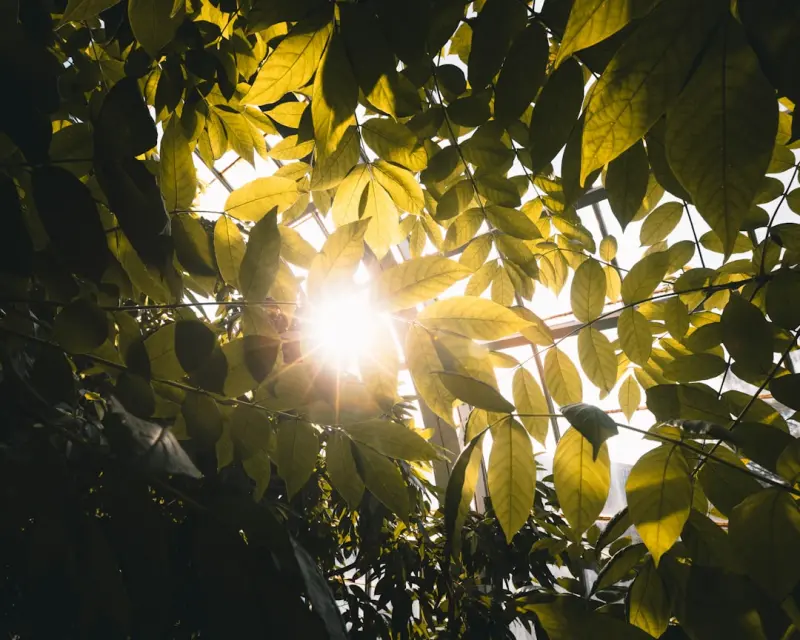
When I first moved into my new apartment, I was dazzled by the floor‑to‑ceiling windows that flooded the living room with morning light. I thought it was a design perk, a nice aesthetic touch. Over the next few weeks, however, I began to notice a subtle shift: my mood steadied, my afternoon slump evaporated, and even my evening workouts felt more effortless. It wasn’t the new sofa or the sleek kitchen appliances—something far more elemental was at play. The seasonal dance of daylight, that age‑old rhythm we have been tuned to for millennia, was quietly rewiring my health.
Light as a Biological Currency
Our bodies run on a sophisticated internal ledger called the circadian system. Every day, this system tallies inputs—light, food, movement—and translates them into hormonal signals, metabolic rates, and even gene expression. The primary accountant in this process is melatonin, the hormone that signals darkness and prepares us for restorative sleep. But melatonin isn’t the only player; cortisol, serotonin, and a host of clock genes (like BMAL1 and PER2) respond directly to the quality and timing of light exposure.
When we soak up bright, blue‑rich light in the morning, we suppress melatonin, boost cortisol in a healthy surge, and elevate serotonin—all of which sharpen cognition, lift mood, and prime our metabolism for the day ahead. Conversely, exposure to dim or artificial light at night tricks the brain into thinking it’s still daytime, delaying melatonin release and disrupting the delicate balance that underpins immune function, glucose regulation, and cellular repair.
Seasonal Shifts: More Than Just Mood Swings
Most of us recognize the classic “winter blues,” but the physiological implications run far deeper. In summer, longer daylight hours trigger higher serotonin levels, which not only improve mood but also modulate immune cell activity. Research shows that natural light boosts the production of vitamin D through skin synthesis, a critical factor for both bone health and the innate immune response.
In autumn, as daylight wanes, our bodies naturally begin to prioritize repair processes. This is a window where the parasympathetic nervous system—our “rest‑and‑digest” mode—takes the lead, supporting detox pathways and enhancing the efficiency of the lymphatic system. The seasonal pivot is not a flaw; it’s a built‑in adaptation that prepares us for the harsher conditions of winter.
Why Modern Life Disrupts the Light Cycle
Smartphones, LED bulbs, and 24‑hour work cultures have stretched our exposure to artificial light far beyond what our ancestors ever experienced. A typical office worker might spend 10–12 hours a day under fluorescent lighting, which is deficient in the blue wavelengths that signal alertness, yet still bright enough to suppress melatonin. In the evening, a screen’s blue light further confuses the circadian clock, delaying sleep onset and compressing deep‑sleep stages that are essential for memory consolidation and immune vigilance.
Moreover, the How Your Home’s Design Can Add Years to Your Life series highlighted how environmental factors—temperature, ergonomics, even color palettes—can influence longevity. Light, however, is perhaps the most potent environmental variable we can consciously adjust, and yet it’s often overlooked in home design discussions.
Practical Strategies to Harness Seasonal Light
- Morning Sun Ritual: Aim for at least 15‑30 minutes of direct sunlight within the first hour after waking. If you’re in a high‑rise building, a balcony or a brief walk to a nearby park can make a world of difference.
- Light‑Smart Workspaces: Replace overhead fluorescents with full‑spectrum bulbs that mimic natural daylight. Position desks near windows, and consider a light‑box for those stuck in windowless rooms.
- Evening Dim‑Down: Shift to warmer, low‑intensity lighting after sunset. Use amber lamps, screen filters, or “night mode” settings on devices to reduce blue‑light exposure.
- Seasonal Adjustments: In summer, take advantage of longer days by scheduling outdoor activities during peak sunlight. In winter, supplement with vitamin D‑rich foods (fatty fish, fortified dairy) and consider a calibrated light‑therapy box for 20‑30 minutes each morning.
- Window Management: Keep windows clean to maximize light transmission, and use sheer curtains rather than blackout shades during daylight hours.
Light, Social Connections, and Longevity
The impact of light isn’t confined to the individual. Our social environments also resonate with the same photic cues. When we gather for breakfast in a sunlit kitchen or share a late‑afternoon coffee on a patio, we’re synchronizing our circadian rhythms, a phenomenon known as social entrainment. This alignment has been linked to improved emotional regulation and stronger immune responses.
In the The Hidden Levers of Longevity article, the focus was on social circles as a fountain of youth. Light adds a literal dimension to that concept: the more our social interactions occur in natural light, the more we reinforce each other’s circadian health. Think of a community garden club that meets at sunrise, or a weekend hiking group that trails through the golden hour—these are not just pleasant pastimes; they’re communal light therapies.
From Light to Immunity: The Underlying Mechanisms
One of the most compelling reasons to prioritize seasonal light is its influence on the immune system. Light exposure modulates the activity of natural killer (NK) cells, which are frontline defenders against viruses and tumor cells. Studies have shown that individuals with higher morning light exposure have a 20‑30% increase in NK cell activity compared to those with limited daylight.
Additionally, the circadian regulation of cytokines—messenger proteins that coordinate inflammation—means that mistimed light can tilt the balance toward chronic low‑grade inflammation, a known driver of conditions like cardiovascular disease, type 2 diabetes, and neurodegeneration. By realigning our light exposure, we can promote a more balanced cytokine profile, reducing systemic inflammation.
Integrating Light with Other Health Pillars
While light is powerful, it works best when integrated with other lifestyle pillars:
- Nutrition: Pair morning sunlight with a protein‑rich breakfast to stabilize blood sugar and support neurotransmitter synthesis.
- Movement: Align physical activity with daylight—outdoor walks, jogs, or yoga in the sun amplify the benefits of both exercise and light.
- Mindfulness: Practice gratitude or breathing exercises outdoors. The combination of fresh air, natural light, and focused attention creates a synergistic stress‑reduction effect.
- Sleep Hygiene: Use the light cues you set during the day to inform your nighttime routine. Dark, cool, and quiet bedrooms signal the body to release melatonin at the appropriate time.
Tech‑Assisted Light Management (Without Going Full‑On “Tech‑Driven Sleep Terrors”)
If you love data, consider a simple wearable that tracks your light exposure alongside sleep and activity metrics. Many modern fitness trackers now include ambient light sensors. By reviewing the data, you can identify patterns—perhaps you’re getting ample daylight on weekdays but not weekends, or your evening light exposure spikes after dinner.
Use this insight to tweak habits: set a reminder to step outside during lunch, or schedule a “screen‑free hour” before bed. The goal isn’t to become a slave to a gadget, but to let the data illuminate blind spots in your routine.
Future Directions: Light Therapy in Clinical Settings
Medical research is increasingly exploring light as a therapeutic adjunct. Photobiomodulation (PBM), which uses specific wavelengths to stimulate cellular repair, shows promise in treating mood disorders, chronic pain, and even accelerating wound healing. While still emerging, these interventions hint at a future where light prescriptions become as commonplace as vitamin supplements.
Imagine a primary care visit where the doctor not only checks blood pressure but also assesses your “light balance” and prescribes a daily dose of morning sunshine or a light‑box regimen. As we continue to decode the light‑health connection, this scenario is moving from speculative to plausible.
Conclusion: Light as a Daily Prescription
We spend billions on gadgets, supplements, and gym memberships, yet the most accessible, cost‑free health tool is already shining above us. By honoring the seasonal rhythm of daylight—embracing the bright mornings, honoring the gentle evenings, and adjusting our indoor environments accordingly—we can unlock a cascade of benefits: steadier mood, stronger immunity, better sleep, and a deeper sense of connection with the world around us.
If you’re looking for a tangible way to boost your health without adding another pill to your cabinet, start with the light. Step outside, open those curtains, and let the day’s natural energy recalibrate your body’s internal clock. Your future self will thank you, one sunrise at a time.

William Roy is a freelance writer originally from Montreal who moved to Ottawa with his wife of 50 years to be closer to their grandkids. Alongside his writing, William has a passion for fishing.
Related Posts
Chasing Daylight: How Sunlight Timing Rewrites Your Body’s Blueprint
Learn how aligning your daily routine with sunrise, midday, and dusk sunlight can optimize hormone b... Read More

Nature Immersion: The High‑Impact Health Hack for Urban Professionals
A practical guide for urban professionals on using forest bathing to lower stress, improve immune fu... Read More

Digital Therapeutics: How Apps and AI Are Transforming Personal Health
A deep dive into digital therapeutics reveals how AI‑powered apps, wearables, and insurance partne... Read More
Top Posts
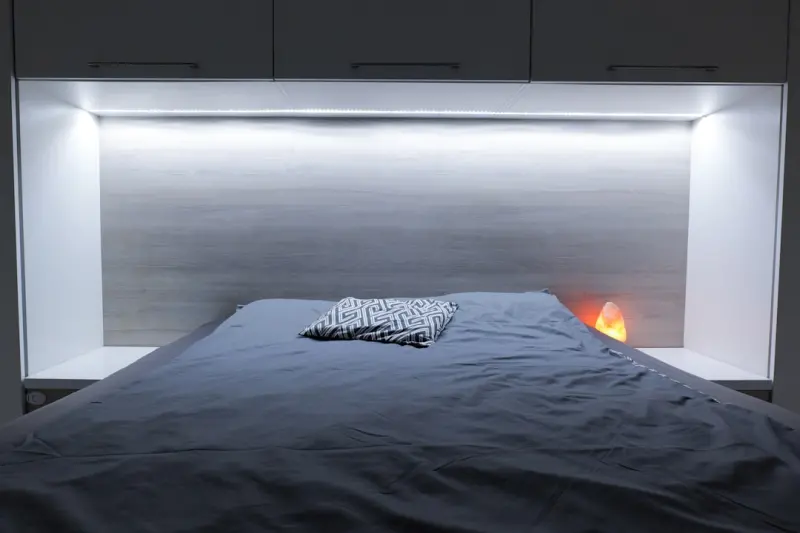
Designing a Sleep Sanctuary: How Your Bedroom Can Quiet the Mind
Learn practical steps to turn your bedroom into a calming sleep sanctuary—covering lighting, colors, sound, temperature, tech habits, and personal rituals for...Read More

When Stress and Sleep Collide: Unseen Threats to Your Liver’s Longevity
Chronic stress and fragmented sleep quietly undermine liver function. This article explains the science behind the stress‑sleep‑liver connection and offers ...Read More

Turn Your Health Insurance Into a Proactive Wellness Engine
Learn to turn your health insurance into a proactive wellness engine by using claims data, preventive services, and tax‑advantaged accounts to boost health ou...Read More

Navigating Narcolepsy: Turning Unpredictable Sleep Into Daily Strength
A personal guide to mastering narcolepsy: flexible scheduling, micro‑naps, nutrition tips, tech tools, and turning fleeting dream‑states into creative break...Read More
0 Comments
Post Comment
You will need to Login or Register to comment on this post!