
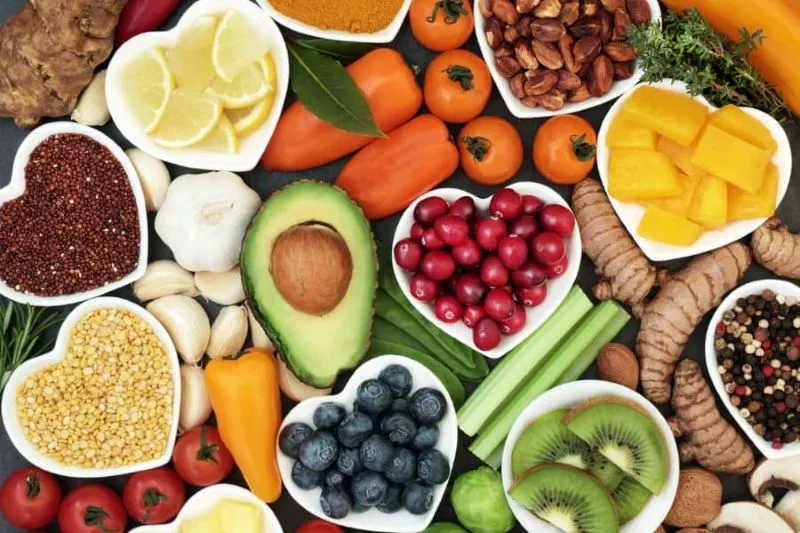
Your heart is the engine that keeps your entire body running, and the fuel you choose directly impacts its longevity. While exercise and stress management are vital, nutrition remains the foundation of cardiovascular health. By incorporating nutrient-dense produce into your daily meals, you can lower blood pressure, reduce inflammation, and improve arterial function.
Adopting a heart-healthy diet doesn't require drastic restrictions. Instead, it is about shifting your focus toward whole, plant-based foods that provide the vitamins, minerals, and antioxidants your heart craves. In this guide, we explore the best fruits and vegetables to prioritize for optimal cardiovascular performance.
The Science Behind Plant-Based Heart Health
Why do fruits and vegetables hold such a high status in cardiology? These foods are packed with dietary fiber, potassium, and phytochemicals that naturally combat heart disease. High levels of fiber, for instance, help manage cholesterol levels by binding to excess fat in the digestive tract before it enters the bloodstream.
Furthermore, many fruits and vegetables contain powerful antioxidants that neutralize free radicals. When these harmful molecules build up, they cause oxidative stress, leading to damage in the blood vessel linings. By fueling your body with colorful produce, you provide your cardiovascular system with the armor it needs to remain resilient against environmental and dietary stressors.
Top Fruits for Cardiovascular Protection
Certain fruits stand out due to their specific nutrient profiles. When choosing fruit, aim for variety. Different colors represent different phytonutrients, so filling your grocery cart with a rainbow of options ensures you get a wide spectrum of benefits.
Berries: The Antioxidant Powerhouses
Strawberries, blueberries, blackberries, and raspberries are among the most heart-protective foods available. They are rich in anthocyanins, which are antioxidants that protect against the oxidative stress and inflammation that contribute to the development of heart disease.
Research suggests that regular consumption of berries can improve blood pressure and decrease arterial stiffness. Try adding a handful of mixed berries to your morning oatmeal or blending them into a smoothie for an effortless, heart-healthy boost to your daily routine.
Citrus Fruits and Vitamin C
Oranges, grapefruits, and lemons are synonymous with vitamin C, but their heart-health benefits go much deeper. These fruits contain flavonoids, which have been shown to help improve blood flow and reduce the risk of ischemic stroke.
It is important to consume the fruit rather than just the juice. The fiber found in the pulp of citrus fruits is essential for maintaining healthy cholesterol levels. If you are taking medication, however, be sure to check with your doctor, as grapefruit can interact with certain heart prescriptions.
Avocados: The Healthy Fat Source
Often categorized as a vegetable, the avocado is technically a fruit, and it is a powerhouse of heart-healthy monounsaturated fats. These fats help lower your LDL (bad) cholesterol while maintaining or increasing your HDL (good) cholesterol levels.
Avocados are also high in potassium, a mineral that is critical for managing blood pressure. One avocado contains significantly more potassium than a medium banana, making it a perfect addition to salads, toast, or even as a creamy base for healthy salad dressings.
Essential Vegetables for Heart Longevity
While fruits provide a natural energy boost, vegetables form the core of your nutritional intake. They are generally lower in calories but high in volume, making them perfect for weight management—a key factor in reducing strain on your heart.
Leafy Greens for Arterial Health
Spinach, kale, arugula, and Swiss chard are vital for a healthy heart. These vegetables are rich in vitamin K, which helps protect your arteries and promotes proper blood clotting. They are also excellent sources of dietary nitrates.
Nitrates have been shown to reduce blood pressure, decrease arterial stiffness, and improve the function of the cells lining the blood vessels. Integrating a large portion of leafy greens into your daily dinner can significantly lower your long-term risk of cardiovascular incidents.
Cruciferous Vegetables and Inflammation
Broccoli, cauliflower, and Brussels sprouts belong to the cruciferous family. These vegetables are known for their anti-inflammatory properties and high fiber content. Chronic inflammation is a silent driver of heart disease, and these veggies act as a natural defense mechanism.
Try roasting these vegetables with a drizzle of olive oil and garlic to bring out their natural sweetness. The combination of healthy fats from the oil and the phytonutrients in the cruciferous vegetables creates a synergistic effect that promotes long-term heart health.
Tomatoes: The Lycopene Advantage
Tomatoes are a fantastic source of lycopene, a natural plant pigment with powerful antioxidant properties. Studies have shown that low blood levels of lycopene are linked to an increased risk of heart attack and stroke. Interestingly, cooked tomatoes, such as those in sauces, provide even more bioavailable lycopene than raw ones.
Strategic Tips for Incorporating More Produce
Knowing which fruits and vegetables are best is only half the battle. Making them a permanent fixture in your diet requires a sustainable strategy. Many people struggle with the preparation time, but you can simplify the process with a few easy habits.
- Meal Prep in Advance: Wash and chop your vegetables on Sunday so they are ready for quick additions to meals throughout the week.
- Focus on Frozen: Frozen fruits and vegetables are often just as nutritious as fresh, as they are picked at peak ripeness and frozen immediately.
- The Half-Plate Rule: Make it a goal to fill half of your plate with vegetables at lunch and dinner.
- Snack Smarter: Keep a bowl of fruit on your counter or desk to encourage snacking on apples or pears instead of processed items.
The Role of Fiber in Cholesterol Management
Fiber is perhaps the most underrated hero of heart health. Vegetables like carrots, sweet potatoes, and legumes are packed with soluble fiber. This type of fiber acts like a sponge in your digestive system, absorbing cholesterol-rich bile acids and removing them from the body.
When your body needs to produce more bile, it draws cholesterol from your blood to do so. This natural process effectively lowers your total blood cholesterol levels. By prioritizing fiber-rich produce, you are essentially cleaning your cardiovascular system from the inside out.
Hydration and Produce
Many fruits and vegetables, such as cucumbers, zucchini, and melons, have a high water content. Staying hydrated is essential for maintaining blood volume and heart rate. When you are dehydrated, your heart has to work significantly harder to pump blood through your vessels, which can lead to fatigue and elevated blood pressure.
Choosing water-rich produce is an excellent way to maintain your fluid balance while simultaneously consuming essential vitamins. A crisp cucumber salad or a slice of watermelon is an ideal snack for warm days when your heart needs extra support.
Avoiding Common Dietary Traps
While adding fruits and vegetables to your diet is beneficial, it is equally important to limit what you consume alongside them. Often, people inadvertently sabotage their heart health by adding excessive sodium, sugar, or unhealthy fats to otherwise healthy produce.
Avoid canned vegetables with added salt or fruits packed in heavy syrup. When dressing your salads, opt for olive oil and vinegar rather than heavy, processed dressings laden with high-fructose corn syrup and sodium. The goal is to keep these nutrient-dense foods as close to their natural state as possible.
Sustainable Changes for a Lifetime
A healthy heart is not the result of one single meal, but a consistent pattern of choices. By gradually increasing your intake of berries, leafy greens, and cruciferous vegetables, you create a physiological environment where your heart can thrive. Small, incremental changes are more likely to become permanent habits than sudden, drastic overhauls.
Listen to your body and experiment with different preparation methods to find what you enjoy most. Whether it is steaming, roasting, or eating raw, the best way to consume fruits and vegetables is the way that you will stick to long-term. Your heart will thank you for the extra effort, rewarding you with better energy, lower stress levels, and a stronger foundation for your overall health.
Remember that consults with healthcare professionals or dietitians are always recommended if you have existing heart conditions. They can help you tailor your fruit and vegetable intake to your specific health needs and ensure that you are getting the right balance of nutrients. Start today by adding one extra serving of vegetables to your next meal—your journey to a healthier heart starts with that first bite.

Related Posts

Fermented Foods: The Hidden Architects of Immune Resilience
Fermented foods do more than aid digestion—they rewire your immune system. Learn the science, prac... Read More

Nature Immersion: The High‑Impact Health Hack for Urban Professionals
A practical guide for urban professionals on using forest bathing to lower stress, improve immune fu... Read More

Micro‑Movement Mastery: Turning Everyday Moments into Health Wins
A simple, science‑backed approach shows how integrating micro‑exercises into daily routines can ... Read More
Top Posts

Beyond the Haze: How Vaping Is Redrawing the Map of Urban Sustainability
A deep dive into vaping’s hidden environmental costs, emerging policies, and the innovative design shifts that could turn disposable pods into a catalyst for ...Read More

When Beats Meet Feet: The Rise of Rhythm‑Driven Workouts
Nikki reveals the science behind rhythm‑driven training, shares a step‑by‑step guide for building beat‑matched workouts, and offers a beginner‑friendl...Read More
Mastering Blood Sugar: A Holistic Blueprint for Stable Glucose
Learn how to stabilize glucose naturally through mindful eating, strategic movement, stress reduction, and sleep optimization—turning blood sugar management i...Read More

Rewriting the Script: Storytelling as a Lifeline for Eating Disorder Recovery
A fresh look at how sharing your story—through writing, voice, or art—can rewire your brain, nurture self‑compassion, and empower lasting recovery from ea...Read More
0 Comments
Post Comment
You will need to Login or Register to comment on this post!