
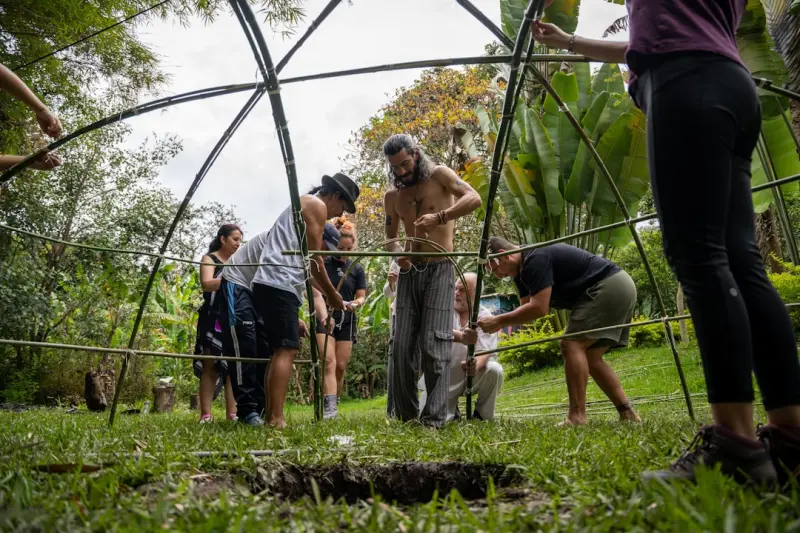
Rewilding Rehabilitation: How Nature and Play Transform Physiotherapy
When I first walked into a traditional physio clinic, the walls were a sterile white, the equipment gleamed with clinical precision, and the session felt more like a checklist than a conversation. Over the years, I’ve watched the field evolve, but one truth remains: the body is designed to move, explore, and adapt in environments that excite it. In this post, I’m pulling back the curtain on a burgeoning approach that blends the therapeutic rigor of physiotherapy with the playful, restorative power of the outdoors. Think of it as “rewilding” your rehab—bringing the session out of the gym and into the forest, the beach, or even the backyard.
Why the Outdoors Isn’t Just a Pretty Backdrop
Science tells us that exposure to natural light, varied terrain, and fresh air can boost neuroplasticity, reduce cortisol levels, and improve proprioceptive feedback. When you’re navigating uneven ground, balancing on a fallen log, or lunging over a sand dune, your nervous system receives a rich tapestry of sensory inputs that a flat treadmill simply can’t provide. This sensory overload isn’t chaotic; it’s a targeted stimulus that forces the brain‑muscle loop to re‑calibrate more efficiently.
In traditional settings, we often rely on predictable, repeatable movements to isolate muscles. While that has its place, it can also lead to “motor fixation”—the patient learns a movement pattern that works only on that specific surface. By introducing natural variability, you teach the body to generalize the skill, making the transition back to daily life smoother.
The Playful Prescription: Turning Rehab Into an Adventure
Play isn’t just for kids. Adults, especially those recovering from injury or surgery, can reap massive benefits from incorporating game‑like elements into their sessions. Here’s how I structure a “playful prescription”:
- Scavenger Challenges: Create a list of simple tasks—collect a pinecone, touch a low branch, or hop on one foot to a marked stone. Each task subtly targets balance, coordination, and strength.
- Nature‑Based Obstacle Courses: Use natural features—logs, sand, shallow water—to design circuits that demand multi‑directional movement.
- Rhythmic Movement Games: Incorporate music or chanting. Rhythm improves timing and encourages smoother gait patterns, echoing the benefits seen in The Hidden Levers of Muscle Growth research on coordinated loading.
These activities tap into intrinsic motivation. When a patient feels like they’re exploring rather than “exercising,” adherence skyrockets, and the nervous system engages more fully.
Grounding the Body: Proprioception Meets Ecology
Proprioception—our sense of body position—thrives on varied surfaces. Walking on grass, sand, or pebbles forces tiny stabilizing muscles in the feet and ankles to fire in new patterns. This is where the “rewilded” approach shines:
- Sand Walks: The yielding surface challenges the calf and tibialis anterior muscles, promoting ankle stability without overloading the joints.
- Tree Root Navigation: Stepping over irregular roots demands hip abduction and core activation, enhancing lateral stability.
- Water Play: Shallow streams or pools provide resistance while reducing impact, perfect for early‑stage joint rehab.
By integrating these natural proprioceptive drills, you can accelerate the re‑education of movement patterns that are often lost after prolonged immobilization.
Mind‑Body Synergy: The Role of Breath and Rhythm
One of the most overlooked aspects of physiotherapy is the breath. In a forest setting, breathing naturally deepens, and the rhythmic rustle of leaves can serve as a metronome. Encouraging patients to synchronize their movements with their breath—inhale on the lift, exhale on the descent—creates a calming feedback loop that reduces pain perception and improves motor control.
If you’re curious about how rhythm can be a therapeutic tool, take a look at the research behind AI‑Powered Physiotherapy. While that article dives into technology, the underlying principle is the same: timing and pattern recognition are central to recovery. The forest offers an organic, low‑tech metronome that any patient can tap into.
Social Connection in the Wild
Human beings are wired for connection, and the outdoors amplifies that instinct. Group hikes, partner balance drills, or even a shared “nature journal” where patients record their sensations can deepen the therapeutic alliance. This aligns with findings from social bonds and longevity studies, showing that communal experiences enhance neurochemical pathways that support healing.
When patients feel supported by peers, they’re more likely to push through discomfort, celebrate small victories, and sustain their rehab regimen long after the session ends.
Practical Steps for Clinicians Ready to Go Wild
Transitioning to an outdoor, play‑centric model may feel daunting, but you can start small:
- Scout Safe Spaces: Identify local parks, nature reserves, or even a well‑maintained garden that offers varied terrain.
- Adapt Existing Protocols: Translate a standard strengthening exercise into a nature‑based version—e.g., replace a static squat on a mat with a squat while picking up a pinecone.
- Equip Lightly: Bring portable tools—resistance bands, cones, and a small first‑aid kit. The goal is to stay mobile.
- Document Progress: Use a simple log to note terrain type, weather, and patient-reported outcomes. This data will help you refine the approach.
- Educate Patients: Explain the science behind nature‑based rehab, emphasizing the benefits of proprioceptive diversity and playful engagement.
Remember, the aim isn’t to replace indoor therapy entirely but to augment it. A hybrid model—clinic for targeted manual work, outdoors for functional integration—often yields the best results.
Case Spotlight: From Couch to Creek
Sarah, a 42‑year‑old office manager, suffered a rotator‑cuff tear after a weekend of gardening. Traditional physio focused on isolated shoulder lifts, which improved strength but left her hesitant to lift her own arms overhead in daily tasks. After six weeks of conventional treatment, we introduced a “creek crossing” drill: standing on a low, stable rock, she reached for floating pebbles on the water’s surface, progressively increasing reach height.
Within three weeks, Sarah reported reduced fear of overhead movement and a noticeable increase in confidence. The rhythmic splash of water provided auditory feedback, while the gentle sway of the rock engaged her core. By week twelve, she returned to her garden, confidently pruning the tall hedges that once seemed impossible.
Addressing Common Concerns
Safety: Always conduct a risk assessment. Choose locations with even ground, clear hazards, and easy access to emergency services.
Weather: Have a backup indoor plan. Light rain can actually enhance proprioceptive challenges—slick surfaces demand more control—but extreme conditions should be avoided.
Equipment: Minimalism is key. Over‑loading the session with gadgets defeats the purpose of returning to nature’s simplicity.
Future Directions: Research and Community Building
While anecdotal evidence and early case studies are promising, larger‑scale research is needed to quantify outcomes such as pain reduction, functional scores, and patient satisfaction. Collaborating with local environmental groups or university biomechanics labs can provide the data backbone to validate this approach.
In parallel, building a community of “wild‑physio” practitioners through webinars, shared playlists of nature sounds, and collaborative outdoor clinics can accelerate knowledge transfer and inspire more clinicians to step outside the box—literally.
Conclusion: Embrace the Wild Within
Physiotherapy has always been about restoring function, but function isn’t confined to a clinic’s four walls. By weaving nature, play, and social connection into our therapeutic toolkit, we invite patients to rediscover the joy of movement in its most authentic form. The forest, the beach, even a city park become classrooms where the body learns, relearns, and thrives. As we continue to honor the science while honoring the spirit, we’ll see a new generation of patients who don’t just recover—they rediscover the wildness that lies within.

Deb Roberts is a freelancer who writes on various subjects, bringing versatility and depth to her work. Alongside her broad writing expertise, she has a special passion for horses.
Related Posts

Micro‑Movements at the Desk: How Tiny Shifts Can Transform Your Physio Health
Learn how tiny, intentional movements integrated into your workday, combined with AI prompts and sma... Read More
The Gig Economy’s Missing Piece: A Tech‑First Physiotherapy Blueprint
Gig workers face unique musculoskeletal challenges, yet traditional physiotherapy doesn’t fit thei... Read More
Why Community Rhythm Beats Solo Sessions in Physiotherapy
Explore the transformative power of community physiotherapy, where shared movement, peer support, an... Read More
Top Posts

When Your Mind Gets Lost in the Zoom Maze: Re‑Finding Calm in a Hyper‑Connected Workplace
Explore evidence‑based tactics for managing Zoom fatigue, setting digital boundaries, and fostering a culture of psychological safety that lets professionals ...Read More

Why Men Need a Digital Detox (And How to Start)
A practical guide for men on the hidden costs of constant screen time and actionable strategies to implement a digital detox, improve mental clarity, and enhanc...Read More

Breaking the Cloud: A Holistic Look at Smoking & Vaping
Explore the hidden harms of smoking and vaping, and learn practical, holistic strategies—nutrition, breathwork, and community support—to break free and recl...Read More

The Surprising Science Behind Infant Skin‑to‑Skin Contact
Learn why skin‑to‑skin isn’t just sweet—it’s a powerful health tool that strengthens your baby’s immune system, sleep patterns, and your own wellbei...Read More
0 Comments
Post Comment
You will need to Login or Register to comment on this post!