

Functional Strength Unleashed: Physiotherapy Strategies for Real‑World Performance
When most people think about physiotherapy, the image that springs to mind is a clinic room filled with foam rollers, a treadmill, and a patient hunched over a single‑leg squat. That’s a narrow view, and it’s a missed opportunity. In my years of working on the front lines of rehabilitation, I’ve seen the same set of exercises prescribed over and over, while the real challenges people face outside the gym remain untouched. The truth is, physiotherapy isn’t just about treating injuries—it’s about building the functional strength you need to lift groceries, climb stairs, sit through a long meeting without pain, and return home to your family feeling capable.
In this deep‑dive, I’ll walk you through a fresh, evidence‑backed framework for integrating physiotherapy into everyday life. We’ll explore why the “one‑size‑fits‑all” model fails, how to use movement‑based assessments to pinpoint hidden deficits, and which low‑tech, high‑impact interventions can turn a sedentary lifestyle into a resilient, mobile one. Along the way, I’ll sprinkle in some practical tools you can start using today—no fancy equipment required.
Why Traditional “Gym‑Based” Rehab Misses the Mark
Traditional rehab programs often borrow heavily from the world of sport‑specific training: sets, reps, progressive overload, and isolated muscle work. While that approach is ideal for athletes chasing performance peaks, it can be counterproductive for the average person whose primary goal is functional independence. The problem stems from three core assumptions:
- Assumption #1: Strength equals size. Many clinicians equate a larger bicep or a heavier leg press with better function. In reality, functional strength is more about neuromuscular coordination and joint stability than pure hypertrophy.
- Assumption #2: Linear progression works for everyone. The classic “add 5 lb each week” model ignores individual variability in pain thresholds, motor learning speed, and daily stressors.
- Assumption #3: The gym is the only training venue. By keeping therapy confined to a controlled environment, we miss the chance to practice skills in the contexts where they truly matter—at a desk, in a kitchen, or while caring for a child.
These assumptions lead to a paradox: patients often leave the clinic feeling stronger on paper but still struggle with the simple tasks that prompted their visit in the first place. The solution lies in shifting the focus from “how much can you lift” to “how well can you move.”
Step 1: Conduct a Movement‑Centric Baseline Assessment
Before prescribing any exercise, start with a movement‑centric assessment. This isn’t a battery of isolated strength tests; it’s a series of functional screens that reveal where the body’s kinetic chain breaks down. Here are five quick screens you can perform in a 10‑minute session:
- Hip Flexor Glide Test: From a standing position, ask the client to step one foot back into a split stance and slide the front foot forward while keeping the torso upright. Observe for excessive lumbar extension or knee valgus.
- Wall‑Supported Squat: With the back against a wall, the client performs a shallow squat, aiming to keep knees tracking over the toes. Note any compensatory hip hiking or ankle dorsiflexion limits.
- Single‑Leg Reach: While standing on one leg, the client reaches forward with the opposite hand. This reveals balance, hip stability, and core activation.
- Seated Row Simulation: Sitting on a chair, the client pulls an elastic band toward the chest. This highlights scapular control and thoracic mobility—crucial for desk workers.
- Spinal Flexion‑Extension Sequence: From a neutral standing posture, the client performs a gentle cat‑cow motion, emphasizing smooth segmental movement without pain.
Document the quality of each movement, not just whether it can be completed. Look for “pain signals,” “compensatory patterns,” and “motor control lapses.” These observations become the roadmap for your individualized program.
Step 2: Prioritize Neuromuscular Retraining Over Heavy Loading
Once you’ve identified the weak links, the next step is to address them with neuromuscular retraining. The goal is to teach the nervous system new, efficient firing patterns. Below are three evidence‑based techniques that outperform traditional weight‑lifting for functional gains:
Dynamic Stabilization Drills
These involve moving a limb while maintaining a stable core. For example, a “dead‑bug” variation where the client extends the opposite arm and leg while keeping the lower back pressed into the floor. The emphasis is on control, not range.
Proprioceptive Perturbation
Use tools like wobble boards, foam pads, or even a folded towel. Have the client perform a simple task—such as a mini‑squat—while the surface shifts unpredictably. This forces the body to engage deep stabilizers (gluteus medius, transverse abdominis) that are often dormant.
Motor‑Pattern Sequencing
Break down complex movements into component phases, practice each phase slowly, then recombine. Think of teaching a client to “stand up from a chair” by first practicing hip hinge, then knee extension, then weight shift. The brain appreciates chunked learning.
These drills can be completed in 15‑minute micro‑sessions throughout the day, making them perfect for office workers or busy parents. Consistency beats intensity when the objective is functional adaptation.
Step 3: Integrate Breath and Core Synergy
Breathing is the unsung hero of functional strength. A coordinated breath pattern stabilizes the spine, improves intra‑abdominal pressure, and primes the nervous system for efficient movement. If you’re unfamiliar with the concept, check out the Breathing Into Balance article for a deeper dive.
Here’s a quick protocol you can embed into daily routines:
- Diaphragmatic Inhalation: Place one hand on the ribcage and the other on the belly. Inhale through the nose, expanding the belly while keeping the chest relatively still.
- Core Bracing on Exhale: As you exhale, gently draw the navel toward the spine without holding your breath. This creates a natural “corset” that protects the lumbar region during lifts or reaching.
- Timing Cue: Pair the exhale with the exertion phase of any movement (e.g., standing up, lifting a grocery bag). This synchrony maximizes force transmission and reduces strain.
Practicing this breathing pattern for just five minutes a day can dramatically improve posture, reduce low‑back pain, and enhance overall movement efficiency.
Step 4: Leverage Everyday Objects for Functional Load
You don’t need a squat rack to develop functional strength. The environment around you is a treasure trove of “load‑bearing” opportunities. Here are five creative ways to turn everyday items into physiotherapy tools:
- Water Bottles as Light Dumbbells: Fill a 1‑liter bottle with water or sand and use it for unilateral carries, overhead presses, or farmer’s walks while you’re waiting for the kettle to boil.
- Sturdy Chair for Elevated Split Squats: Place one foot on the seat, the other on the floor, and perform controlled descents. This mimics stair climbing and reinforces hip stability.
- Resistance Bands Hidden in the Wardrobe: Attach a band to a doorknob (ensure it’s secure) and perform rows, chest pulls, or hip abductions while watching TV.
- Backpack Loaded with Books: Wear it while walking the dog or pacing during a phone call. The added weight challenges postural muscles and promotes spinal alignment.
- Kitchen Counter for Incline Push‑Ups: Use the counter edge to reduce load initially, then progress to the floor as strength improves.
The key is progressive relevance: the load should mimic the real‑world task you’re trying to master. If you’re training for “lifting a toddler from a high‑chair,” practice a controlled overhead press with a comparable weight in a safe environment.
Step 5: Build a “Functional Strength Habit Loop”
Behaviour change is the final barrier between knowledge and performance. The habit loop—cue, routine, reward—offers a simple yet powerful framework. Here’s how to apply it to functional physiotherapy:
- Cue: Pair a movement with an existing daily habit. Example: perform a single‑leg balance while waiting for your coffee to brew.
- Routine: Execute a 30‑second micro‑session of the targeted drill (e.g., hip flexor glide).
- Reward: Provide immediate positive feedback—note a reduction in perceived effort, or simply enjoy a sip of your favorite beverage.
Over time, these micro‑sessions stack up, delivering measurable gains without overwhelming your schedule. Consistency, not intensity, becomes the driver of sustainable functional strength.
Step 6: Track Progress with Simple Metrics
Unlike the gym, where progress is often quantified by the weight on the bar, functional physiotherapy thrives on qualitative markers. Use these three easy‑to‑measure metrics to gauge improvement:
- Task Completion Time: How long does it take to rise from a chair without using hands? Record the baseline and track weekly.
- Pain Rating Scale (0‑10): After a functional activity (e.g., carrying groceries up a flight of stairs), note any discomfort. A decreasing trend signals adaptation.
- Movement Quality Score: Rate each functional screen on a 1‑5 scale, focusing on control, alignment, and pain. This provides a snapshot of neuromuscular efficiency.
Documenting these data points not only validates the program’s effectiveness but also fuels motivation—seeing concrete improvement is a powerful catalyst for continued adherence.
Step 7: When to Blend Physiotherapy with Complementary Modalities
Functional strength isn’t built in isolation. Occasionally, integrating other evidence‑based modalities can accelerate results:
- Mindful Movement Practices (Yoga, Tai Chi): These enhance proprioception, balance, and breath awareness—core ingredients of functional rehab.
- Soft‑Tissue Work (Massage, Myofascial Release): Reducing muscular tension can improve range of motion and facilitate cleaner movement patterns.
- Targeted Nutrition: While not a substitute for movement, adequate protein and micronutrients support tissue repair and energy availability.
If you’re interested in a deeper discussion on how muscle development intertwines with functional capacity, the Building Muscle with a Mindful Science post offers a complementary perspective.
Putting It All Together: A Sample 7‑Day Functional Strength Plan
The following template illustrates how to embed the principles above into a realistic weekly routine. Feel free to adapt the volume and intensity to match your personal baseline.
| Day | Morning Cue (5 min) | Midday Break (5 min) | Evening Wrap‑Up (5 min) |
|---|---|---|---|
| Monday | Hip Flexor Glide – 3 × 10 sec each side (while coffee brews) | Dynamic Stabilization “Dead‑Bug” – 2 × 8 reps per side (post‑lunch) | Diaphragmatic breathing with core brace – 5 cycles (pre‑dinner) |
| Tuesday | Wall‑Supported Squat – 2 × 12 reps (while checking emails) | Proprioceptive Perturbation on a towel – 3 × 30 sec single‑leg (after meeting) | Single‑Leg Reach – 2 × 10 sec per leg (while watching TV) |
| Wednesday | Seated Row Simulation with water bottle – 2 × 12 reps (while reading) | Motor‑Pattern Sequencing: sit‑to‑stand – 3 × 8 controlled reps (mid‑day) | Light backpack walk – 10 min (evening stroll) |
| Thursday | Hip Flexor Glide – repeat Monday (morning cue) | Dynamic Stabilization “Dead‑Bug” – repeat Tuesday (midday) | Diaphragmatic breathing with core brace – repeat Monday (evening) |
| Friday | Wall‑Supported Squat – repeat Tuesday (morning) | Proprioceptive Perturbation on a towel – repeat Tuesday (midday) | Single‑Leg Reach – repeat Wednesday (evening) |
| Saturday | Family Activity: Carry grocery bags using proper hip hinge – 3 × 5 lifts | Optional Yoga flow focusing on hip openers – 10 min | Reflective journaling: note task completion times & pain scores – 5 min |
| Sunday | Restorative stretch routine – 10 min (focus on thoracic mobility) | Light walk with backpack – 15 min (nature or neighborhood) | Plan next week’s cues based on metrics – 5 min |
This schedule demonstrates that functional physiotherapy can be woven into the fabric of daily life without demanding an extra hour at the gym. The emphasis is on micro‑doses, movement relevance, and consistent feedback.
Final Thoughts: From Therapy to Lifestyle
Physiotherapy should be seen as a lifestyle catalyst, not a temporary fix. By shifting the conversation from “rehab” to “functional strength for everyday living,” we empower individuals to reclaim autonomy over their bodies. The tools outlined here—movement‑centric assessment, neuromuscular retraining, breath integration, everyday object utilization, habit loops, simple metrics, and strategic modality blending—form a holistic system that bridges clinic expertise with real‑world demands.
If you’re a practitioner, consider incorporating these micro‑programs into your treatment plans and encouraging patients to track their functional outcomes. If you’re a self‑managed client, start with one cue today and observe the ripple effect across your day. The journey from “I can’t lift this box” to “I move through my day with confidence” is built one purposeful movement at a time.

Related Posts
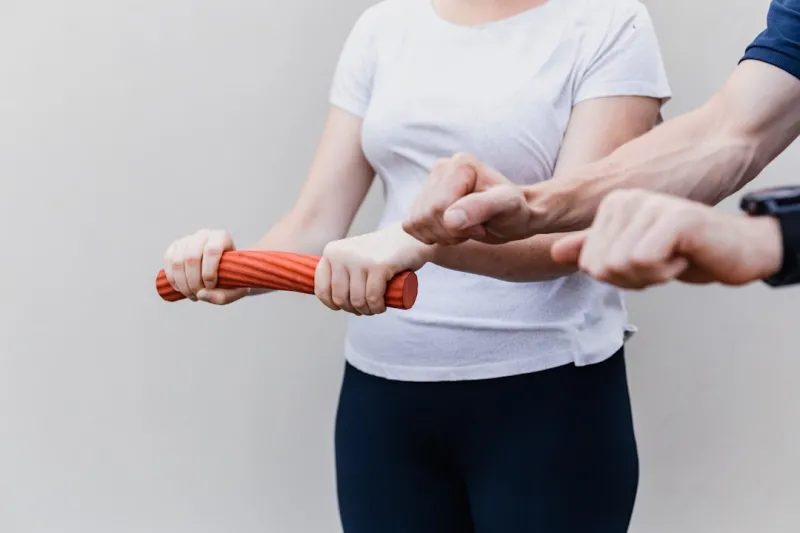
The Intersection of Physiotherapy and Chronic Health Conditions: A Holistic Approach
As a physiotherapist, I've seen the impact of chronic health conditions on quality of life. Learn ho... Read More
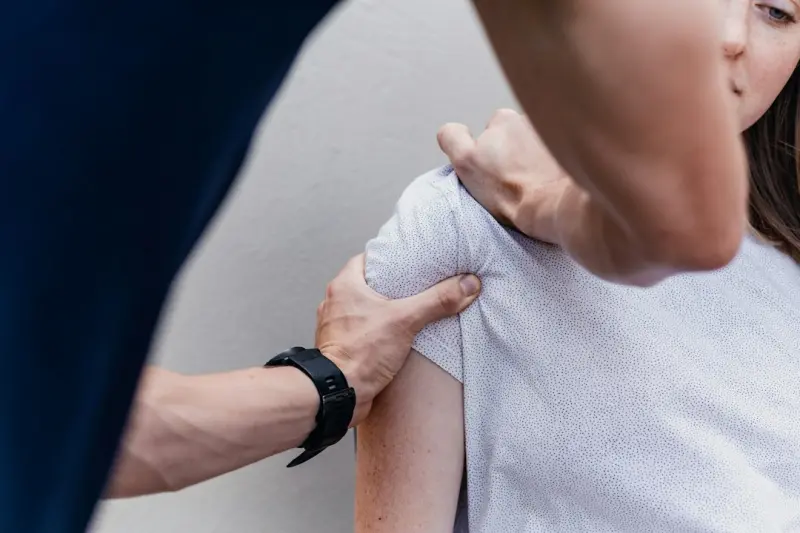
Fascia First: Unlocking Hidden Mobility for Desk‑Bound Professionals
Fascia, the connective tissue web, often gets ignored in workplace wellness. This article explains i... Read More

Level‑Up Rehab: How Virtual Reality Gaming Is Transforming Physiotherapy
Virtual reality is reshaping physiotherapy by turning exercises into immersive games, offering preci... Read More
Top Posts
When the Immune System Goes Rogue: A Data‑Driven Playbook for Living with Autoimmune Disease
Living with autoimmune disease can feel like a hidden chess match. This post offers a data‑driven playbook—covering symptom tracking, AI forecasts, immersiv...Read More

When Your Immune System Goes Rogue: A Pragmatic Guide to Harnessing Tech and Lifestyle for Autoimmune Health
Living with an autoimmune disease feels like a thermostat stuck on high. This guide blends data‑driven symptom tracking, low‑impact movement, sleep hacks, a...Read More

Beyond the Stethoscope: Why Women’s Heart Health Needs a Whole‑New Conversation
Heart disease remains the leading cause of death for women, yet symptoms and risk factors often go unnoticed. This article uncovers why standard cardiac assessm...Read More

Exploring How Travel and Changing Environments Can Calm Autoimmune Flare‑Ups
Travel isn’t just an escape; it can be a strategic tool for calming autoimmune inflammation. Learn how climates, cuisine, and community reshape your body’s ...Read More
0 Comments
Post Comment
You will need to Login or Register to comment on this post!