

Why Human Connection Beats All the Supplements
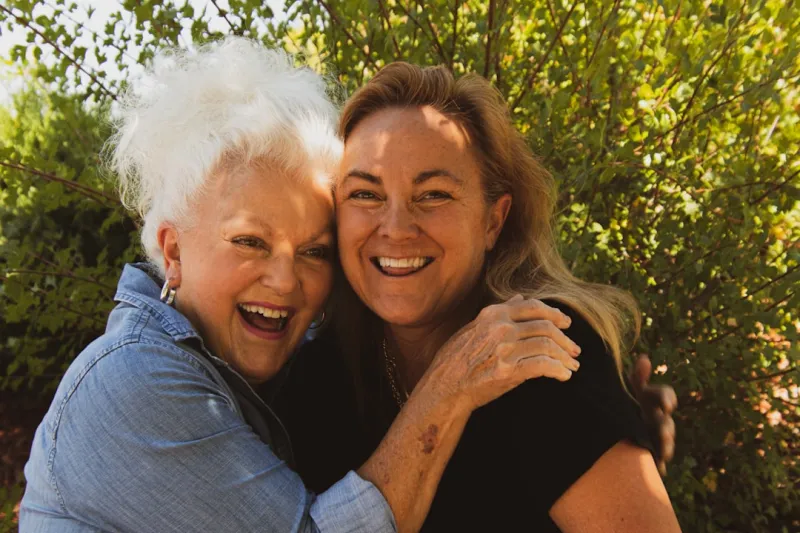
When I first heard the phrase “healthy aging,” I imagined a glossy checklist of super‑foods, cutting‑edge gadgets, and meticulously timed sleep cycles. I was wrong. The most powerful antidote to the wear and tear of time isn’t a bottle of collagen or a wearable that tracks steps; it’s the simple, often‑overlooked act of truly connecting with another human being.
The Science That Puts a Handshake on the Calendar
Decades of research now converge on one undeniable fact: social interaction rewires the brain in ways that protect against cognitive decline, chronic inflammation, and even mortality. A 2016 meta‑analysis of over 300,000 participants showed that people with strong social ties lived, on average, 7 years longer than their isolated counterparts. The mechanisms are surprisingly elegant:
- Stress buffering: Close relationships lower cortisol spikes, curbing the cascade that leads to hypertension and insulin resistance.
- Neuroplasticity boosters: Meaningful conversations stimulate the release of brain‑derived neurotrophic factor (BDNF), the protein that keeps neurons flexible and resilient.
- Immune fine‑tuning: Positive social engagement boosts natural killer cell activity, giving the immune system a more efficient “search‑and‑destroy” mode.
In short, a genuine hug can do more for your mitochondria than a morning espresso.
From Loneliness to Liveliness: A Personal Turnaround
I’ll be honest: my own mid‑life crisis was a quiet one. I was spending evenings alone, scrolling through feeds that glorified productivity while my own heart rate drifted upward. The turning point arrived when a neighbor, Mrs. Alvarez, knocked on my door with a tray of fresh figs and an invitation to join her weekly chess club.
That modest gesture set off a chain reaction. The weekly games gave me a reason to leave the house, to move my limbs, and most importantly, to engage my brain in strategic thinking. Within three months, my resting heart rate dropped by eight beats per minute, and I found myself laughing more—a physiological marker of increased parasympathetic tone.
It wasn’t the figs; it was the social ritual surrounding them that sparked the change.
Designing a Life Rich in Connection
If you’re skeptical that a casual conversation can replace a high‑tech health regimen, consider restructuring your environment to make connection the default mode. Below are five practical ways to weave human contact into the fabric of everyday life.
1. Create Micro‑Community Zones at Home
Think of your living space as a social hub rather than a solo sanctuary. A small round table in the kitchen, a comfortable reading nook by the window, or a communal garden bench can become the focal point for spontaneous dialogue. The key is to keep these zones uncluttered and inviting—no work laptops, no screens, just a place to sit and share.
2. Leverage Shared Learning
One of the most rewarding forms of connection is the exchange of knowledge. Whether it’s a book club, a cooking class, or a DIY woodworking group, the act of learning together activates the same neural pathways that curiosity as a longevity engine champions. The bonus? You get to practice active listening, a skill that strengthens empathy and emotional regulation.
3. Prioritize “Touch‑Based” Activities
Physical touch releases oxytocin, the hormone often called the “cuddle chemical.” Simple activities—massage circles, partner yoga, or even a regular handshake routine—can dramatically improve mood and lower inflammatory markers. If you’re living alone, consider volunteering at a community garden or animal shelter where gentle petting is part of the routine.
4. Adopt a “Nightly Connection” Ritual
Just as a consistent bedtime routine can boost immunity (reclaiming your night), a nightly check‑in with a loved one can reset your nervous system for restful sleep. A brief video call, a handwritten note, or a shared meditation session signals to your brain that you’re safe and supported, making it easier to drift into deep, restorative sleep.
5. Smile More—It’s a Shortcut to Health
Smiling isn’t just a social signal; it’s a physiological catalyst. When you smile, even artificially, your brain releases dopamine, serotonin, and endorphins—neurochemicals that reduce pain and improve mood. The smile as a health gateway concept reminds us that a simple grin can trigger a cascade of benefits, from lower blood pressure to stronger immune responses.
Intergenerational Interaction: The Ultimate Anti‑Aging Hack
While we’ve focused on peer relationships, there’s a hidden treasure in cross‑generational bonds. Younger people bring fresh perspectives, digital fluency, and a sense of optimism that can reignite a seasoned mind. Older adults, in turn, share wisdom, patience, and life experience that can ground the younger generation.
Studies from the University of Michigan show that seniors who mentor teenagers experience a 30% reduction in depressive symptoms and a measurable increase in executive function. The “mentor‑mentee” model is a two‑way street: it fuels purpose in the elder while providing guidance to the youth.
Technology as a Bridge, Not a Barrier
We’ve all heard the warnings about screen time and its impact on mental clarity (see “Untangling the Digital Web” for a deeper dive). However, when used mindfully, technology can actually amplify human connection. Video conferencing, digital book clubs, and online fitness challenges allow you to stay socially active even when physical distance is unavoidable.
The trick is to set boundaries: designate “tech‑free zones” (like the micro‑community table) and “tech‑enhanced zones” (like a virtual cooking class). This balance ensures that devices serve as conduits for contact rather than substitutes for it.
Measuring the ROI of Connection
If you’re a data‑driven person, you’ll want tangible metrics to track the impact of your new social strategy. Here are three simple, low‑tech measurements:
- Heart Rate Variability (HRV): A higher HRV indicates a resilient autonomic nervous system. Track it before and after social events to see the calming effect of connection.
- Sleep Quality Index: Note how many nights you wake up feeling refreshed after a week of intentional social interaction.
- Mood Journal: Rate your mood on a 1‑10 scale each evening. Over weeks, look for upward trends correlating with increased contact.
These data points can serve as a feedback loop, encouraging you to double down on the practices that work.
Overcoming Barriers: From Introversion to Inclusion
Not everyone is a natural social butterfly. Introverts, caregivers, or those with mobility challenges may feel excluded from the “connection‑first” narrative. The solution lies in customizing the approach:
- One‑on‑One Deep Dives: Instead of large gatherings, schedule regular coffee chats with a single friend.
- Virtual Reality Gatherings: Immersive platforms allow you to “sit” together in a virtual space without the fatigue of physical presence.
- Shared Quiet Activities: Reading the same book, listening to a podcast, then discussing it later can provide low‑pressure interaction.
The goal isn’t to force extroversion; it’s to cultivate genuine connection in a way that respects personal comfort zones.
Putting It All Together: Your 30‑Day Connection Blueprint
Ready to transform your aging trajectory? Here’s a straightforward, 30‑day plan that blends the principles discussed above:
- Week 1 – Audit Your Social Landscape: List current weekly interactions. Identify gaps and set a target to add at least two new touchpoints.
- Week 2 – Create a Community Corner: Rearrange a small area of your home for spontaneous gatherings. Invite a neighbor over for tea.
- Week 3 – Initiate a Shared Learning Project: Join a local class or start a digital study group on a topic you’re curious about.
- Week 4 – Institutionalize Nightly Connection: End each day with a brief conversation, a smile, or a shared meditation.
Track your HRV, sleep, and mood throughout. At the end of the month, you’ll likely notice a subtle but measurable uplift in both physical and mental markers.
Final Thought: Connection Is the New Fountain of Youth
We often chase longevity through diet, exercise, and medical interventions. While those are valuable, they’re only part of the puzzle. The human brain, heart, and immune system are hardwired to thrive on relational input. By deliberately weaving touch, conversation, and shared purpose into daily life, you’re not just adding years—you’re adding life to those years.
So, the next time you consider a pricey supplement, ask yourself: could a sincere laugh, a warm hug, or a curious conversation achieve the same result? In my experience, the answer is a resounding “yes.”

William Roy is a freelance writer originally from Montreal who moved to Ottawa with his wife of 50 years to be closer to their grandkids. Alongside his writing, William has a passion for fishing.
Related Posts

Reimagining Home Spaces: How Environment Shapes Vitality in Later Life
A fresh look at how intentional home design, subtle sensory cues, and smart technology can transform... Read More

Cultivating Curiosity and Micro‑Movement: A New Blueprint for Thriving in Your 70s and Beyond
A fresh take on aging shows that pairing daily curiosity with micro‑movements creates a powerful s... Read More
Holistic Strategies for Vibrant Healthy Aging
A personal guide to aging vibrantly, blending nutrition, gentle fitness, restorative sleep, and ment... Read More
Top Posts

Whole‑Self Wellness: My 2026 Blueprint for Vibrant Health
A personal 2026 guide to Whole‑Self Wellness, blending detox, brain health, stable blood sugar, movement, sleep, and community for lasting vitality....Read More

Cold Exposure Therapy: A Practical Path to Metabolic and Mental Resilience
Short, intentional cold exposure can ignite brown fat, boost norepinephrine, and enhance mental clarity. Learn practical ways to add icy moments into daily rout...Read More
The Gut‑Brain Connection: Micro‑Habits for a Balanced Mind
A practical guide to the gut‑brain axis, offering simple dietary tweaks, outdoor exposure tips, and wearable data loops that together support a healthier micr...Read More

The Silent Ally: Harnessing Workplace Data to Detect Cancer Early
By leveraging existing wellness data, AI analytics, and a privacy‑first approach, companies can turn everyday health metrics into early cancer detection alert...Read More
0 Comments
Post Comment
You will need to Login or Register to comment on this post!