
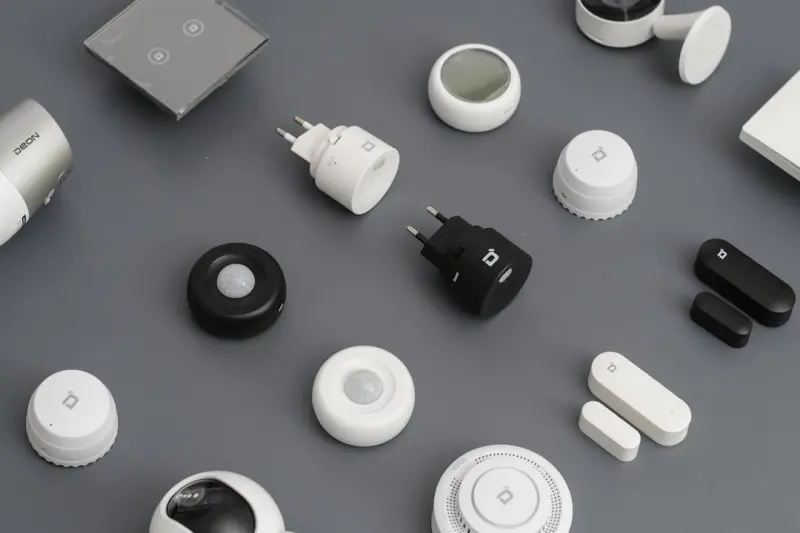
Why Your Home Can Be Your Best Ally
When I first started consulting for senior‑focused wellness programs, I was struck by a paradox: the very place that offers comfort and familiarity can also be the source of the most serious injuries. A simple slip in the kitchen or a misstep on a bathroom rug can turn a routine day into a medical emergency. The good news? Modern smart‑home technology gives us the tools to transform those hidden hazards into proactive safety nets.
The Fall‑Risk Landscape in Plain English
Statistics are sobering, but let’s keep the numbers out of the headline and focus on the lived experience. Imagine an older adult who enjoys a morning cup of tea, a quick stroll to the mailbox, and a weekly bingo night. Suddenly, a loose rug catches a foot, or a dimly lit hallway becomes a tripping ground. The result isn’t just bruises—it’s a loss of confidence, reduced mobility, and a cascade of health complications.
Understanding why falls happen is the first step toward preventing them. The three main culprits are:
- Environmental hazards: Clutter, uneven flooring, poor lighting.
- Physical changes: Decreased balance, slower reaction time, muscle weakness.
- Cognitive overload: Distractions, multitasking, or momentary forgetfulness.
When you combine these factors, the risk multiplies. That’s where smart technology steps in—not as a gimmick, but as a systematic safety strategy.
Smart Lighting: Seeing the Path Clearly
Lighting is more than ambiance; it’s a critical safety feature. Motion‑activated LED strips tucked under cabinet doors, stair risers, or along hallway baseboards automatically illuminate when movement is detected. Unlike traditional nightlights that stay on all night (wasting energy and potentially disrupting sleep), these lights respond in real time, providing exactly the illumination you need—no more, no less.
Pairing these lights with a central hub allows you to set custom brightness levels for different zones. For instance, a softer glow in the bedroom preserves a restful environment, while a brighter, focused beam lights the bathroom when the sensor detects a presence. This dynamic approach reduces the chance of missteps without sacrificing comfort.
Floor Sensors and Wearable Alerts
One of the most promising advances is the integration of pressure‑sensitive floor mats with wearable devices. A mat placed near high‑risk areas—like the bathroom or kitchen entrance—can detect an unusual shift in weight distribution that often precedes a stumble. When such a pattern is identified, a gentle vibration or audible cue is sent to a smartwatch or pendant, alerting the wearer to steady themselves before a fall occurs.
These systems are non‑invasive and respect privacy, unlike cameras that can feel intrusive. The data is processed locally, meaning you don’t need to upload sensitive movement patterns to the cloud. The result is a discreet, real‑time safety net that empowers seniors to move with confidence.
Voice‑Controlled Assistants: Hands‑Free Help
Voice assistants have moved beyond answering trivia. Modern platforms can now trigger emergency protocols, adjust thermostats, lock doors, and even call a caregiver—all with a simple command. Imagine this scenario: you’re reaching for a high shelf and lose balance. You can shout “Help, I’m down,” and the system will automatically notify a pre‑selected contact, send an alert to a monitoring service, and turn on all lights in the room to aid a quick recovery.
For seniors who may find smartphones cumbersome, voice control eliminates the need to fumble for a device. The key is personalizing the wake phrase and ensuring the assistant is always listening in crucial areas—like the bathroom or bedroom.
Smart Locks and Automated Doorways
Doorways can become bottlenecks, especially for those using walkers or canes. Installing smart locks that open automatically when a proximity sensor detects a wearable or a smartphone can reduce the physical effort required to navigate a home. Some systems also feature a gentle, audible chime that confirms the door is unlocked, giving an extra layer of reassurance.
Beyond convenience, these locks provide peace of mind. In the event of a fall, an emergency contact can remotely unlock the front door, allowing rescue personnel swift entry without breaking down a door.
Health‑Monitoring Sensors: The Silent Guardians
Integrating health data with home automation creates a holistic safety net. Sensors that monitor heart rate, oxygen saturation, and gait patterns can flag anomalies that precede a fall. For instance, a sudden dip in blood oxygen might indicate a respiratory issue that compromises balance. The system can then adjust environmental factors—like increasing ventilation or lighting—and send an alert to a caregiver.
These devices are typically worn as a simple bracelet or clipped onto clothing. The real power lies in the analytics engine that learns each individual’s baseline, distinguishing a normal “slow walk to the kitchen” from a concerning “staggered gait.”
Fall‑Detection Cameras: Discreet Yet Powerful
While privacy is a valid concern, modern fall‑detection cameras use edge computing to analyze movement locally. They can differentiate a person sitting down from a sudden collapse. If a fall is detected, the system sends a silent alert to a designated contact, along with a short video clip to confirm the situation.
These cameras are often disguised as ordinary picture frames or digital photo displays, blending seamlessly into the home décor. The focus is on function over surveillance, ensuring safety without feeling watched.
Creating a “Smart Home Safety Checklist”
To make the technology adoption process manageable, I recommend a phased approach. Here’s a simple checklist you can follow:
- Assess risk zones: Identify rooms where falls are most likely (bathroom, kitchen, stairs).
- Start with lighting: Install motion‑activated LEDs in these zones.
- Add floor sensors: Place pressure mats near high‑traffic entry points.
- Integrate wearables: Choose a smartwatch or pendant that can receive alerts.
- Enable voice assistants: Set up emergency commands and ensure they’re active in all key areas.
- Upgrade locks: Install smart locks that work with proximity sensors.
- Layer health monitoring: Add a wearable that tracks vitals and gait.
- Test and refine: Conduct mock scenarios to ensure alerts reach the right people.
Following this roadmap turns a daunting project into a series of achievable milestones, each building on the last to create a comprehensive safety net.
Community and Shared Knowledge
Technology is only as effective as the support ecosystem around it. Many senior living communities are now forming tech mentorship circles, where tech‑savvy volunteers teach residents how to use smart devices. This peer‑to‑peer learning model not only builds competence but also fosters social connection—a vital component of overall health.
If you’re looking for inspiration, check out the Community Garden Prescription. While the focus there is on shared green spaces, the underlying principle of leveraging communal resources for health applies directly to tech adoption. A neighborhood can pool resources to purchase a central smart‑home hub, making advanced safety features affordable for everyone.
Balancing Innovation with Simplicity
It’s easy to get swept up in the latest gadget hype, but the goal is to enhance daily life, not complicate it. Choose devices that have intuitive interfaces, clear voice prompts, and reliable customer support. Remember, the best technology is the one you don’t have to think about—because it just works.
When evaluating a product, ask these questions:
- Is the setup process straightforward?
- Can the device be controlled by voice or a single button?
- Does it integrate with existing platforms (e.g., Alexa, Google Home)?
- Is there a clear privacy policy and local data processing?
- Is there a robust warranty and responsive support line?
Future Trends: What’s on the Horizon?
Looking ahead, the convergence of AI and IoT will bring even smarter environments. Imagine a home that predicts a fall before it happens by analyzing subtle shifts in posture throughout the day, then gently nudges you with a calming voice reminder to sit down and rest. Or a system that coordinates with your primary care provider, automatically logging health data for proactive medical interventions.
While these advancements are still emerging, the foundation is already being laid. By starting with the core safety tools outlined above, you position yourself to seamlessly integrate future upgrades as they become available.
Conclusion: Empowerment Through Smart Design
In my years of working with seniors, I’ve seen a recurring theme: confidence is the true catalyst for health. When individuals feel secure in their surroundings, they move more, engage socially, and maintain a higher quality of life. Smart‑home technology is not about replacing human care—it’s about extending the reach of that care, offering an extra layer of protection that allows seniors to stay in the homes they love.
Take the first step today. Identify one area—perhaps the hallway lighting—and implement a simple, motion‑activated solution. Experience the peace of mind it brings, then build from there. With each addition, you’re not just installing a device; you’re crafting a resilient, empowering environment that lets older adults live boldly, safely, and independently.

Related Posts

Why Curiosity Is the Secret Workout for Seniors
Curiosity can be a low‑impact workout for seniors, blending mental stimulation with gentle movemen... Read More
The Importance of Mental Health in Seniors: A Holistic Approach
Mental health issues are a significant concern for seniors. Learn about the importance of mental hea... Read More
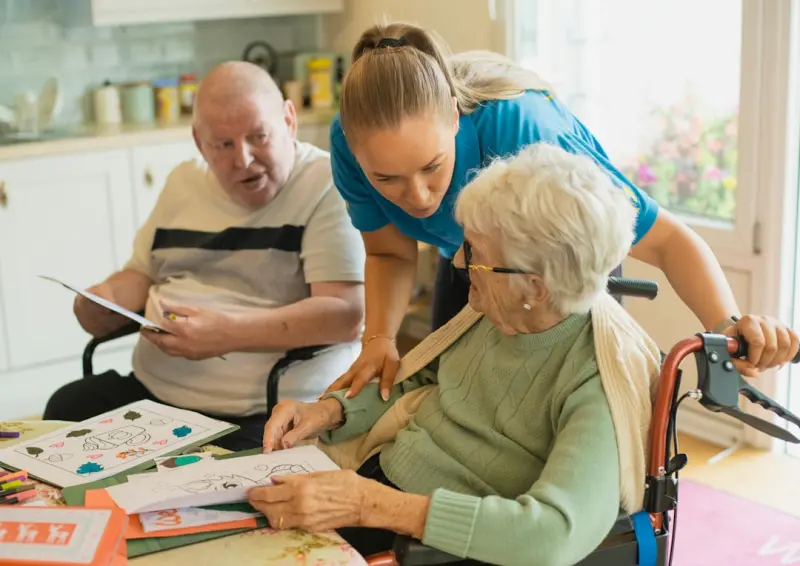
How Senior Volunteerism Supercharges Physical and Mental Well‑Being
Volunteering offers seniors a powerful blend of physical activity, mental stimulation, and social co... Read More
Top Posts
Listening to the Night: Turning Insomnia Into a Body’s Conversation
Insomnia isn’t just a problem—it’s a conversation. Learn practical tools like body scans, scent cues, gentle movement, and storytelling journaling to hear...Read More
How AI‑Powered Wearables Are Quietly Transforming Sleep Apnea Management
An in‑depth look at how AI‑enhanced wearables, combined with optimized sleep environments and holistic detox strategies, are shifting sleep apnea care from ...Read More

Navigating Narcolepsy: A Holistic Approach to Understanding and Managing the Condition
Narcolepsy is a complex neurological disorder that affects millions of people worldwide. A holistic approach to managing the condition seeks to understand the u...Read More

The Holistic Muscle‑Gain Blueprint for Women in 2026
A 2026 muscle‑gain guide that fuses nutrition, smart training, liver health, and mental resilience, offering women a sustainable path to stronger, healthier b...Read More
0 Comments
Post Comment
You will need to Login or Register to comment on this post!