

When I first heard the term “prediabetes,” my mind jumped straight to lab reports, glucose meters, and the looming threat of a chronic disease. I was right—those are the clinical realities. But what I didn’t expect was how profoundly my social world could become the most powerful lever for change.
Why Community Beats Solo‑Effort Every Time
Science tells us that habits are social. We’re hard‑wired to look to our peers for cues about what’s normal, what’s rewarding, and what’s doable. In the context of prediabetes, that means the people you eat with, walk with, and talk to can either tip the scales toward healthier blood sugar or pull you back into the familiar patterns that keep glucose levels stubbornly elevated.
Think of it as a “social thermostat.” Just as you wouldn’t leave your home heating on full blast all winter, you don’t have to let unhealthy habits run unchecked. By tweaking the social environment—who you spend time with, what activities you share, the rituals you co‑create—you can gently lower that thermostat and keep blood sugar in a safer range.
Rituals: The Quiet Engine of Change
Rituals are the small, repeatable actions we embed in our daily lives. They’re the difference between “I’ll try to eat better someday” and “We have a Sunday veggie‑focused potluck at 2 p.m.” When a ritual is shared, it gains momentum, accountability, and a sense of belonging.
Here are three ritual categories that have proven to be game‑changers for people navigating prediabetes:
- Food‑first gatherings. Swap the usual coffee‑and‑donut meet‑up for a “protein‑plus‑veggies” brunch. The simple act of planning a menu together makes healthier choices feel communal, not restrictive.
- Movement micro‑sessions. Instead of a solitary gym routine, organize a “walk‑and‑talk” meeting with colleagues or friends. The conversation distracts from the effort, and the shared experience builds a habit loop that’s hard to break.
- Check‑in circles. A weekly 10‑minute group chat where each person shares a win or a challenge around blood‑sugar management can surface ideas you never thought of and provide instant encouragement.
When rituals become part of a group’s identity, they’re no longer chores—they’re traditions.
Leveraging Existing Community Hubs
Most of us already belong to at least one community: a workplace, a fitness class, a book club, a neighborhood association. The trick is to weave health‑focused intentions into those existing structures instead of creating brand‑new groups that quickly lose momentum.
Workplace Wellness, Redefined
Many companies tout “wellness programs,” but they often feel top‑down and optional. Flip the script: champion a peer‑led “mid‑day movement break” where a small group gathers for a 5‑minute stretch or a quick walk around the block. Pair it with a shared water bottle refill station to keep hydration—and by extension, blood‑sugar control—front‑of‑mind.
When you need concrete ideas for nutrition that won’t disrupt remote workflows, consider exploring smart nutrition hacks that can be implemented during video calls or at the home desk.
Neighborhood Food Co‑ops and Gardens
Community gardens are more than green spaces; they’re social incubators. Organize a “harvest‑and‑cook” night where participants pick fresh produce and then prepare a low‑glycemic meal together. The act of growing food demystifies nutrition and gives you a tangible connection between soil, plate, and blood sugar.
Faith‑Based and Cultural Groups
Many cultural celebrations revolve around food. Rather than viewing that as a barrier, collaborate with organizers to introduce a “balanced plate” segment—perhaps a demonstration of how to portion a traditional dish with a side of fiber‑rich legumes. The key is to respect tradition while subtly nudging the glycemic load in a healthier direction.
Digital Communities: The New Neighborhood
Physical proximity isn’t a prerequisite for support. Online platforms—private Facebook groups, Discord servers, or even a shared Google Sheet—can become virtual “living rooms” where people log meals, share recipe tweaks, and celebrate small victories.
When structuring a digital hub, keep it simple:
- Clear purpose. Title the group “Prediabetes Peer Power” or something equally upbeat.
- Scheduled prompts. A weekly “Monday Meal Swap” post encourages members to post a photo of a low‑glycemic breakfast they tried.
- Celebration threads. Recognize milestones—whether it’s a 5‑lb weight loss, a HbA1c dip, or simply a week of consistent glucose monitoring.
The anonymity and convenience of online interaction can make it easier for shy participants to share concerns they’d keep to themselves in a face‑to‑face setting.
The Science Behind Social Influence on Glucose
Research from behavioral economics shows that “social norms” heavily sway food choices. When you see coworkers opting for a salad over a burger, you’re more likely to follow suit—without consciously deciding to. Moreover, stress, a major driver of insulin resistance, is often mitigated by supportive relationships. A study published in the Journal of Clinical Endocrinology found that participants with strong social ties exhibited a 15 % lower fasting glucose level than those who reported social isolation.
Beyond the emotional cushion, social activities can directly affect metabolic pathways. For instance, a group walk after dinner helps muscles uptake glucose independent of insulin, reducing post‑prandial spikes. Similarly, cooking together encourages the use of whole foods, which tend to have a lower glycemic index.
Building Metabolic Resilience Through Shared Action
While community rituals are the front line, underpinning them with a solid understanding of metabolism makes the effort sustainable. If you’re curious about how liver function plays a role, dive into the concepts of building metabolic resilience. The liver is the body’s glucose‑buffering hub; supporting its health through balanced meals and regular movement can dramatically improve your prediabetes outlook.
Practical steps to fortify liver health include:
- Limiting added sugars and refined carbs, which overburden hepatic glycogen stores.
- Incorporating antioxidant‑rich foods like berries, leafy greens, and nuts.
- Ensuring adequate hydration—water helps the liver flush out metabolic waste.
Case Study: A Small Business Team’s Turnaround
At a boutique marketing firm where I consulted, a group of eight employees learned they were all in the prediabetes range during a routine health screening. Instead of a top‑down mandate, they formed a “Glucose Guardians” circle.
Here’s what they did over six months:
- Weekly “Lunch‑Swap” meetings. Each person brought a low‑glycemic dish to share, fostering a culinary exchange that introduced new recipes to the whole team.
- Midday “Walk‑Talks.” Two‑hour meetings were replaced by a 15‑minute walk outside, with a rotating “conversation leader” who kept the discussion lively.
- Monthly data‑check‑ins. Using a shared spreadsheet, they logged fasting glucose readings and celebrated any downward trends.
Result? All participants reported a drop of at least 5 mg/dL in fasting glucose, and three members moved from prediabetes to normal range. The biggest surprise was the boost in morale—productivity rose, and turnover decreased.
Practical Tips to Kick‑Start Your Own Community Strategy
Ready to harness the power of community for your prediabetes journey? Start with these three low‑effort actions:
- Identify an existing group. It could be a book club, a coworking space, or a family dinner. Note how often you meet and what the usual agenda looks like.
- Introduce one health‑focused ritual. Pick a single, manageable change—like a 10‑minute post‑meal walk or a shared fruit platter at meetings.
- Set a shared metric. Choose a simple measure—average daily steps, weekly fruit servings, or a collective glucose log—and track progress together.
Remember, the goal isn’t perfection; it’s consistent, collective movement toward better glucose control.
Overcoming Common Barriers
Time constraints. Counter by embedding health actions into already‑scheduled events. A 5‑minute stretch before a conference call is a win.
Social resistance. Some friends may view health changes as “preachy.” Frame it as an experiment: “Let’s try swapping one snack for a fruit this week and see how we feel.” The low‑stakes approach reduces defensiveness.
Resource limitations. Not everyone can afford a gym membership. Opt for free community resources—public parks for walking, local libraries for nutrition workshops, or online recipe swaps.
Looking Ahead: The Ripple Effect
When you embed healthier habits in a community, the benefits ripple outward. A parent who learns to cook low‑glycemic meals for themselves often extends those recipes to their children. A colleague who discovers the impact of brief walks may inspire other departments. In this way, one small group can become a catalyst for broader cultural change—a shift from isolated disease management to collective health empowerment.
If you’re inspired, start a conversation today. Invite a coworker for a post‑lunch stroll, suggest a shared potluck, or launch a private chat group for glucose‑friendly recipes. Your initiative could be the spark that transforms a single prediabetes story into a community success saga.

Related Posts

Rewire Your Gut: A Fresh Path to Reversing Prediabetes
Learn how nurturing your gut microbiome, aligning daily rhythms, and using simple tech tools can tra... Read More
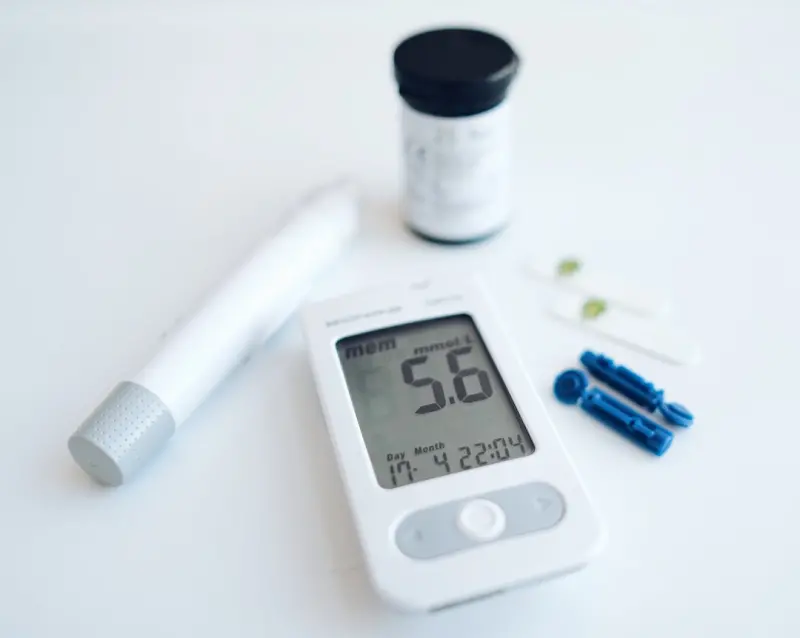
Micro‑Habits That Outsmart Prediabetes
Learn how simple, consistent micro‑habits—like hydration cues, fiber‑first meals, and brief mo... Read More

Gut Feelings: How Your Microbiome Can Turn the Tide on Prediabetes
Learn why the gut microbiome matters for prediabetes, and get actionable nutrition, lifestyle, and d... Read More
Top Posts

Nourish Your Brain: Seasonal, Gut‑Friendly Strategies for Creative Energy
Learn how to feed your gut, align meals with your circadian rhythm, and revitalize heritage recipes to fuel mental clarity and creative energy—all with practi...Read More
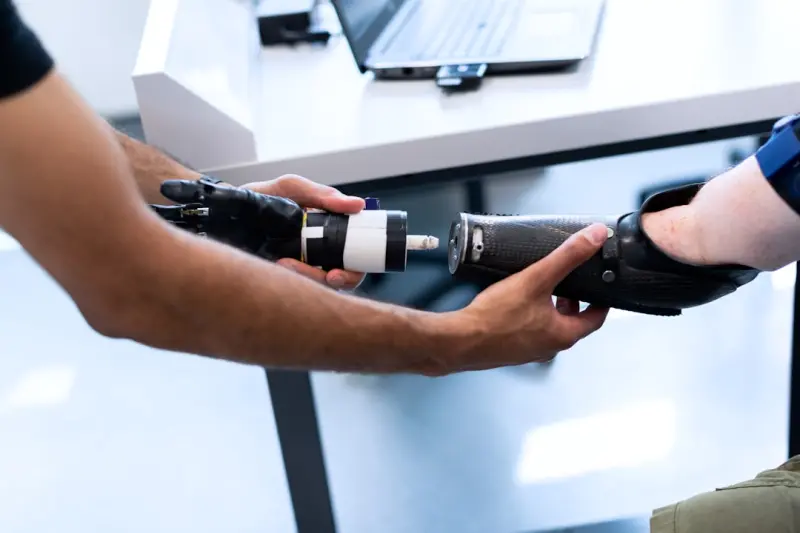
Immersive Tech Meets Hands‑On Healing: Redefining Physiotherapy
Immersive technologies are reshaping physiotherapy, turning routine exercises into interactive, data‑rich sessions that boost motivation, provide real‑time ...Read More
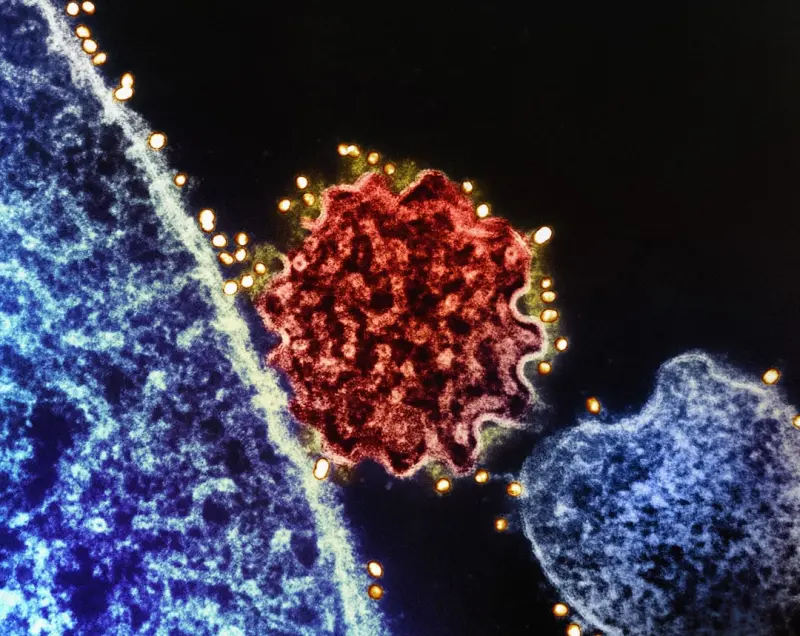
Data‑Driven Self‑Management: Leveraging Wearables and AI to Tame Autoimmune Flare‑Ups
A deep dive into using wearable tech and AI to predict autoimmune flare‑ups, offering practical steps, community insights, and a glimpse into the future of in...Read More
Perimenopause at Work: Turning the Change into a Competitive Edge
Perimenopause can affect focus, mood, and energy at work. This article explains the science behind the transition, identifies early signs, and offers practical ...Read More
0 Comments
Post Comment
You will need to Login or Register to comment on this post!