

Reframing Prediabetes: From Warning Light to Personal Growth Engine
When I first heard the word “prediabetes,” my brain immediately hit the panic button. Another medical label? I thought. Another reason to feel broken. I’ve spent the past decade untangling the mess of health‑focused narratives that tell us we’re either “perfectly fine” or “in crisis.” Today, I’m choosing a different script. I’m treating prediabetes not as a looming disaster, but as a uniquely honest mirror that reflects where my habits, emotions, and environment intersect.
Why “Prediabetes” Gets a Bad Rap
Traditional health messaging paints prediabetes in stark black‑and‑white terms: “You’re on the edge of diabetes—act now or suffer.” This fear‑based approach works in the short term, but it rarely builds lasting change. It also ignores a crucial truth: the body is constantly sending us data. The blood‑sugar numbers are just one of many signals we can learn to read, interpret, and respond to with curiosity rather than shame.
- Label fatigue: The more we hear “prediabetes,” the more it blends into a background buzz, losing its motivational punch.
- One‑size‑fits‑all advice: Generic diet plans and “just walk more” suggestions ignore the complex tapestry of sleep, stress, genetics, and community that shape our metabolism.
- Missing the why: Numbers alone don’t tell the story of what’s actually happening in our lives—late‑night work emails, family meals that feel like obligations, or a lack of supportive friends.
What if we flipped the script? What if prediabetes became a personal growth engine—a catalyst for exploring deeper patterns and building a life that feels sustainable, not punitive?
The “Signal‑Listening” Mindset
Think of your body as a sophisticated smart home. When a sensor detects a spike in temperature, the thermostat kicks in. When the door is left ajar, an alarm sounds. In the same way, your blood‑sugar readings are a sensor alert. The goal isn’t to “fix” the sensor; it’s to understand why it’s triggered and adjust the environment accordingly.
Adopting a signal‑listening mindset involves three simple steps:
- Observe without judgment. Keep a light log of meals, mood, sleep, and activity. Notice patterns—maybe a mid‑afternoon slump correlates with a coffee‑heavy snack.
- Ask “What’s the story?” Each spike is an invitation to ask why. Is it stress‑induced cortisol? Is it a habit of binge‑watching TV with a bag of chips?
- Iterate gently. Test a small change—swap that chips bag for a handful of nuts—and see how the sensor reacts. Celebrate the data, not the outcome.
This approach transforms numbers from a judgmental scoreboard into a compassionate dialogue.
Micro‑Habit Stacking: The Tiny Levers That Move the Needle
When I tried to overhaul my entire diet after a prediabetes diagnosis, I quickly hit the wall. The solution? Break the mountain into a series of micro‑hills.
Here are five micro‑habits that, when stacked, create a powerful ripple effect:
- Hydration cue: Keep a glass of water on your desk and sip every time you receive an email. Over a day, you’ll add 1‑2 liters without thinking about it.
- Movement pause: Set a timer for every 90 minutes. When it rings, stand, stretch, or do a 30‑second walk‑in‑place. This reduces post‑lunch glucose spikes.
- Protein‑first bite: Start every meal with a protein source (egg, Greek yogurt, nuts). It blunts the glycemic impact of carbs that follow.
- Stress‑check breath: Before diving into a stressful task, take three deep diaphragmatic breaths. It lowers cortisol, which can otherwise push blood sugar up.
- Night‑time screen shutoff: Power down devices 30 minutes before bed. Better sleep improves insulin sensitivity.
Each habit on its own feels almost negligible. Together, they form a habit stack that rewires your daily rhythm without the “all‑or‑nothing” mentality.
Seasonal Food Synergy: Eating with the Earth’s Clock
One of the most delightful ways I’ve learned to make food choices feel less like a chore is by aligning my plate with the seasons. When produce is at its peak, it’s not only more flavorful but also packed with the nutrients our bodies need at that time of year. This natural alignment can smooth blood‑sugar curves without the mental gymnastics of strict counting.
Explore the concept further with the Seasonal Food Synergy guide, which walks you through how to build a seasonal pantry, the benefits of root vegetables in winter, and why summer berries can be a sweet, low‑glycemic treat.
Technology as a Compassionate Coach
Remember when “health apps” felt like a digital drill sergeant? That’s changing. Today, AI‑driven platforms act more like a supportive therapist, nudging you when patterns emerge and offering personalized suggestions.
Take a look at AI‑Powered Coaching. While the original focus is eating‑disorder recovery, the underlying principle—using algorithms to detect emotional triggers and suggest real‑time interventions—applies beautifully to prediabetes management. Imagine an app that notices you’ve logged three late‑night carbs and prompts a calming breathing exercise instead of a guilt‑trip reminder.
When technology feels like a trusted ally rather than a judgmental overseer, you’re more likely to stick with the changes it suggests.
Community‑Driven Support: You’re Not in This Alone
Human connection is a surprisingly potent metabolic regulator. Studies show that people who share health goals with a supportive group are far more likely to sustain positive changes. That’s why I’m a huge fan of community‑focused platforms.
Check out the Community‑Driven Support article for insights on building virtual circles that keep you accountable, inspired, and emotionally balanced. While the piece spotlights seniors, the principles—regular check‑ins, shared recipes, collective challenges—translate effortlessly to any age group navigating prediabetes.
Mindful Movement: Reclaiming Joy Over Obligation
When we think “exercise,” many of us picture a sweaty gym session. For prediabetes, the goal isn’t to become a marathoner; it’s to move in ways that feel enjoyable and sustainable.
Try these low‑impact, joy‑focused activities:
- Garden strolls: Walking among plants reduces stress hormones and provides incidental cardio.
- Dancing in the kitchen: Put on your favorite playlist while prepping dinner. It’s a mini‑HIIT session without the treadmill.
- Yoga flow for digestion: Gentle twists stimulate the pancreas and improve insulin response.
When movement is associated with pleasure rather than punishment, your body naturally begins to respond with better glucose regulation.
Sleep Hygiene: The Unsung Hero of Blood‑Sugar Balance
We often underestimate how much sleep—especially deep, restorative sleep—affects insulin sensitivity. A few nights of poor sleep can mimic the metabolic impact of a high‑sugar meal.
To optimize sleep:
- Maintain a consistent bedtime routine—dim lights, calming scents, and a screen‑free wind‑down.
- Keep your bedroom cool (around 65°F/18°C) to encourage deeper REM cycles.
- Limit caffeine after 2 p.m. and hydrate strategically throughout the day.
When you treat sleep as a non‑negotiable pillar of health, you’re giving your pancreas the rest it needs to function efficiently.
Reframing Success: Celebrate Process, Not Just Numbers
One of the biggest pitfalls for anyone tracking health metrics is the tendency to tie self‑worth to a single number on a lab report. Instead, try this “process‑first” celebration:
- Weekly wins: Did you add a new vegetable to your meals? Did you walk an extra 10 minutes three times this week?
- Emotional checkpoints: Notice moments when you chose a stress‑relief technique over a sugary snack.
- Learning moments: Identify a trigger that led to a glucose spike and brainstorm a healthier alternative.
By shifting the focus from “Did my A1C improve?” to “What did I learn about my body this week?” you create a feedback loop that fuels curiosity and resilience.
Putting It All Together: Your Personalized Prediabetes Playbook
Here’s a quick, printable framework you can adapt:
- Signal Log: Record meals, mood, sleep, and activity for two weeks. Highlight any blood‑sugar spikes.
- Micro‑Habit Selection: Choose two micro‑habits from the list above to implement for the next 30 days.
- Seasonal Menu: Plan one weekly meal using seasonal produce. Reference the Seasonal Food Synergy guide for inspiration.
- Tech Companion: Set up a supportive AI‑driven reminder system or health app that offers gentle nudges rather than punitive alerts.
- Community Check‑In: Join a virtual group or create a small accountability circle. Use ideas from Community‑Driven Support to structure it.
- Movement Joy: Schedule three “fun‑movement” sessions per week—dance, garden stroll, or yoga.
- Sleep Ritual: Draft a nightly wind‑down checklist and stick to it for at least two weeks.
Revisit and revise this playbook monthly. Your prediabetes journey is dynamic—your strategies should be, too.
Final Thought: Embrace the Invitation
Prediabetes is not a verdict; it’s an invitation to listen more closely to the orchestra of signals your body is playing. By treating the diagnosis as a catalyst for curiosity, micro‑habit experimentation, and community connection, you transform a potential health crisis into a pathway for holistic growth. And remember, every small step—whether it’s a glass of water, a mindful breath, or a seasonal salad—adds up to a life that feels both healthier and richer.

Becky Putman is an Ottawa-based freelance writer and marketing professional with a passion for storytelling, animals, and community involvement. She enjoys creating engaging content that informs, inspires, and connects with readers.
Related Posts
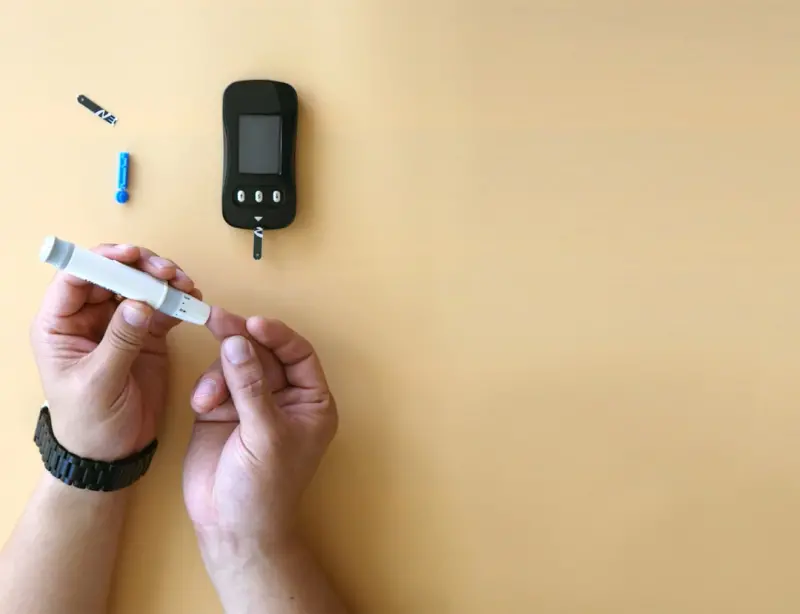
Re‑imagining Prediabetes: Tiny Levers for Big Metabolic Shifts
A fresh, data‑driven approach to prediabetes that focuses on small daily adjustments—mindful foo... Read More

The Connection Between Prediabetes and Preventive Care: A Comprehensive Approach to Wellbeing
Prediabetes is a condition where blood sugar levels are higher than normal but not high enough to be... Read More
Reprogramming Prediabetes: Small Shifts That Rewrite Your Metabolic Story
Learn practical micro‑habits that target hidden glucose spikes, from desk‑dock stretches to digi... Read More
Top Posts

Rewiring Your Day: Practical Ways to Keep Blood Sugar Stable
Kelly shares her personal journey and data‑driven tactics, including stress‑reduction, laughter, gut microbiome support, meal timing, and simple movement, t...Read More

The Untapped Power of Health Insurance for Preventive Wellness
A deep dive into using health insurance beyond claims, focusing on prevention, mental health coverage, and strategies for the modern workforce....Read More

When Your Gut Starts Talking: Decoding the Signals for Better Health
Your gut is a constant communicator, sending cues about stress, nutrition, and overall well‑being. This guide teaches you how to decode those signals, build a...Read More

Game On: Turning Prediabetes Management into a Playful Challenge
Learn to treat prediabetes like a game—using points, quests, leaderboards, and real‑time feedback to turn daily health choices into an engaging, sustainable...Read More
0 Comments
Post Comment
You will need to Login or Register to comment on this post!