

When I first started exploring the hidden power of my own body, I realized that the liver—often dubbed the “quiet workhorse”—deserves a standing ovation. It’s the organ that silently detoxifies, stores nutrients, and balances hormones while you’re busy juggling meetings, kids, and that ever‑growing to‑do list. Yet, most of us treat it like the background music in a movie—present, but never the star of the show. This post is my invitation to shift that narrative, to give your liver the spotlight it craves, using rhythm, food, and mindful habits that feel more like self‑care rituals than chores.
Why the Liver Deserves More Than a “Once‑a‑Year” Check‑In
The liver is a metabolic marvel. It processes everything you ingest—alcohol, sugar, fats, medications—turning potential toxins into harmless compounds or exporting them for elimination. It also manufactures proteins like albumin and clotting factors, regulates blood glucose, and stores vitamins A, D, E, K, and B12. Because of this multitasking, chronic stress, poor diet, and irregular sleep can quietly wear it down.
Research shows that lifestyle factors such as inconsistent meal timing, high‑fructose intake, and chronic cortisol spikes can disrupt the liver’s natural regenerative cycle. In other words, your liver is not a “set it and forget it” organ; it thrives on rhythm, nourishment, and a calm internal environment.
The Beat of the Body: Aligning Your Circadian Rhythm With Liver Health
One of the most under‑appreciated tools for liver wellness is your body’s internal clock. The liver follows a circadian rhythm that peaks in its detoxifying activity during the night while you sleep. If you habitually eat late, binge on sugary snacks after 8 p.m., or stay up scrolling until dawn, you’re essentially asking your liver to work overtime when it’s supposed to be in “maintenance mode.”
- Set a culinary curfew. Aim to finish your last substantial meal at least three hours before bedtime. This gives your liver a clear window to focus on detoxification rather than digestion.
- Morning sunlight. Exposure to natural light within the first hour of waking helps synchronize your central clock, indirectly supporting liver enzymes that follow the day‑night cycle.
- Consistent sleep schedule. Even on weekends, try to keep your bedtime and wake‑time within a 30‑minute window. Consistency reinforces the liver’s nightly repair processes.
Fermented Foods: The Micro‑Allies That Talk to Your Liver
While the liver handles the heavy lifting of detox, the gut microbiome can act as a supportive squad. Fermented foods—think kimchi, sauerkraut, kefir, and miso—introduce beneficial bacteria that produce short‑chain fatty acids (SCFAs) like butyrate. These SCFAs have been shown to reduce inflammation and improve the integrity of the gut lining, which in turn lessens the liver’s exposure to endotoxins that trigger fatty liver disease.
Here’s a simple way to integrate fermented foods without feeling like you’re starting a culinary boot camp:
- Kick‑start with a probiotic drink. A cup of kefir or kombucha each morning can set a friendly tone for your digestive tract.
- Snack on a spoonful of sauerkraut. It’s low‑calorie, packed with vitamin C, and offers a tangy punch that satisfies cravings for salty snacks.
- Swap the side salad for kimchi. Use kimchi as a topping for rice bowls, tacos, or even scrambled eggs for a probiotic boost.
When you pair these gut‑friendly choices with a regular eating schedule, you create a “gut‑liver axis” that works in harmony rather than at cross‑purposes.
Mindful Cooking: Turning the Kitchen Into a Sanctuary
Cooking can be a meditation, a chance to engage all five senses while feeding your body and your liver. Here are a few mindful cooking practices that double as liver‑loving habits:
- Choose liver‑friendly fats. Opt for extra‑virgin olive oil, avocado oil, or ghee. These fats are less likely to overload the liver’s processing pathways compared to heavily processed vegetable oils.
- Embrace the “rainbow” principle. A colorful plate means a variety of phytochemicals—antioxidants that protect liver cells from oxidative stress.
- Gentle cooking methods. Steaming, poaching, or quick sautéing preserve nutrients better than deep‑frying, reducing the liver’s burden of breaking down damaged compounds.
As you chop, sauté, and plate, try to stay present: notice the sizzle, inhale the aroma, and feel the textures. This mindfulness lowers cortisol, which is a hidden enemy of liver health.
Nature Therapy: Forest Bathing and the Liver’s Stress Reset
There’s a growing body of evidence that spending time in green spaces can lower blood pressure, improve heart rate variability, and, crucially, reduce the production of stress hormones that tax the liver. Forest bathing—or “shinrin‑yoku”—is a Japanese practice of immersing yourself in a forest environment, breathing in phytoncides (plant‑derived compounds) that have anti‑inflammatory effects.
Even if you live in an urban apartment, you can recreate a mini‑forest experience:
- Indoor plants. Keep a collection of hardy plants like spider plants, pothos, or peace lilies. They improve air quality and offer a visual cue to relax.
- Green walks. Schedule a 20‑minute walk in a nearby park three times a week. Focus on the sounds of leaves rustling and the scent of earth after rain.
- Digital detox. During these walks, leave your phone in your pocket or, better yet, at home. Let the natural world be your primary sensory input.
These simple habits can dramatically lower the cortisol spikes that otherwise push the liver into overdrive.
Integrating Small, Consistent Actions: The Power of Tiny Shifts
When it comes to liver health, the cumulative effect of tiny, consistent actions outweighs occasional grand gestures. Think of each habit as a drop in a bucket; over time, the bucket fills, and the change becomes visible. For inspiration, consider tiny mental shifts that have transformed emotional wellbeing—apply the same principle to your liver.
Here are five “micro‑habits” you can adopt today:
- Hydration checkpoint. Drink a glass of water first thing in the morning and another mid‑morning. Proper hydration supports the liver’s filtration function.
- Herbal ally. Incorporate dandelion root tea or milk thistle extract into your routine. Both have traditional uses for supporting liver detox pathways.
- Movement pause. Every hour, stand up and do a 30‑second stretch or a few deep breaths. This encourages blood flow to the liver and reduces sedentary stress.
- Evening gratitude. Write down three things you’re grateful for before bed. This simple practice lowers stress hormones, giving your liver a calmer environment to repair.
- Mindful portioning. Use a smaller plate and aim for a balanced plate: half vegetables, quarter lean protein, quarter whole grains or healthy fats.
Beyond the Plate: Lifestyle Choices That Echo in Liver Health
While diet and sleep are the headline acts, other lifestyle choices can subtly influence liver function:
- Limit alcohol. Even moderate consumption can accumulate damage over years. If you do drink, follow the “no‑daily‑drink” rule and opt for low‑congener spirits like gin or vodka.
- Avoid environmental toxins. Choose natural cleaning products, filter tap water, and minimize exposure to pesticides.
- Stay active. Regular aerobic exercise improves insulin sensitivity, reducing the risk of non‑alcoholic fatty liver disease (NAFLD).
Technology‑Free Tools: When Data Isn’t the Answer
In an age of wearables and health apps, it’s tempting to obsess over every metric. However, for liver health, a technology‑free approach can be liberating. Instead of tracking every calorie, focus on the quality of your meals, your sleep consistency, and your stress levels. The absence of constant data streams can lower anxiety, which—ironically—helps the liver function better.
If you’re looking for inspiration on balancing tech and wellness, you might explore digital boundaries as a strategy to protect mental and physiological health.
Connecting the Dots: From Longevity Mindset to Liver Longevity
The principles that fuel a longevity mindset—curiosity, challenge, and connection—are equally applicable to liver care. Curiosity drives you to learn about new foods and rituals; challenge pushes you to adopt consistent habits; connection reminds you that your liver’s health is intertwined with your overall lifestyle and community support.
By weaving these three pillars into your daily routine, you create a resilient, adaptable liver that can bounce back from occasional indulgences and thrive in the long run.
Putting It All Together: A Sample Day for Liver Love
Here’s a realistic snapshot of how you might integrate the concepts above into a typical weekday:
- 6:30 am – Sunrise Stretch. Open your curtains, sip a glass of water, and do a 5‑minute gentle stretch while listening to birdsong.
- 7:00 am – Probiotic Boost. Enjoy a cup of kefir with a sprinkle of cinnamon.
- 8:00 am – Balanced Breakfast. A bowl of steel‑cut oats topped with berries, chia seeds, and a dollop of almond butter.
- 12:30 pm – Mindful Lunch. A quinoa salad with mixed greens, roasted carrots, avocado, and a side of kimchi.
- 3:00 pm – Movement Pause. Stand, stretch, and take three deep breaths.
- 6:00 pm – Evening Meal. Grilled salmon (rich in omega‑3s) with steamed broccoli and a drizzle of olive oil; finish with a small serving of sauerkraut.
- 8:30 pm – Digital Sunset. Power down devices, write three gratitude notes, and read a book.
- 10:00 pm – Bedtime Ritual. Light stretching, a cup of dandelion tea, and lights out.
Notice how each element—hydration, probiotics, balanced macronutrients, movement, stress reduction, and sleep—contributes to a supportive environment for your liver.
Final Thoughts: Celebrate the Quiet Hero Within
Your liver may not demand applause, but it certainly deserves it. By aligning your daily rhythm, feeding it with fermented allies, practicing mindful cooking, and giving it a stress‑free environment, you’re not just preventing disease—you’re cultivating a vibrant, resilient version of yourself. The next time you sip a glass of water, take a breath, or savor a bite of kimchi, remember: you’re nurturing the silent workhorse that keeps you thriving.

Brandy Miller is a dynamic freelance writer based in the vibrant city of Cambridge, Ontario. With a passion for storytelling that knows no bounds, she crafts compelling narratives that captivate and inspire. Brandy’s love for writing shines through in her versatile work, whether she’s penning thought-provoking articles or engaging content that resonates with readers. Her unique perspective and friendly tone make her a sought-after voice in the writing community. When she’s not weaving words together, you can find her exploring the beautiful landscapes of Ontario, always seeking new adventures and inspiration for her next piece. Brandy is not just a writer; she’s a creative force, making her mark one word at a time.
Related Posts
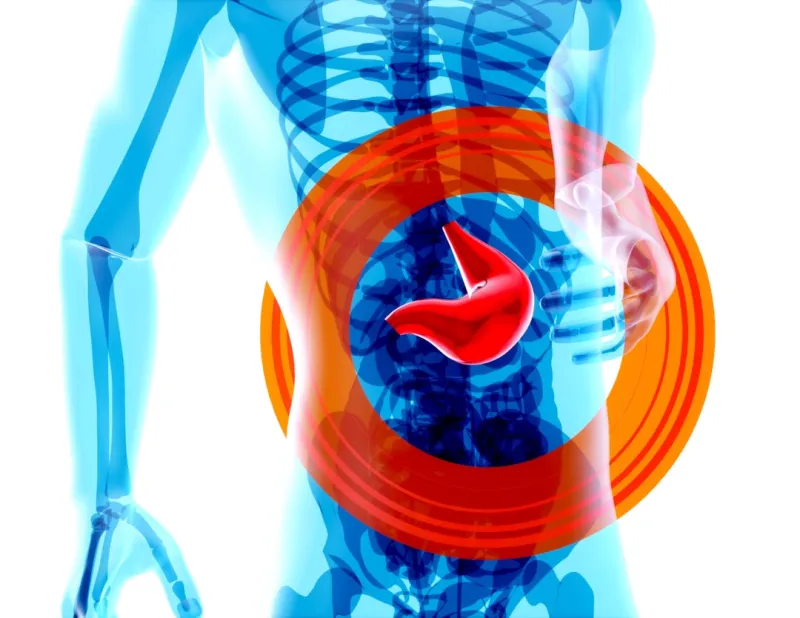
Nurturing Your Liver in 2026: A Holistic Blueprint for Vitality
Explore a holistic 2026 liver‑care blueprint that blends diet, movement, stress management, and sl... Read More
Night‑Shift Nutrition: Aligning Your Lifestyle with the Liver’s Natural Clock
Discover practical lifestyle tweaks—early evenings, screen curfews, targeted nutrition, and mindfu... Read More
Unlocking Liver Vitality: Everyday Habits for a Resilient Organ
A comprehensive guide to nurturing your liver through smart nutrition, stress reduction, gut health,... Read More
Top Posts

Beyond the CPAP: A Data‑Driven, Biofeedback Approach to Taming Sleep Apnea
Discover a fresh, three‑pronged plan to conquer sleep apnea using real‑time data, biofeedback breathing, and targeted environmental changes, empowering you ...Read More

Blood Sugar as a Decision Engine: Real‑Time Data for Executive Edge
Treat glucose as a live decision engine: learn to use continuous monitoring, timing of protein‑rich meals, and hydration to keep blood sugar stable, enhance f...Read More

The Sound of Calm: How Ambient Audio Can Lower Blood Pressure
Learn how the right ambient sounds, from low‑frequency tones to binaural beats, can quietly lower blood pressure, and get practical steps to create a calming ...Read More

Holistic Muscle Gain: My Blueprint for Sustainable Strength
I share my proven, holistic roadmap to muscle growth—combining smart training, nutrient timing, and mental hacks—to help you pack on lean mass sustainably....Read More
0 Comments
Post Comment
You will need to Login or Register to comment on this post!