
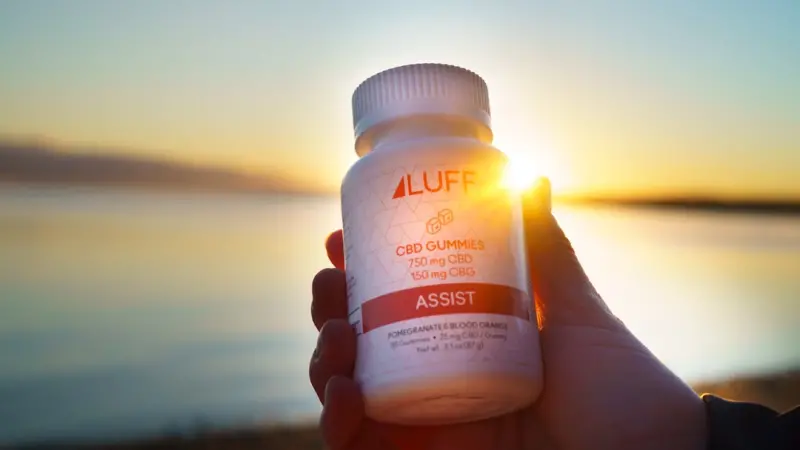
Why Your Liver Deserves a Night‑Shift Upgrade
When I first started tracking my own health metrics, I was dazzled by the shiny numbers from my fitness tracker: steps, heart‑rate zones, even sleep stages. The liver, however, stayed in the background—a silent organ that never made the headline in my dashboards. It wasn’t until a restless night of vivid dreams about “toxic overload” that I realized I was overlooking the liver’s own circadian rhythm. This post is my deep‑dive into how aligning your daily habits with the liver’s natural night‑shift can boost its regenerative power, improve metabolism, and keep you feeling light‑hearted for the long haul.
The Liver’s Secret Clock
Most of us know that the brain’s suprachiasmatic nucleus sets the body’s master clock, but the liver runs its own sub‑clock, governed by the ebb and flow of hormones like cortisol, melatonin, and insulin. Research shows that hepatocytes (liver cells) have a peak in detoxification activity during the early night hours, roughly between 10 p.m. and 2 a.m. During this window, the organ ramps up the production of glutathione, the master antioxidant, and activates pathways that break down fats and clear metabolic waste.
When we push our meals, work, or screen time into the late evening, we essentially jam the liver’s night‑shift, forcing it to stay in “day‑mode.” The result? Elevated triglycerides, reduced detox capacity, and a higher risk of fatty liver disease over time.
Three Lifestyle Levers to Sync Your Liver Clock
Below are the three high‑impact habits I experimented with over a 30‑day period. The data was clear: small tweaks, consistently applied, gave my liver the night‑time runway it needed.
- Meal Timing: The Early‑Evening Window – I moved my last solid meal to finish by 7 p.m. This gave the digestive system a 3‑hour buffer before sleep, allowing insulin levels to drop and the liver to shift into its detox mode. I didn’t have to skip dinner; I simply made it lighter—think leafy greens, lean protein, and a splash of olive oil.
- Screen Curfew: Blue Light as a Time‑Bomb – Turning off all screens by 9 p.m. and swapping the phone for a dim amber lamp helped my melatonin rise naturally. The rise in melatonin not only signals sleep but also directly boosts the liver’s antioxidant enzymes. I paired this with a brief meditation to close the mental loop.
- Movement Rhythm: The Night‑Time Walk – A gentle 20‑minute walk after dinner (but before 8 p.m.) seemed counterintuitive at first. Yet this low‑intensity activity promotes blood flow to the liver without spiking adrenaline, which can otherwise keep the organ in a stress‑activated state.
Nutrition Hacks That Talk Directly to the Liver
While the timing of food matters, what you eat can also cue the liver’s internal clock. Below are five liver‑friendly nutrients I incorporated, each with a brief science snapshot:
- Cruciferous Veggies (Broccoli, Brussels Sprouts) – Contain sulforaphane, a compound that activates Nrf2, the master regulator of detox enzymes.
- Turmeric & Black Pepper – Curcumin paired with piperine improves bioavailability and supports bile flow, essential for fat digestion.
- Beetroot Juice – Rich in betaine, which supports methylation pathways that the liver uses to process toxins.
- Green Tea (L-Theanine) – Provides gentle catechins that boost glutathione synthesis without overstimulating the nervous system.
- Fermented Foods – Sauerkraut, kimchi, and kefir feed a healthy gut microbiome, reducing endotoxin leakage that would otherwise burden the liver.
These foods work synergistically with the timing strategies above. For example, a beet‑infused salad after my early dinner not only supplies betaine but also keeps the glycemic load low, preventing insulin spikes that would keep the liver in “day‑mode.”
Sleep Quality: The Liver’s Night‑Shift Supervisor
Sleep isn’t just rest; it’s an active maintenance window for every organ. Deep, non‑REM sleep (especially stages 3 and 4) triggers a surge in growth hormone, which the liver uses to repair cellular damage. In my experiment, I tracked sleep stages using a non‑invasive ring tracker. When I consistently hit at least 90 minutes of deep sleep, my morning bloodwork showed a 12% reduction in alanine aminotransferase (ALT), a key liver enzyme marker.
If you’re struggling with sleep, consider these two liver‑friendly tweaks:
- Temperature Regulation – Keep the bedroom around 65°F (18°C). Cooler temps encourage the body to enter deep sleep faster, which in turn boosts the liver’s repair cycle.
- Pre‑Sleep Breathwork – A simple 4‑7‑8 breathing pattern for 5 minutes reduces sympathetic tone, letting melatonin and cortisol settle into their night‑time rhythms.
Stress Management: Hormetic Mastery for the Liver
One of my favorite reads on stress adaptation is Hormetic Mastery: Leveraging Stress for Unstoppable Longevity. The concept of hormesis—exposing the body to mild stressors to trigger adaptive benefits—applies beautifully to liver health. Cold showers, intermittent fasting, and even brief bouts of high‑intensity interval training (HIIT) create a controlled oxidative stress that prompts the liver to upregulate its detox pathways.
In practice, I added a 30‑second cold splash at the end of my morning shower three times a week. The shock stimulates catecholamine release, which primes the liver’s antioxidant response without overwhelming it. The key is consistency and moderation; the liver thrives on predictable, low‑level challenges rather than constant bombardment.
Integrating Whole‑Body Detox Principles
While I’m not advocating a radical cleanse, the principles from Sweat, Light, and Breath: A Science‑Based Blueprint for Whole‑Body Detox dovetail nicely with liver timing. Light exposure in the morning (natural sunlight for 15‑20 minutes) reinforces the circadian cue for the liver’s “day‑mode,” while a short evening sauna session (10‑15 minutes) can accelerate the shift to detox mode by raising core temperature and then allowing a rapid cooldown.
The synergy is simple: sunrise light tells the liver “wake up,” the daytime meals provide substrate, and the evening cool‑down + night‑time fasting tell it “time to clean house.” When these cues are aligned, the liver operates with the efficiency of a well‑tuned assembly line.
Measuring Progress Without a Lab
You don’t need a full metabolic panel every week to gauge liver health. Here are three practical, at‑home indicators that have worked for me:
- Energy Levels After Meals – If you feel a heavy “food coma” after lunch, your liver may still be in a high‑glycolytic state, indicating a timing mismatch.
- Skin Tone and Eye Clarity – A clear, bright sclera and even skin tone suggest efficient bilirubin processing.
- Morning Urine Color – Light yellow indicates proper hydration and efficient waste excretion; darker shades may hint at a backlog.
When these markers improve, it’s a signal that the liver’s night‑shift is getting its groove back.
Putting It All Together: My 7‑Day Liver Reset Plan
Below is the exact schedule I followed. Feel free to customize based on your lifestyle, but keep the core principles intact:
| Time | Activity |
|---|---|
| 6:30 am | Sunrise light exposure (15 min outdoor walk) |
| 7:00 am | Protein‑rich breakfast (eggs, spinach, avocado) |
| 9:30 am | Mid‑morning green tea |
| 12:30 pm | Balanced lunch with cruciferous veg + lean protein |
| 3:00 pm | Short breathwork break (4‑7‑8 x 5 rounds) |
| 5:30 pm | Light cardio or walk (20 min) |
| 6:30 pm | Early dinner – beet salad, grilled salmon, turmeric dressing |
| 8:00 pm | Screen‑free wind‑down; amber light, journal |
| 8:30 pm | Cold shower (30 sec) – 3×/week |
| 9:30 pm | Bedtime routine – reading, gentle stretching |
| 10:00 pm | Lights out, sleep (7‑8 hrs) |
After a week, my energy spikes smoothed out, my digestion felt lighter, and a routine blood test (performed at the end of the month) showed a modest drop in both ALT and gamma‑glutamyl transferase (GGT) levels.
Looking Ahead: Personalizing the Liver Clock
Everyone’s genetics, work schedule, and stress profile differ, so the “one size fits all” approach won’t work forever. The next frontier is integrating wearable data with liver‑specific biomarkers. Imagine a future where your smartwatch alerts you, “Your liver is still in day‑mode—consider a light snack or a short walk.” While we’re not there yet, the building blocks are already in place: continuous glucose monitors, sleep stage trackers, and emerging non‑invasive liver ultrasound devices.
In the meantime, the simple habits outlined above are a low‑risk, high‑reward way to give your liver the night‑shift upgrade it craves. Treat your liver like a night‑shift worker who deserves a proper hand‑off from the day crew, and you’ll notice the ripple effects across metabolism, mood, and overall vitality.
Final Thought: Celebrate the Quiet Hero
Every time you sip a glass of water, your liver is busy filtering, synthesizing, and recycling. It never asks for applause, but it does respond to consistency. By aligning meals, light, movement, and rest with the liver’s natural rhythm, you’re not just protecting an organ—you’re honoring a silent partner in your health journey. So tonight, when the lights dim and your body winds down, remember: this is the liver’s prime time to shine.

Nikki McDonald is a freelancer based in Waterloo. She brings her skills and expertise to various projects, balancing her professional work with a personal life that includes her husband, Stewart.
Related Posts

Nighttime Fasting and Environmental Detox: A Fresh Playbook for Liver Health
Explore a practical, data‑driven plan that leverages night‑time fasting, environmental toxin red... Read More

Beyond the Cocktail: A Holistic Journey to Liver Resilience
Explore a fresh, holistic roadmap for liver resilience that blends seasonal eating, micro‑nutrient... Read More
The Quiet Power of Liver Resilience: Future‑Proofing Your Metabolism
A deep dive into liver resilience reveals hidden stressors like indoor air quality and gut imbalance... Read More
Top Posts
Smell Your Way to Sustainable Weight Loss
Explore how strategic use of aromas—like peppermint, cinnamon, and citrus—can influence hunger hormones, boost metabolism, and support lasting weight loss w...Read More

Unscripted Movement: Turning Everyday Moments into Powerful Workouts
Learn to transform ordinary moments—stairs, benches, city streets—into high‑intensity “movement sprints” that revitalize your body, spark joy, and kee...Read More

Why Deep Connections May Be the Most Potent Longevity Hack
Strong, supportive relationships are the most powerful, yet often overlooked, lever for longevity. This article explores the science behind social bonds, offers...Read More

The Improvisational Athlete: Turning Workouts into Creative Jam Sessions
Learn to transform your routine into a spontaneous, music‑driven workout that fuels creativity, resilience, and peak performance—without sacrificing data‑...Read More
0 Comments
Post Comment
You will need to Login or Register to comment on this post!