

Why Physical Activity Is the Missing Piece in Emotional‑Intelligence Leadership
When I first stepped onto a corporate stage as a keynote speaker, I was armed with data, frameworks, and a polished slide deck. Yet, the feedback that stuck with me wasn’t about the numbers; it was about the energy in the room. A leader who moved confidently, breathed deeply, and seemed genuinely present can command attention in a way that spreadsheets never can. Over the years, I’ve watched a subtle but powerful pattern emerge: executives who prioritize intentional movement—whether it’s a brisk walk before a meeting or a quick body‑weight circuit during a break—consistently demonstrate higher emotional intelligence (EI). This isn’t a coincidence; it’s a physiological feedback loop that reshapes how the brain processes feelings, reads social cues, and makes decisions.
The Science Behind Sweat and Social Savvy
Exercise triggers a cascade of neurochemical events that go far beyond the classic “endorphin rush.” When muscles contract, they release myokines—proteins that cross the blood‑brain barrier and influence the prefrontal cortex, the region responsible for self‑regulation, empathy, and perspective‑taking. Simultaneously, cardio‑based activities boost heart‑rate variability (HRV), a reliable marker of autonomic nervous system balance. Higher HRV is linked to greater stress tolerance and a calmer response to interpersonal conflict.
In practical terms, a leader who incorporates regular movement can:
- Read micro‑expressions more accurately. A well‑oxygenated brain processes facial cues with less noise.
- Regulate their own emotional spikes. Elevated HRV translates into a steadier voice and measured gestures.
- Maintain focus during high‑stakes negotiations. Physical activity improves dopamine signaling, which sharpens attention and reduces tunnel vision.
From Theory to Boardroom: Building a Movement‑Centric Leadership Routine
Integrating exercise into a leadership schedule doesn’t require a full‑blown gym overhaul. The goal is to create movement anchors—predictable, short bouts of activity that reset the nervous system and prime the brain for emotional acuity.
1. The Pre‑Meeting Power Walk
Spend 10 minutes walking outside or in a hallway before any high‑impact meeting. Focus on breath, observe the environment, and let your mind wander without judgment. This simple ritual does three things:
- Elevates norepinephrine, sharpening alertness.
- Allows the brain to transition from “task‑mode” to “people‑mode.”
- Creates a mental buffer that reduces the likelihood of reactive responses.
2. The “Micro‑Circuit” Break
During long strategy sessions, schedule a 3‑minute micro‑circuit: 10 air squats, 10 push‑ups, 10 alternating lunges, and a quick stretch. The rapid shift in muscle engagement spikes blood flow to the prefrontal cortex, giving you a fresh perspective on the discussion at hand.
3. The Reflection Cool‑Down
After a challenging conversation, allocate 5 minutes to gentle movement—think yoga cat‑cow flows or slow neck rotations. Pair this with a brief journaling prompt: “What emotion surfaced for me? How did my body feel?” This embodied reflection turns abstract feelings into concrete data points you can act upon.
Data‑Driven Movement: Measuring Impact on Emotional Intelligence
Leaders love metrics, so why not apply the same rigor to movement? By pairing wearable technology with reflective journals, you can construct a feedback loop for performance that quantifies the relationship between physical activity and EI markers such as:
- HRV trends before and after movement sessions.
- Self‑reported empathy scores in 360‑degree reviews.
- Frequency of “reactive” language detected in meeting transcripts.
When you see, for example, a 12% rise in HRV correlating with higher empathy scores, the data becomes a compelling case for institutionalizing movement practices across the leadership cohort.
Fueling the Body, Fueling the Mind
Physical activity alone isn’t enough; the brain’s ability to process emotions is also heavily dependent on nutrition. While I’m not a dietician, I’ve observed that leaders who pair movement with nutrient‑dense meals experience a smoother cognitive transition between analytical and relational tasks. A concise fueling strategy that emphasizes omega‑3 fatty acids, complex carbs, and antioxidants supports the same myokine pathways activated during exercise, creating a synergistic loop of mental clarity and emotional balance.
Overcoming Common Barriers
Even the most well‑meaning executives encounter resistance. Below are the three most frequent excuses and how to neutralize them:
- “I don’t have time.” Reframe movement as a productivity tool, not a luxury. A 5‑minute walk is a micro‑investment that yields a measurable increase in decision‑making speed.
- “I’m not athletic.” Emphasize that EI‑focused movement is about intentionality, not performance. Body‑weight exercises and walking require no prior skill.
- “Our culture values hustle, not rest.” Highlight research showing that high‑performing teams embed recovery cycles. Position movement as a competitive advantage, not a sign of weakness.
Case Study: The “Movement‑First” Boardroom
At a mid‑size tech firm I consulted for, the executive team adopted a “Movement‑First” policy:
- Every weekly leadership meeting began with a 7‑minute walk.
- Quarterly off‑sites included a “Active Insight” session where teams solved challenges while on a light hike.
- Each leader logged HRV and emotional self‑ratings in a shared dashboard.
Within six months, the company reported:
- A 15% reduction in inter‑departmental conflicts.
- An increase of 8 points on the company‑wide empathy metric.
- Higher employee satisfaction scores, particularly around leadership transparency.
The data suggested that the simple act of moving together created a shared physiological baseline, making it easier for leaders to read each other’s signals and respond with authenticity.
Designing an Office Ecosystem That Encourages Movement
Physical space can either inhibit or amplify the movement‑EI connection. Consider these low‑cost interventions:
- Standing meeting zones. Replace traditional conference tables with high tables that encourage standing, fostering a more dynamic energy flow.
- Walking‑talk stations. Install a short, safe corridor with a clear “conversation path” sign, prompting teams to discuss ideas while strolling.
- Quiet stretch pods. Small, carpeted alcoves with yoga blocks and calming lighting give leaders a place to reset after intense discussions.
When the environment signals that movement is welcome, employees internalize that cue, gradually making it a cultural norm rather than an isolated practice.
Integrating Breathwork for Deeper Emotional Regulation
While the focus here is on exercise, pairing movement with intentional breathing can magnify EI benefits. Simple box‑breathing (inhale‑hold‑exhale‑hold for four seconds each) performed before a high‑stakes negotiation reduces amygdala reactivity, allowing the leader’s rational brain to dominate the conversation. This technique dovetails nicely with short movement breaks, creating a “reset‑and‑refocus” combo that feels natural and powerful.
Future Outlook: Movement as a Core Leadership Competency
Just as data literacy has become a non‑negotiable skill for modern managers, movement literacy will soon be a baseline expectation. Training programs for emerging leaders are beginning to incorporate “Physical Intelligence” modules—curricula that teach how to harness body‑based cues, design personal movement routines, and interpret physiological data for better people management.
By embracing this shift now, you position yourself at the forefront of a leadership evolution that values embodied cognition as much as strategic thinking. The result? Teams that feel seen, heard, and energetically aligned, driving higher performance without the burnout that plagues many high‑growth organizations.
Action Steps to Start Your Movement‑EI Journey
- Audit your current schedule. Identify three natural gaps where a 5‑minute movement break could fit.
- Choose a movement anchor. Whether it’s a pre‑meeting walk or a post‑call stretch, commit to it for two weeks.
- Pair with a simple metric. Log HRV, self‑rated empathy, or even a quick mood emoji after each session.
- Iterate. Review the data weekly and adjust the type or timing of movement based on what improves your emotional read‑outs.
- Scale. Share your findings with peers and propose a pilot program for your team or department.
The journey from “exercise as a personal habit” to “exercise as a strategic leadership tool” is shorter than you think. It starts with a single step—literally.

Lifan Chen is a freelancer based in Toronto specializing in marketing. With expertise in crafting effective marketing strategies and campaigns, Lifan helps businesses grow their brand presence and reach target audiences. As a Toronto-based freelancer, Lifan combines local market insights with creative marketing skills to deliver tailored solutions for clients.
Related Posts

Turn Everyday Spaces into Mini-Workout Arenas
Discover a practical approach to fitness by turning ordinary rooms and hallways into mini‑workout ... Read More
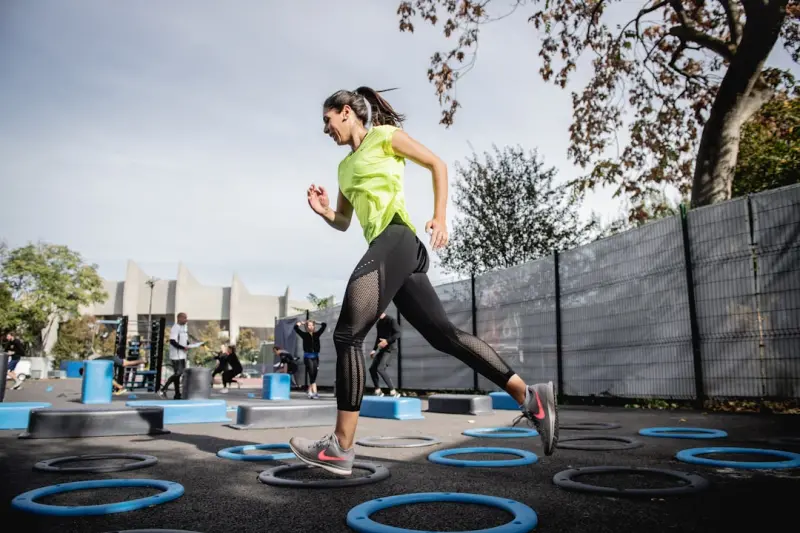
When Exercise Becomes Your Brain’s Playground
Discover how framing exercise as a series of playful, short “Movement Curiosity Sessions” can bo... Read More
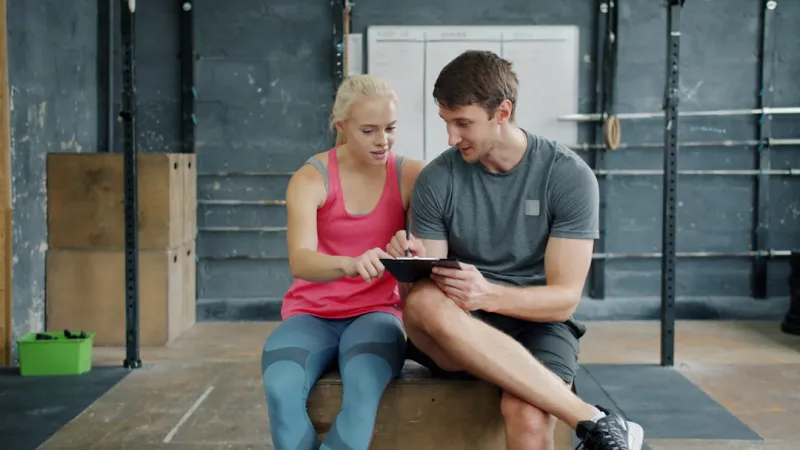
Tom Ferguson’s Holistic Fitness Playbook for 2024
Tom Ferguson shares a holistic fitness blueprint that blends movement, nutrition, sleep, mindset, an... Read More
Top Posts

Unlocking Everyday Energy: A Holistic Self‑Care Guide
Explore a comprehensive holistic self‑care routine that balances nutrition, movement, sleep, and mental wellness to unlock lasting daily energy....Read More

Colorful Nutrition: Boost Energy, Mood, and Performance with Food Pigments
Learn why the colors on your plate matter, how to synchronize pigment intake with your daily rhythm, and practical steps to turn every meal into a performanceâ€...Read More
The Gut‑Liver Axis: Small Moves, Big Wins for Hepatic Health
A fresh look at liver health focuses on the gut‑liver axis, wearable insights, and tiny lifestyle tweaks that together protect the organ and improve overall w...Read More

Why Light, Purpose, and Gentle Motion Matter More Than You Think for a Longer Life
Learn why natural daylight, a clear sense of purpose, and low‑intensity movement are the three pillars that together create a powerful longevity strategy, and...Read More
0 Comments
Post Comment
You will need to Login or Register to comment on this post!