
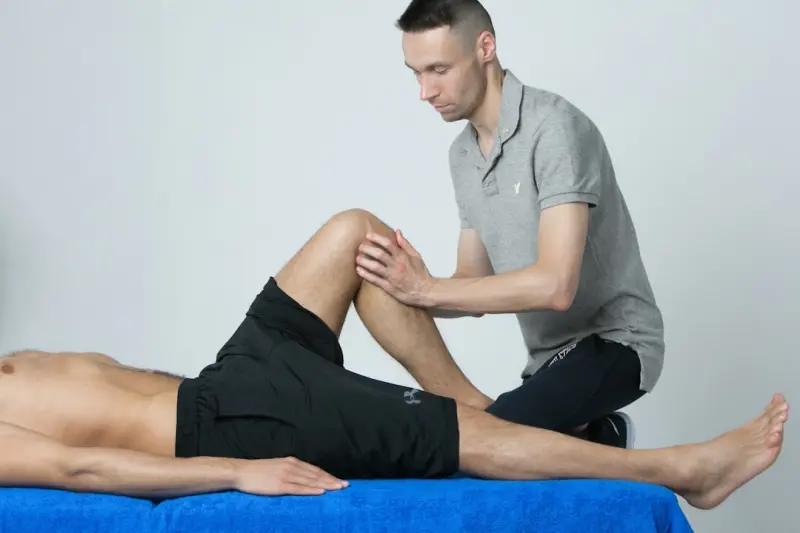
Why Physiotherapy Needs a Hybrid‑Work Upgrade
When I first stepped onto the clinic floor, my day was a predictable parade of appointments, manual stretches, and the occasional sigh of relief from a patient finally standing tall again. Fast‑forward a few years, and the landscape has morphed dramatically. The rise of hybrid work—half‑in‑office, half‑remote—has turned desks into de‑facto therapy tables, and coffee breaks into impromptu stretching sessions. As a physiotherapist who’s spent over a decade helping bodies move better, I’ve watched the office evolve from a static cubicle farm into a fluid, ergonomically‑challenged playground. It’s time we re‑imagine physiotherapy for this new reality.
The Hidden Cost of “Sitting‑All‑Day” Culture
Most of us still cling to the myth that a good job is measured in hours logged, not in movement logged. The reality, however, is that prolonged sitting triggers a cascade of musculoskeletal imbalances: tightened hip flexors, weakened glutes, slouched thoracic spines, and a nagging lower‑back ache that never quite goes away. The problem isn’t just discomfort; it’s a silent contributor to reduced productivity, higher absenteeism, and long‑term degenerative issues.
What’s more, the brain isn’t a passive observer. Extended stillness dulls proprioceptive feedback—the internal sense of where our bodies are in space—making us less aware of posture and more prone to micro‑injuries. In short, the sedentary office is a perfect storm for chronic pain, and the traditional “once‑a‑week” physiotherapy visit can’t keep up.
Micro‑Movement: The New Prescription
Think of micro‑movement as the espresso shot of physiotherapy: small, potent, and delivered throughout the day. Instead of a 30‑minute session that ends with a patient walking out feeling great for a few hours, we’re talking about multiple, intentional movement breaks that reset the body’s alignment every 45‑60 minutes.
- Hip‑Flexor Release (30 seconds): Stand, place one hand on a sturdy surface for balance, and gently lean the opposite hip forward until you feel a stretch. Hold and breathe.
- Thoracic Extension (45 seconds): Sit on the edge of your chair, interlace fingers behind your head, and press your elbows back while arching gently. This opens the chest and counteracts forward‑head posture.
- Glute Activation (60 seconds): While seated, squeeze your glutes as if you’re holding a tiny ball between them. Release and repeat—this re‑engages muscles that become dormant while you sit.
These moves are simple enough to do on a video call without drawing attention, yet they pack a physiological punch that can reduce muscle stiffness, improve circulation, and keep the nervous system tuned.
Technology as Your Physiotherapy Ally
We live in an era where a smartwatch can track heart rate variability, a phone can remind you to stand, and AI can analyze your gait. Leveraging these tools bridges the gap between in‑person sessions and everyday life.
Wearable posture monitors vibrate when you slouch, prompting an instant correction. Desk‑mounted resistance bands let you perform strength exercises while you answer emails. Even virtual reality (VR) platforms are emerging, offering guided, immersive movement routines that feel less like therapy and more like a game.
When paired with regular check‑ins—either through a telehealth platform or a quick photo upload—these technologies enable a continuous care model. Think of it as a physiotherapy dashboard that updates in real time, allowing both therapist and client to adjust the plan on the fly.
Neuro‑Plasticity: The Brain‑Body Conversation
Physiotherapy isn’t just about muscles and joints; it’s about the nervous system’s ability to rewire itself. This concept—neuro‑plasticity—means that with the right stimuli, the brain can develop new pathways to improve movement patterns.
One of my favorite ways to harness this is through sensory‑rich, purposeful movement. For example, while performing a simple squat, I ask patients to focus on the pressure under their feet, the shift of weight, and the alignment of their shoulders. This mindful attention creates stronger neural connections, making the movement feel more natural over time.
Recent research highlights that integrating brain resilience strategies—such as varied sensory inputs and novelty—can accelerate recovery. So, swapping a monotonous desk stretch for a new balance exercise on a wobble board isn’t just a novelty; it’s a targeted brain‑boosting intervention.
Designing the Workspace for Movement
If you think ergonomics is only about a chair that supports the lumbar curve, think again. The physical environment can either encourage movement or enforce stillness. Small, intentional tweaks can make a huge difference:
- Standing Desks: Alternate between sitting and standing every 30 minutes. Use a timer to avoid “standing fatigue.”
- Mobile Workstations: Portable laptop trays let you work from a high table or a standing platform, breaking the visual monotony of a single workstation.
- Strategic Placement of Props: Keep a resistance band, a small foam roller, or a balance cushion within arm’s reach. The inconvenience of fetching them later becomes a prompt to use them now.
These adjustments echo the principles from smart space tweaks that support healthier habits. By turning the office into a movement‑friendly zone, we reduce the friction that stops people from exercising throughout the day.
The Role of Tele‑Physiotherapy
Remote consultations were once a niche offering for post‑surgical patients. Today, they’re a cornerstone for hybrid workers. Tele‑physiotherapy provides:
- Immediate Feedback: Real‑time video allows therapists to correct form as patients perform exercises at their desks.
- Personalized Home Programs: Therapists can design routines using items the client already has—office chairs, water bottles, or a backpack.
- Data‑Driven Adjustments: Integrated apps track range of motion and pain scores, feeding that data back into the care plan.
The biggest advantage? Flexibility. A busy professional can squeeze a 15‑minute check‑in between meetings, turning physiotherapy from a “once‑a‑month” event into a weekly—or even daily—support system.
Mind‑Body Integration: Breathing, Core, and Calm
In the hustle of back‑to‑back virtual meetings, stress spikes, and the body tenses up. Breath work—something often relegated to yoga studios—has a place in physiotherapy. A simple diaphragmatic breathing pattern, performed for a minute before a stretch, activates the parasympathetic nervous system, reduces muscle tension, and improves oxygen delivery.
Combine this with core engagement drills (think pelvic tilts, dead‑bugs, or seated abdominal bracing). A strong core stabilizes the spine, reduces the load on the lumbar region, and creates a foundation for every other movement.
Integrating these practices into micro‑movement breaks not only improves physical health but also sharpens mental focus—a win‑win for both employee wellbeing and productivity.
Building a Culture of Movement
Physiotherapy can’t succeed in isolation; it needs organizational buy‑in. Here’s how leaders can champion a movement‑first culture:
- Lead by Example: Executives who take standing breaks or lead a quick stretch session set the tone.
- Gamify Movement: Use apps that track steps or active minutes, rewarding teams for hitting collective goals.
- Provide Resources: Offer a stipend for ergonomic accessories or a subscription to a virtual physiotherapy platform.
- Normalize Breaks: Encourage “movement minutes” in meeting agendas, treating them as essential as agenda items.
When movement becomes a shared value, the benefits ripple—reduced sick days, higher morale, and a workforce that feels physically and mentally resilient.
Putting It All Together: A Sample Day
To illustrate how these pieces fit, here’s a snapshot of a hybrid worker’s day, infused with physiotherapy principles:
- Morning Check‑In (8:30 am): 10‑minute video session with a physiotherapist reviewing posture, setting micro‑movement goals, and adjusting the home‑office setup.
- First Work Block (9:00 am): 45‑minute focus sprint, followed by a 2‑minute micro‑movement break (hip‑flexor release, thoracic extension).
- Mid‑Morning (10:30 am): 5‑minute breathing and core activation routine before a virtual meeting.
- Lunchtime (12:00 pm): 15‑minute walk or light resistance band circuit outside, leveraging natural light for mood boost.
- Afternoon Session (2:00 pm): Standing desk work for an hour, interspersed with balance board stands for glute activation.
- Late Afternoon (4:30 pm): Quick video check‑in with a therapist via an app, uploading a short clip of a squat to assess form.
- Wrap‑Up (5:30 pm): 5‑minute mindful stretch, focusing on breathing and gratitude for body movement.
This rhythm transforms a static day into a dynamic, health‑centric experience, with physiotherapy woven seamlessly into the workflow.
Looking Ahead: The Future of Physiotherapy at Work
As hybrid work cements itself as the norm, physiotherapy will evolve from a reactive service to a proactive, data‑driven ecosystem. Expect:
- AI‑Powered Movement Analytics: Algorithms that detect subtle changes in gait or posture from webcam feeds, flagging issues before pain arises.
- Integrated Health Platforms: One dashboard that merges ergonomics, mental health, and physical therapy metrics, offering a holistic view of employee wellbeing.
- Community‑Driven Challenges: Company‑wide movement campaigns that foster camaraderie while improving musculoskeletal health.
We’re on the cusp of a paradigm shift where the office is no longer a static pit stop but a dynamic hub for ongoing physiotherapy. By embracing micro‑movement, technology, and brain‑body integration, we can safeguard our bodies, sharpen our minds, and sustain performance in the hybrid era.

Nikki McDonald is a freelancer based in Waterloo. She brings her skills and expertise to various projects, balancing her professional work with a personal life that includes her husband, Stewart.
Related Posts
Immersive Physiotherapy: How VR Is Redefining Rehab for Real‑World Recovery
Virtual reality is turning physiotherapy into an engaging, data‑rich experience that bridges the c... Read More
Proprioceptive Mastery: Redefining Physiotherapy for Faster Recovery
Proprioceptive training combined with wearable technology is revolutionizing physiotherapy. Learn wh... Read More
Fascia First: Unlocking Hidden Mobility for Desk‑Bound Professionals
Fascia, the connective tissue web, often gets ignored in workplace wellness. This article explains i... Read More
Top Posts

When Nightmares Go Wild: Navigating Sleep Terrors in a Wired World
Sleep terrors, often overlooked in adult health, are rising due to stress and digital overload. This deep dive unpacks their brain mechanisms, modern triggers, ...Read More

Community Ways to Lower Blood Pressure
Discover how building a supportive community, leveraging micro‑habits, and incorporating playful competition can sustainably reduce blood pressure, boost resi...Read More

When Shadows Stir: Unpacking Sleep Terrors From a Whole‑Person Lens
Sleep terrors are a physiological alarm that reveals hidden stress. This article breaks down the neuro‑biology, cultural scripts, and actionable strategies to...Read More

Breathing New Life into Sleep Apnea Management
Explore a fresh, breath‑focused approach to sleep apnea that blends simple techniques, lifestyle tweaks, and modern tracking to boost nightly recovery and ove...Read More
0 Comments
Post Comment
You will need to Login or Register to comment on this post!