

When the night feels like a battlefield and my mind launches an all‑out assault at 2 a.m., I’m reminded that not all nighttime disruptions are merely “bad dreams.” Sleep terrors—those raw, primal eruptions that wrench you from REM’s gentle sway—are the uninvited guests that most of us have only heard whispered about in pediatric manuals or horror‑film forums. As someone who spends his days dissecting data‑driven health trends and his evenings wrestling with the same neural circuitry that fuels a CEO’s midnight brainstorm, I’ve learned to treat sleep terrors not as a mysterious curse but as a signal worth decoding.
Defining the Unseen: What Exactly Is a Sleep Terror?
Sleep terrors, or night terrors, belong to the family of parasomnias—abnormal behaviors that arise during sleep. Unlike nightmares, which occur during REM sleep and are remembered upon waking, night terrors strike in the first third of the night, usually during deep non‑REM (N3) sleep. The sleeper may sit up, scream, thrash, and exhibit a surge of autonomic activity: heart rate spikes, pupils dilate, and the body releases a cocktail of stress hormones. Crucially, the person often has no recollection of the episode, waking instead with a lingering sense of dread.
Why Sleep Terrors Are Gaining Attention Now
For decades, night terrors were relegated to the pediatric realm—kids screaming in the hallway while parents scrambled for flashlights. In the past decade, however, a convergence of stress‑laden lifestyles, pervasive screen exposure, and the rise of hyper‑connected work environments has pushed these events into adult populations. A recent surge in self‑reported episodes across wellness forums suggests that the modern brain, constantly toggling between high‑stakes decision‑making and relentless digital stimuli, may be more prone to “reset” itself violently during the night.
The Neurobiology Behind the Panic
During deep N3 sleep, the brain’s thalamocortical networks are in a low‑frequency, high‑amplitude state, facilitating restorative processes. Yet, when the limbic system—our emotional epicenter—gets a jolt of cortisol or adrenaline, it can hijack this tranquility. The resulting dysregulation triggers a cascade: the hypothalamic‑pituitary‑adrenal (HPA) axis fires, the sympathetic nervous system revs up, and the body erupts in a terror response, even though the conscious mind remains offline.
Researchers have linked heightened amygdala reactivity—often observed in high‑stress professions—to an increased likelihood of night terrors. In other words, the very neural circuits that help you close deals or code under pressure can become over‑excited, turning the night into a battlefield.
Modern Triggers: From Blue Light to Burnout
We know that blue‑light exposure suppresses melatonin, but what’s less discussed is how that suppression interferes with the timing of deep sleep stages. The Sensory Reset approach highlights the importance of a calibrated pre‑sleep environment; when that calibration is off, the brain may misinterpret the transition from wakefulness to deep sleep, leading to abrupt arousals.
Beyond light, consider the cognitive load carried into bed: emails, Slack pings, and the ever‑present “what‑if” of tomorrow’s agenda. This mental spillover fuels a sympathetic surge that can bleed into N3, setting the stage for a terror episode. The Nighttime Insight series reminds us that insomnia isn’t just “can’t fall asleep”—it’s often “can’t shut off the brain,” a precursor to night terrors.
Tools for Taming the Night: A Pragmatic Toolkit
1. Grounded Breathing Sequences – Simple diaphragmatic breathing (4‑7‑8 pattern) before bed can lower baseline cortisol. Practicing this for five minutes can shift the autonomic balance toward parasympathetic dominance, reducing the odds of a terror flash.
2. Temperature Tweaks – A cooler bedroom (around 65°F/18°C) encourages deeper N3 cycles. Pair this with a warm foot soak before bed to promote peripheral vasodilation, a subtle cue that the body is ready for restorative sleep.
3. Structured “Worry Time” – Allocate a 15‑minute slot earlier in the evening to journal concerns. By externalizing anxieties, you diminish their ability to hijack the limbic system during deep sleep.
Tech‑Assisted Calm: Wearables and Biofeedback
The surge of biofeedback wearables—already reshaping stress management (Unlocking Stress Resilience)—offers promising avenues for night terror mitigation. Devices that monitor heart rate variability (HRV) can alert you when sympathetic tone spikes, prompting a gentle vibration or a guided breathing session before you even notice the shift.
Moreover, some platforms integrate with smart lighting systems to deliver a gradual dimming sequence that aligns with melatonin release, creating an environment conducive to uninterrupted deep sleep. While technology isn’t a silver bullet, it can serve as a real‑time feedback loop, helping you fine‑tune the pre‑sleep ritual that keeps the limbic system in check.
When to Call in the Professionals
If night terrors become recurrent (more than twice a month), or if they’re accompanied by daytime fatigue, anxiety, or memory gaps, it’s time to consult a sleep specialist. Polysomnography—a comprehensive sleep study—can differentiate pure parasomnias from underlying sleep‑disordered breathing, nocturnal epilepsy, or even REM behavior disorder. In some cases, low‑dose clonazepam or melatonin supplements are prescribed, but they’re most effective when paired with behavioral modifications.
Therapies such as imagery rehearsal therapy (IRT), traditionally used for nightmares, are now being adapted for night terrors. By rehearsing a calm, controlled response to the terror cue during wakefulness, you can rewire the brain’s automatic panic trigger.
A Personal Lens: My Nightly Battle and the Path Forward
Last winter, after a quarter of back‑to‑back product launches, I woke up screaming in the middle of the night. The episode left me drenched, heart hammering, and with zero memory of what had happened. I realized that my “grind‑until‑dawn” mindset had seeped into my subconscious. I instituted a strict “digital sunset” at 8 p.m., swapped my nightly coffee for herbal tea, and began a nightly ritual of 10 minutes of guided mindfulness.
Within a month, the terror episodes dwindled. I also started using a wrist‑worn HRV monitor that nudged me with a soft chime whenever my sympathetic tone rose above a threshold. That tiny prompt reminded me to breathe, to reset, and ultimately, to keep the night calm.
My journey reinforced two truths: first, sleep terrors are not immutable—they respond to the same levers of stress, environment, and habit that we manipulate daily. Second, by treating them as data points rather than mystical curses, we can apply the same iterative, evidence‑based mindset we use in business to improve our nights.
Future Directions: Research, Community, and Prevention
Emerging studies are exploring the role of gut‑brain signaling in night terrors. The hypothesis? An imbalanced microbiome may amplify cortisol production, feeding the limbic system’s over‑reactivity. As we learn more about the gut‑liver‑brain axis, personalized nutrition could become a frontline defense against nocturnal panic.
Community support also matters. Online forums where adults share their night terror experiences provide validation and practical tips, breaking the isolation that often surrounds these episodes. If you’ve never spoken about them, consider a confidential chat with a therapist or a peer‑support group. The simple act of naming the fear can diminish its power.
In the end, sleep terrors are a reminder that our brains are constantly negotiating safety, even when we think we’re off the clock. By aligning our daytime habits, evening routines, and technological tools, we can turn those midnight alarms into quiet, restorative nights.

Brody Lambert is an emerging freelance writer whose fresh voice and thoughtful approach are quickly making their mark. As a fairly new entrant in the world of freelance writing, Brody brings a blend of curiosity and dedication that fuels every project, crafting stories and content that resonate with authenticity and clarity.
Related Posts
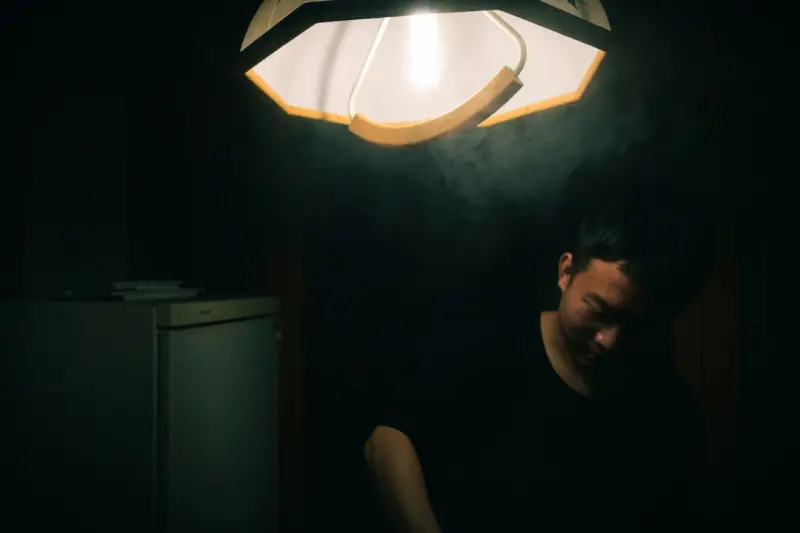
Turning Nightmares into Insight: A Fresh Look at Sleep Terrors
Sleep terrors, often dismissed as mere nightmares, hold valuable subconscious data. This article rev... Read More

When Sleep Terrors Speak: Turning Nighttime Panic into a Wellness Blueprint
Sleep terrors can feel terrifying, but they’re a powerful signal from your body. Learn how to inte... Read More

Sleep Terrors: Your Brain’s Hidden Stress Gauge
Sleep terrors aren’t random nightmares; they’re the brain’s urgent signal of autonomic imbalan... Read More
Top Posts

Nourish Your Mood: How Nutrient Timing Shapes Emotional Balance
Discover the power of nutrient timing—when you eat specific foods can influence hormones, mood, and energy. This guide offers practical steps, real-life scena...Read More

Health Insurance Through a Holistic Lens: Craig Brett’s 2024 Playbook
Craig Brett reveals how to turn health insurance into a holistic wellness tool, with actionable steps, preventive care tips, and strategic plan selection for 20...Read More
Unlocking Brain Power with Multisensory Living
Explore the science behind multisensory environments and learn practical, everyday ways to boost brain health through sight, sound, scent, and touch....Read More
How Vaping Communities Are Shaping Identity and Wellness
Vaping has become more than a habit; it’s a thriving community that molds identity, offers peer support, and drives wellness trends, redefining the subculture...Read More
0 Comments
Post Comment
You will need to Login or Register to comment on this post!