
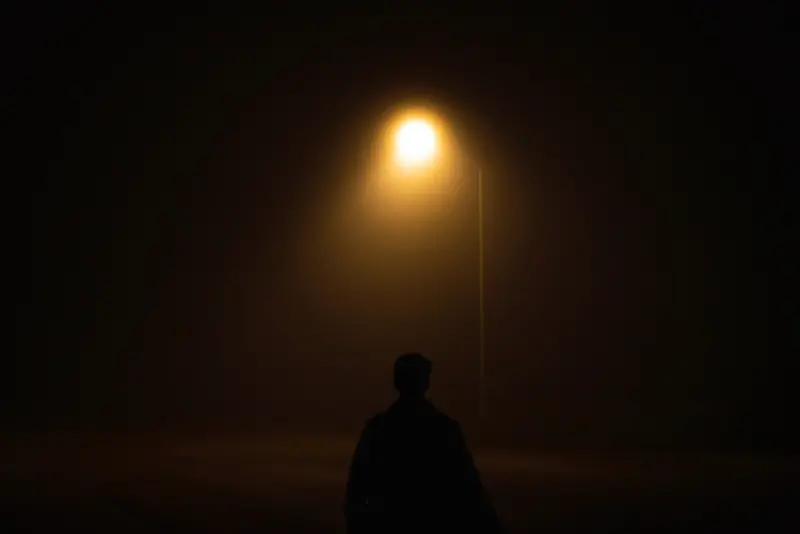
Finding Light in the Dark: How Creative Expression Became My Cancer Survival Toolkit
When the word “cancer” first slipped into my life, it arrived like a sudden winter storm, blanketing everything I thought I knew about my body, my future, and my identity; in that moment, I realized that survival would demand more than medical appointments and medication—it would require a new language to articulate fear, hope, and the endless stream of emotions that followed. I turned to the canvas in my attic, the notebook that gathered dust on my nightstand, and the old guitar that had long been silent, asking each of them to become a vessel for the story my body was writing in real time. What emerged was a personal renaissance, a daily practice of turning pain into pigment, silence into song, and isolation into ink‑stained pages that not only soothed my nervous system but also rewired my relationship with the disease.
The Science Behind the Stroke of a Brush
Researchers have begun to map the physiological ripple effects of artistic engagement, discovering that activities such as painting, music, and narrative writing can trigger the release of dopamine, endorphins, and even increase natural killer cell activity—key players in the body’s anti‑cancer arsenal; a 2020 study in the Journal of Psycho‑Oncology reported that patients who participated in structured art therapy sessions experienced a statistically significant reduction in cortisol levels, the stress hormone known to suppress immune function. Moreover, neuroimaging studies reveal that creative tasks stimulate the prefrontal cortex and the limbic system simultaneously, fostering a sense of agency that counteracts the helplessness often felt during chemotherapy; this dual activation not only elevates mood but also enhances the brain’s capacity to modulate pain perception, a crucial benefit when side effects become overwhelming. In short, the act of creating becomes a biochemical ally, turning the abstract notion of “mind‑body connection” into a measurable, therapeutic reality.
Practical Pathways: Turning Everyday Moments into Creative Rituals
To embed creativity into the rigorous schedule of treatments, I carved out three micro‑rituals: a ten‑minute morning sketch that captured my dreams before the day’s appointments, a nightly journaling session where I wrote a single paragraph from the perspective of my tumor—giving it a voice to diminish its power, and a weekly “song‑swap” with a friend where we exchanged playlists that reflected our evolving emotions, allowing music to become a shared healing language. Each ritual was deliberately brief, recognizing that fatigue and nausea could sabotage longer sessions, yet the consistency of these bite‑sized practices cultivated a rhythm that felt both manageable and deeply rewarding; over weeks, my sketchbook filled with abstract swirls that mirrored treatment cycles, while my journal entries evolved from raw fear to nuanced reflection, illustrating a tangible shift in mindset. By treating creativity as a series of intentional, time‑boxed habits, I transformed what could have been an overwhelming hobby into a sustainable survival strategy.
Building a Creative Circle: Community as a Canvas for Shared Healing
Isolation is a common companion of a cancer diagnosis, but I discovered that surrounding myself with a “creative circle” of fellow patients, artists, and caregivers turned solitude into a collaborative studio where stories could be exchanged, techniques shared, and encouragement flowed freely; we met in a local community center every Thursday, each bringing a different medium—some brought watercolors, others brought poetry, and a few simply brought their willingness to listen, creating a mosaic of expression that reflected our diverse journeys. The circle’s power lay not only in the art produced but also in the rituals we established: a shared tea ceremony that signaled the start of our session, a rotating “artist spotlight” where each member presented a piece and discussed its emotional roots, and a collective gratitude board where we posted notes of triumph, however small. This intentional structure fostered accountability, reduced the fear of judgment, and amplified the therapeutic benefits of creativity, proving that community can act as both a mirror and a magnifying glass for personal growth.
Digital Storytelling: Expanding the Reach of Healing Narratives
When in‑person gatherings became impossible due to treatment schedules, I migrated our creative circle to an online platform, using video calls, shared folders, and a private forum to keep the momentum alive; the digital shift introduced new possibilities, such as live‑streamed art demonstrations, collaborative playlists, and a virtual “story wall” where participants uploaded short videos describing their latest creations, allowing us to witness each other’s progress in real time despite physical distance. To deepen the experience, I incorporated resources like the daily resilience practices guide, which offered simple mindfulness exercises that complemented our artistic sessions, and the holistic cancer empowerment guide, providing evidence‑based tips on integrating creativity with nutrition and movement. By blending technology with tradition, we turned a potential setback into an opportunity to broaden our support network, reaching patients in remote areas and creating an archive of collective creativity that serves as an inspirational resource for newcomers.
Overcoming Barriers: Time, Self‑Judgment, and Resource Gaps
Even with a clear plan, obstacles such as limited energy, the internal critic that labels artistic attempts as “not good enough,” and the lack of supplies can derail the best‑intentioned creative endeavors; I tackled these challenges by adopting a “minimum viable art” mindset, where the focus shifted from perfection to process, allowing a crayon scribble on a napkin to count as a valid expression, and by setting realistic expectations—allocating no more than fifteen minutes on days when chemotherapy left me feeling drained, and reserving longer sessions for remission periods when stamina returned. To address resource constraints, I repurposed household items—using coffee filters as watercolor paper, salvaging old magazines for collage, and borrowing instruments from friends—demonstrating that creativity thrives on ingenuity rather than expense. Importantly, I also sought professional support, inviting art therapists to lead occasional workshops that equipped the group with techniques to bypass self‑censorship, reinforcing the idea that creative expression is a right, not a privilege, for anyone navigating the cancer journey.
Measuring Impact: From Mood Journals to Symptom Trackers
To gauge whether creative practice was truly influencing my well‑being, I paired my artistic sessions with a simple tracking system: a mood log where I rated my emotional state on a scale of one to ten before and after each activity, and a symptom diary that recorded pain levels, fatigue, and nausea, enabling me to spot patterns that linked creative engagement with measurable improvements; over three months, the data revealed a consistent rise of two to three points in mood scores following sketching or music, as well as a modest decrease in reported pain during days when I engaged in at least one creative ritual. These quantitative insights complemented the qualitative feedback from my circle, where members reported feeling more “present” and “connected” after sharing their work, underscoring the dual benefit of personal reflection and communal validation. By treating creativity as both an art and a data point, I cultivated a feedback loop that reinforced my commitment and provided tangible evidence to share with healthcare providers, who began to acknowledge the therapeutic value of artistic expression as part of my comprehensive care plan.
Invitation to Begin: Your First Brushstroke, Your First Word, Your First Note
If you are reading this amidst scans, appointments, or sleepless nights, know that the doorway to creative healing is already ajar, waiting for a single step—a doodle on the back of a prescription slip, a line of poetry whispered into a pillow, or a chord strummed on an old guitar; the key is to start small, honor the emotions that surface, and allow the process to unfold without judgment, trusting that each act of creation plants a seed of resilience that can grow even in the harshest of soils. Reach out to local art groups, explore online forums, or simply set a timer for five minutes and let whatever medium feels right emerge, remembering that the purpose is not to produce a masterpiece but to give your inner world a safe, expressive outlet; in time, you may find that the very act of making something beautiful becomes a beacon of hope, illuminating the path through treatment and beyond. Let your story be told in colors, words, and melodies, and watch as the collective chorus of survivors transforms the cancer narrative from one of fear to one of empowered, creative living.
Nikki McDonald is a freelancer based in Waterloo. She brings her skills and expertise to various projects, balancing her professional work with a personal life that includes her husband, Stewart.
Related Posts
Cancer, Community, and a Holistic Blueprint: William Roy’s Personal Journey
William Roy shares his personal blueprint for navigating cancer with holistic strategies—nutrition... Read More
Turning Data into Hope: Real‑Time Analytics Redefine Cancer Care
A deep dive into the emerging world of real‑time data streams, AI-driven insights, and patient‑c... Read More
Data-Driven Cancer Resilience: Turning Numbers into Hope
By treating cancer as a personal data project, you can detect early warning signs, fine‑tune lifes... Read More
Top Posts

Nurturing Your Mind: A Holistic Guide to Peak Brain Health
Explore a comprehensive, holistic approach to brain health that blends nutrition, sleep, movement, stress management, and social connection, offering actionable...Read More
Creative Arts as a Catalyst in Physiotherapy: Boosting Healing Through Music, Dance, and Movement
Explore the transformative power of creative arts in physiotherapy, from rhythmic music to movement painting, and learn practical tips to boost patient outcomes...Read More
Unlocking the Hidden Wellness Engine in Your Health Insurance
Learn practical strategies to transform a standard health insurance plan into a proactive wellness tool, leveraging preventive services, tele‑medicine, and in...Read More
Unlocking the Lymphatic Highway: A Fresh Take on Body Detox
The lymphatic system, often overlooked in detox conversations, is crucial for waste removal, immune function, and fluid balance. This post reveals why tradition...Read More
0 Comments
Post Comment
You will need to Login or Register to comment on this post!