
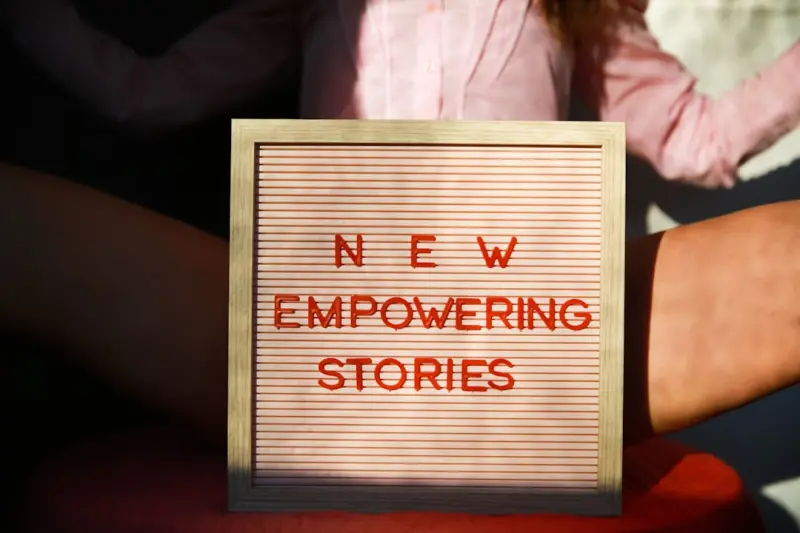
Why Personal Narrative Matters
When anxiety settles like fog, the mind often feels trapped in a looping script of “what‑if” and “should‑have.” Shifting that script into a personal narrative—where you become both author and editor—creates a tangible distance between the emotion and the experiencer. By framing moments as chapters rather than endless monologues, you give the brain permission to observe instead of react, turning a chaotic inner storm into a story you can step back from and rewrite.
The Science Behind Story‑Based Healing
Neuroscience shows that the brain treats vivid stories like real experiences, lighting up the same neural pathways that fire during actual events. When you articulate a feeling in concrete language, the prefrontal cortex engages, tempering the amygdala’s alarm signals and allowing reasoned reflection to surface. This internal rehearsal rewires emotional responses, building a mental buffer that makes future stressors feel less invasive.
Getting Started: Micro‑Journaling Techniques
Begin with a five‑minute “micro‑journal” each evening, jotting down one significant moment and the story you tell yourself about it. Choose a simple structure—setting, action, feeling, and a brief interpretation—so the practice stays quick and repeatable. Over weeks, these snippets accumulate into a personal archive that you can scan for patterns, celebrate growth, and spot recurring triggers.
Embedding Sensory Detail for Grounded Calm
To deepen the calming effect, anchor each entry with at least two sensory cues: the scent of coffee, the texture of a blanket, the sound of rain. Sensory anchors tether the narrative to the present, preventing it from drifting into abstract worry. When anxiety spikes, revisiting a past entry rich with sensory detail can instantly transport you back to a moment of safety, reducing the physiological grip of panic.
From Private Pages to Shared Circles
While solitude nurtures honesty, occasional sharing amplifies resilience by inviting empathy and fresh perspectives. Consider a trusted friend or a small storytelling circle where each person reads a short excerpt and offers a supportive observation. The act of being heard validates your experience, while others’ insights may reveal blind spots, turning personal challenges into collective wisdom.
Connecting Storytelling with Cognitive Growth
Storytelling does more than soothe; it sharpens mental agility by exercising memory, sequencing, and abstract thinking. Researchers highlight that narrative practice engages the same circuits targeted by brain‑fitness programs, reinforcing neural flexibility that supports problem‑solving and creative thought. Integrating a brief reflective story each day can therefore serve as a low‑cost, high‑impact brain‑fitness blueprint that bolsters both emotional balance and cognitive sharpness. For deeper insight, explore the brain‑fitness blueprint that ties curiosity to lasting mental agility.
Nature as a Narrative Canvas
Outdoor environments provide a rich backdrop for expanding your story palette, allowing you to weave natural elements into personal narratives. A walk through trees, for example, can become a metaphor for growth, while a river’s flow may illustrate the passage of time and the ease of letting go. Engaging with nature in this way not only deepens your storytelling but also taps into the restorative benefits of green spaces. Learn how a simple immersion in the woods, often called forest bathing, can amplify the calming power of your written reflections.
Overcoming Inner Resistance
Self‑criticism is the most common barrier to consistent narrative work, whispering that “it’s not important” or “it won’t change anything.” Counter this voice by setting a non‑judgmental intention: the goal is not perfection but presence. If a entry feels awkward, label it as a draft and move on; the habit of showing up outweighs the quality of any single entry, and over time the internal critic quiets as confidence builds.
Moving Forward with a Narrative Routine
Integrate storytelling into existing routines—pair it with morning coffee, a post‑workout cool‑down, or a bedtime wind‑down—to cement the practice. As the habit solidifies, you’ll notice a gradual shift: moments that once sparked anxiety now become material for reflection, and the act of narrating becomes a trusted tool for emotional regulation. Embrace the narrative routine as a personal compass, guiding you through life’s inevitable ups and downs with clarity, calm, and a renewed sense of agency.

Related Posts
Tiny Mental Breaks: How Micro‑Mindfulness Reshapes Daily Calm
Learn the power of micro‑mindfulness: tiny, intentional pauses paired with movement and soundscape... Read More

Mental Health in the Modern World: Breaking Down Barriers
Mental health is a critical component of our overall well-being. Learn how to prioritize mental heal... Read More

The Hidden Path to Mental Wellness: A Holistic Journey
Explore a personal, holistic roadmap to mental wellness, blending mindfulness, sleep strategies, gut... Read More
Top Posts

Rethinking Your Clock: How Sleep Patterns Influence Autoimmune Health
This post explores the powerful link between circadian rhythms and autoimmune disease, offering practical steps for sleep, nutrition, movement, and stress manag...Read More

Nature Immersion: The High‑Impact Health Hack for Urban Professionals
A practical guide for urban professionals on using forest bathing to lower stress, improve immune function, and sharpen focus—without sacrificing productivity...Read More

Holistic Nutrition: Transforming Everyday Eating into Vibrant Health
Explore a holistic nutrition strategy that blends gut health, micronutrients, mindful eating, and personalized diet tweaks to boost energy, balance blood sugar,...Read More

Habit Stacking for Sustainable Weight Loss: How Tiny Shifts Create Big Results
Learn how pairing new, tiny health actions with existing daily routines can create lasting weight loss, boost energy, and reshape your relationship with food....Read More
0 Comments
Post Comment
You will need to Login or Register to comment on this post!