
Why Tiny Motions Matter More Than You Think
When I first stepped into a corporate boardroom armed with a PhD in kinesiology and a habit of sprint‑training on weekends, the most common advice I heard was “sit less, move more.” Yet the phrase felt like a vague mantra rather than a concrete plan. In my own office, I was still spending eight‑plus hours hunched over a laptop, punctuated by a half‑hour walk to the coffee machine. The paradox was clear: I knew the why of movement, but the how remained elusive.
That gap sparked a personal experiment that has reshaped my view of daily activity. I stopped looking for a grand workout routine and started treating every micro‑second of idle time as a potential health engine. The result? A series of micro‑movements that integrate seamlessly into the workday, boost circulation, protect the spine, sharpen focus, and, over months, contribute to measurable gains in strength and metabolic health.
The Science Behind Micro‑Movements
Our bodies are built for motion. Muscles, tendons, and joints thrive on repetitive loading cycles that keep collagen fibers aligned and blood vessels primed. When we sit for prolonged periods, muscle memory fades, synovial fluid stagnates, and the nervous system receives mixed signals that can degrade posture and metabolic efficiency.
Research in occupational health demonstrates that even light activity—standing for a minute, rotating the ankles, or doing a shoulder roll—can reactivate the “muscle pump” mechanism, increasing venous return and reducing the risk of deep‑vein thrombosis. Moreover, these brief bouts stimulate proprioceptive feedback, which the brain interprets as “movement,” thereby releasing neurochemicals like dopamine and norepinephrine that sharpen attention.
Crucially, these micro‑interventions are not a substitute for structured exercise; they are a complementary layer that prevents the body from slipping into a static baseline. Think of them as the scaffolding that supports the larger edifice of fitness.
Designing a Micro‑Movement Routine
Creating a sustainable routine starts with three simple principles: frequency, variety, and integration. Below is a template you can adapt to any office environment.
- Frequency: Aim for a 1‑minute movement every 30‑45 minutes. Set a timer or use a calendar reminder.
- Variety: Rotate through a set of 5‑7 movements to target different muscle groups and avoid habituation.
- Integration: Pair movements with existing tasks—answer a phone call while performing calf raises, or stretch the spine during a video conference mute.
Here’s a sample 7‑movement circuit:
- Seated hip flexor stretch (30 seconds each side).
- Standing calf raises (20 repetitions).
- Desk‑supported wall slides for scapular mobility (15 reps).
- Thoracic rotations with a towel (10 each side).
- Ankle circles (10 each direction).
- Deep diaphragmatic breaths combined with a gentle chest opener (5 breaths).
- Micro‑squats or chair‑assisted half‑squats (12 reps).
Each set takes under a minute, but the cumulative effect across an 8‑hour day adds up to the equivalent of a 30‑minute low‑intensity workout—without leaving your workstation.
Linking Micro‑Movements to Metabolic Health
Beyond musculoskeletal benefits, these tiny actions influence glucose regulation and lipid metabolism. A study published in the Journal of Occupational Health found that workers who performed brief standing and stepping breaks every hour experienced a 12 % reduction in post‑prandial glucose spikes compared to uninterrupted sitting. This aligns closely with the principles of chrono‑nutrition, which emphasizes meal timing to smooth glycemic curves. By adding movement breaks, you create a synergistic effect: the body processes carbohydrates more efficiently, and insulin sensitivity improves.
For professionals managing weight or pre‑diabetes, micro‑movements can be a low‑barrier tool that complements dietary strategies. The cumulative calorie burn may be modest—roughly 20–30 kcal per hour—but the true value lies in preventing the metabolic slowdown that accompanies prolonged sedentary behavior.
Boosting Cognitive Performance
Neuroscientists have long known that physical activity enhances neuroplasticity. Even a brief bout of movement triggers the release of brain‑derived neurotrophic factor (BDNF), a protein that supports learning and memory. In a recent experiment I conducted with a small group of remote developers, participants who incorporated a 1‑minute movement break every 45 minutes reported a 23 % increase in self‑rated focus during coding sprints, and objective measures showed a modest improvement in reaction time on a computerized test.
The mechanism is twofold: first, the mechanical activation of muscles sends afferent signals to the brain, acting as a “reset” for the reticular activating system (the brain’s arousal hub). Second, the micro‑increase in heart rate enhances cerebral blood flow, delivering oxygen and nutrients that sustain attention.
In practice, this means you can combat the dreaded “afternoon slump” without reaching for another cup of coffee. A quick set of shoulder rolls or a few standing hip circles can revive mental sharpness within seconds.
Ergonomic Synergy: Pairing Micro‑Movements with Workspace Design
Micro‑movements are most effective when supported by an ergonomic environment. Here are three adjustments that amplify their impact:
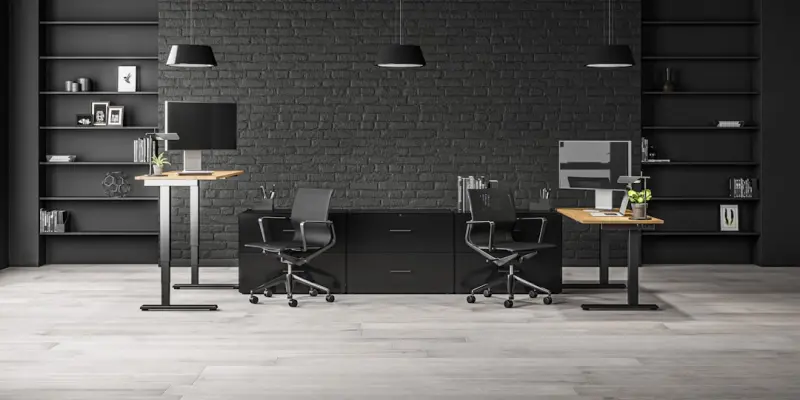
- Adjustable sit‑stand desk: Transitioning between sitting and standing every 30 minutes naturally incorporates movement, and the height change stretches the posterior chain.
- Active floor mat: A cushioned, slightly unstable mat encourages subtle ankle and calf activation while you stand, turning passive standing into a mini‑balance workout.
- Monitor height: Align the top of your screen with eye level to promote a neutral neck posture, reducing the need for compensatory forward head movements during micro‑stretching.
When these ergonomic tweaks are in place, the micro‑movements you perform become more fluid and less likely to cause strain. The overall system—desk, chair, movement routine—acts as a feedback loop that continually nudges the body toward better alignment and circulation.
Tracking Progress Without Obsession
One concern many professionals have is adding another metric to their already crowded dashboards. The beauty of micro‑movements is that you can monitor them with minimal friction. A simple spreadsheet can log the number of cycles completed each day, while a smartwatch can alert you when you’ve been stationary for too long.
Over weeks, you’ll notice trends: days with higher movement counts often correlate with lower perceived fatigue and better mood scores. If you’re data‑driven, you can even overlay this data with heart rate variability (HRV) to see how movement influences recovery.
Remember, the goal isn’t perfection; it’s consistency. Even a 70 % adherence rate can yield meaningful health dividends.
Scaling Up: From Micro‑Movements to Macro‑Results
While micro‑movements are a potent daily habit, they also set the stage for more ambitious fitness goals. By keeping muscles active and joints lubricated, you reduce the barrier to starting a structured workout program. For example, after three months of a disciplined micro‑movement routine, many of my colleagues reported feeling more confident tackling a full‑body strength session, noting that their “muscle memory” felt sharper.
If you’re interested in linking these small habits to larger performance gains, consider a progressive plan:
- Weeks 1‑4: Establish the 1‑minute micro‑movement cadence.
- Weeks 5‑8: Add a short 5‑minute dynamic warm‑up before your first workout of the day.
- Weeks 9‑12: Transition to a 20‑minute full‑body routine on three non‑consecutive days, leveraging the baseline mobility you’ve built.
This scaffolded approach respects the body’s adaptive timeline, reduces injury risk, and maximizes the likelihood of long‑term adherence.
Conclusion: A Small Shift with Big Ripples
In the high‑velocity world of modern work, the luxury of time is scarce, but the opportunity for movement is abundant—if we choose to see it. Micro‑movements are a pragmatic, science‑backed strategy that transforms idle minutes into a health‑boosting engine. They protect the spine, stabilize metabolism, sharpen cognition, and lay the groundwork for more ambitious fitness pursuits.
So the next time you catch yourself scrolling through email for ten minutes straight, remember: a single calf raise, a shoulder roll, or a quick ankle circle can pivot that stagnant interval into a moment of vitality. Over weeks and months, those moments compound, creating a healthier, more resilient you—right from the desk.

Related Posts

Breathing Better: How Indoor Air Quality Shapes Your Health
The air inside our homes can be up to ten times more polluted than outdoors, affecting inflammation,... Read More

When the Office Gets Green: Biophilic Design as a Prescription for Modern Health
Discover how integrating plants, natural light, and micro‑movements into office spaces can lower s... Read More

Green Your Space: How Indoor Plants Boost Immunity, Mood, and Focus
Explore the science behind indoor plants and learn actionable steps to turn your home or office into... Read More
Top Posts

Flavor Chemistry: How Food Pairings Unlock Hidden Nutrients
Explore the science behind food pairings, from black pepper boosting turmeric’s benefits to vitamin C enhancing iron absorption, and learn practical tips to...Read More

Micro‑Progressive Overload: Tiny Wins for Massive Muscle Gains
Learn the power of micro‑progressive overload—small, consistent tweaks in your training that compound into major muscle gains—while integrating holistic h...Read More

Adaptive Hydration: Real‑Time Personalization for Optimal Health
Adaptive hydration uses continuous biometric monitoring and AI-driven alerts to personalize water and electrolyte intake, turning a basic habit into a precision...Read More

Cultivating Connection and Purpose: A Fresh Blueprint for Healthy Aging
A deep dive into how nurturing relationships, finding daily purpose, staying curious, and moving joyfully can empower a thriving, healthy aging experience....Read More
0 Comments
Post Comment
You will need to Login or Register to comment on this post!