

Why Community Matters
When I first started noticing the subtle shifts in my body and mind after hitting the mid‑fifties, I expected the conversation to revolve around supplements, medical check‑ups, or the latest fitness craze. Instead, the most profound insight came from a simple, often‑overlooked source: the people around me. Friendships that have endured decades, a neighborhood book club, and volunteering at the local community garden have become the backbone of my health routine.
Human beings are wired for connection. Research consistently shows that regular, meaningful social interaction correlates with better cardiovascular health, stronger immune responses, and a sharper mind. Yet, as careers intensify and families scatter across cities, many of us unintentionally drift into quieter, more isolated routines. The result is not just loneliness—it’s a hidden accelerant for age‑related decline.
Re‑engaging with community doesn’t require grand gestures. It can be as modest as sharing a coffee break with a coworker you haven’t spoken to in months, or as structured as joining a mentorship program that pairs seasoned professionals with younger talent. The key is consistency and authenticity. When we invest in relationships that feel reciprocal, our bodies respond with lower stress hormones and a steadier rhythm of well‑being.
Purpose as a Daily Compass
Beyond the social sphere, purpose acts like an internal compass that guides us through each day. It’s not about lofty ambitions; it’s about identifying what makes you feel alive and aligning your actions with that feeling. For me, purpose resurfaced when I began coaching younger entrepreneurs. The act of sharing my hard‑earned lessons sparked a renewed sense of relevance that rippled through every aspect of my life.
Purpose can be cultivated in many forms: mentoring, artistic creation, advocacy, or even mastering a new skill. The important part is that the activity taps into your values and offers a tangible way to contribute. When we feel that our actions matter, the brain releases dopamine, a neurotransmitter that supports motivation and mood. Over time, this positive feedback loop can help preserve cognitive sharpness without the need for complex interventions.
Take a moment each morning to ask yourself, “What small impact can I make today?” Write it down, and follow through. Those micro‑commitments accumulate, turning into a meaningful tapestry that supports both mental vigor and emotional resilience.
Lifelong Learning: The Brain’s Gym
One of the most rewarding habits I’ve adopted is treating my brain like a muscle that needs regular workouts. Learning isn’t just for the young; it’s a lifelong passport to curiosity and adaptability. Whether it’s picking up a language, exploring a new software platform, or delving into the history of a distant culture, each new challenge forces the mind to form fresh connections.
While many associate mental exercise with formal courses, the most sustainable approach integrates learning into daily life. For example, listening to a podcast while cooking, reading a single article during a commute, or swapping skill‑share sessions with a neighbor can keep the mental gears turning. This habit also dovetails beautifully with the idea of simple daily habits that reset your nervous system, reinforcing calm and focus without overwhelming your schedule.
Incorporating variety is essential. Switching between artistic pursuits, logical puzzles, and physical coordination activities ensures that multiple brain regions stay engaged. The result is a more resilient mind that can navigate the inevitable changes that come with age.
Movement as Medicine
Physical activity is a cornerstone of vibrant aging, but the narrative around “exercise” can feel intimidating when it’s framed as a high‑intensity regimen. Instead, consider movement as medicine tailored to your personal preferences and abilities. Gentle practices—like walking in nature, water aerobics, tai chi, or even dancing to your favorite tunes—provide cardiovascular benefits, enhance balance, and stimulate mood‑lifting neurotransmitters.
Consistency outweighs intensity. A daily 20‑minute walk, a weekly yoga class, or a spontaneous living‑room dance party can collectively deliver more health dividends than sporadic, strenuous sessions. Moreover, moving with others amplifies the social benefits, turning a solitary routine into a shared experience that strengthens bonds.
Remember to listen to your body’s signals. If a particular movement feels uncomfortable, modify it or explore an alternative that offers similar benefits. The goal is to create a sustainable, enjoyable habit that you look forward to rather than dread.
Nurturing Intergenerational Bonds
Age‑segregated environments can unintentionally reinforce stereotypes and limit growth for all parties involved. Intergenerational connections—whether through formal programs, family gatherings, or community events—provide a two‑way street of learning and empathy.
Younger individuals often bring fresh perspectives on technology, culture, and contemporary challenges, while seasoned adults contribute wisdom, historical context, and patience. Engaging in these exchanges can sharpen memory, improve emotional regulation, and foster a sense of belonging that transcends age categories.
Consider volunteering at a local school, joining a storytelling circle where elders share life chapters, or simply inviting a teenager to teach you a new app. These interactions create a vibrant ecosystem where every participant thrives.
Small Practices for Big Impact
While grand changes are inspiring, the true power of healthy aging lies in the accumulation of modest, intentional practices. Below are a few actionable ideas that blend the themes we’ve explored:
- Weekly Social Check‑In: Schedule a coffee, video call, or walk with a friend you haven’t seen in a while. Make it a recurring event.
- Purpose Journal: Every evening, jot down one moment where you felt purposeful. Over time, patterns emerge that guide deeper involvement.
- Micro‑Learning Sessions: Dedicate 10 minutes to a new skill—watch a tutorial, read a short article, or practice a language phrase.
- Movement Moments: Integrate brief stretches or walking breaks into your daily routine, especially after long periods of sitting.
- Intergenerational Outreach: Offer to mentor a student, attend a community event with mixed ages, or simply ask a younger neighbor to teach you a game.
These practices may seem simple, but when repeated consistently, they form a robust framework that supports physical health, mental agility, and emotional fulfillment.
Putting It All Together
Healthy aging isn’t a single prescription; it’s a mosaic of habits, relationships, and mindsets that evolve as we do. By intentionally nurturing community, aligning daily actions with purpose, keeping the brain active, embracing movement that feels good, and bridging generational gaps, we create an environment where aging becomes a period of growth rather than decline.
It’s tempting to wait for a “big moment”—a milestone birthday or a health scare—to spark change. Yet the most sustainable transformation arises from the quiet, steady choices we make each day. When you look back years from now, it won’t be the occasional health scan that defines your experience; it will be the laughter shared over coffee, the curiosity sparked by a new language, the rhythm of a favorite song that made you sway, and the satisfaction of knowing you mattered to others.
Embrace the journey with openness, and you’ll discover that the later chapters of life can be some of the most vibrant and rewarding yet. For further inspiration on how fresh perspectives can reshape our approach to later life, explore fresh perspectives on thriving in later years.

Deb Roberts is a freelancer who writes on various subjects, bringing versatility and depth to her work. Alongside her broad writing expertise, she has a special passion for horses.
Related Posts

Why Curiosity Keeps You Young: Harnessing Playful Learning After 60
Exploring how curiosity and playful learning can transform healthy aging, this article offers practi... Read More
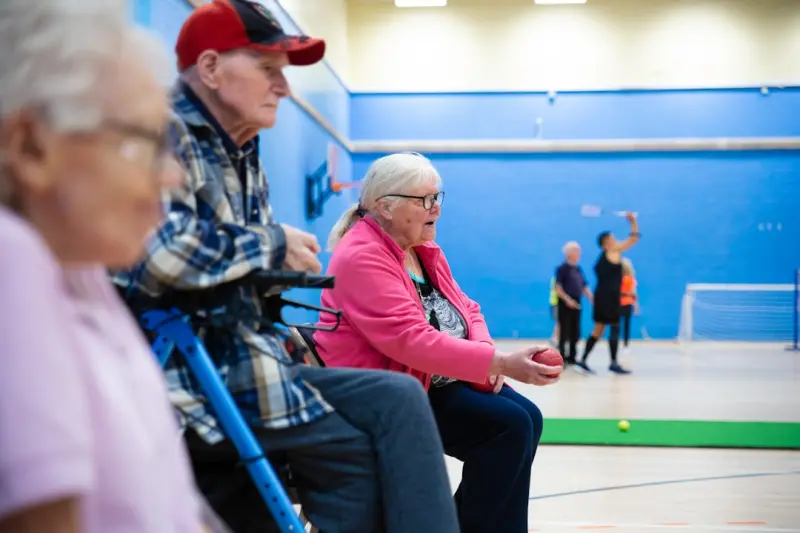
Reimagining Healthy Aging Through Community, Flavor, and Story
Explore a new aging roadmap: weekly flavor circles, intergenerational mentorship, and story walks th... Read More
How Small Home Tweaks Can Supercharge Healthy Aging
A practical guide shows how lighting, flooring, furniture layout, technology, and nature integration... Read More
Top Posts

How Babywearing Shapes Your Infant’s Health and Connection
Babywearing offers a powerful, science‑backed way to boost an infant’s sleep, immune system, motor development, and emotional security while deepening the p...Read More

Garden Paths to Longevity: How Seniors Thrive Through Community Greenspaces
A senior’s guide to using community gardens for better health, sharper mind, and deeper social bonds—learn practical steps to start thriving in green spaces...Read More

Tiny Habit Stacking: A Sustainable Path to Weight Loss
Learn to transform weight loss into a series of tiny, sustainable wins by reshaping habits, environment, and mindset for lasting results....Read More

Unlocking Everyday Body Detox: A Five‑Pillar Blueprint for Sustainable Cleanliness
A holistic, science‑backed five‑pillar system—breath, lymph, microbiome, rhythm, and external elimination—offers a sustainable, everyday detox strategy ...Read More
0 Comments
Post Comment
You will need to Login or Register to comment on this post!