
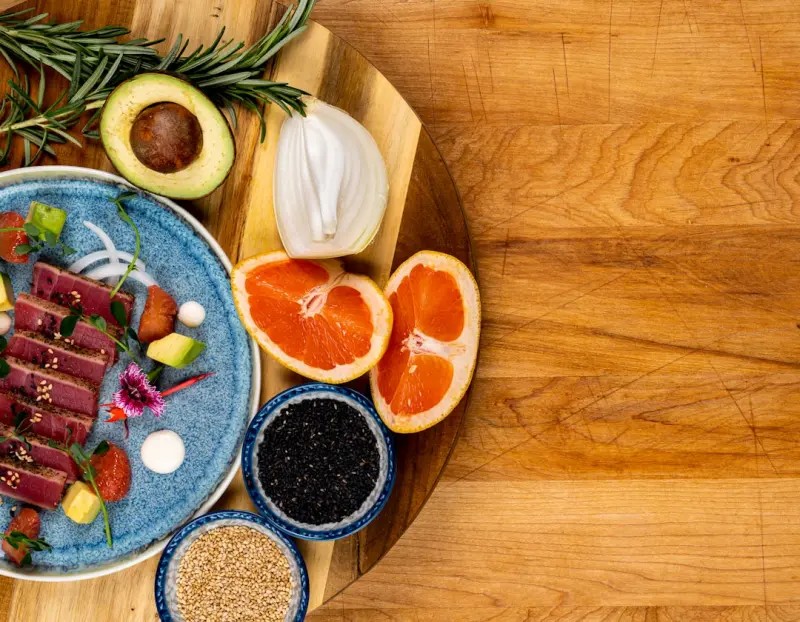
Flavor Chemistry: How Food Pairings Unlock Hidden Nutrients
When I first stepped into a bustling night market in Taipei, the smell of fermented tofu mingled with the sweet scent of caramelized mangoes. It wasn’t just the flavors that caught my attention—it was the subtle, almost magnetic pull that certain foods seemed to have on each other. That moment sparked a curiosity that has guided my research ever since: can the way we combine foods amplify their nutritional power? This question sits at the intersection of culinary art, biochemistry, and personal health, and it’s a conversation that’s finally gaining traction in the nutrition community.
The Science Behind Food Pairing
At its core, food pairing is more than a matter of taste. It’s a dance of molecules. When two foods share common flavor compounds—think of the citrus notes in both rosemary and lemon—they often complement each other in a way that feels harmonious on the palate. But the real magic happens at the molecular level, where these shared compounds can influence the absorption and bioavailability of nutrients.
Consider the classic pairing of tomatoes and olive oil. Tomatoes are rich in lycopene, a carotenoid that’s notoriously fat‑soluble. When you drizzle olive oil over a tomato salad, the oil acts as a carrier, dissolving lycopene and making it easier for your intestinal walls to absorb. Studies have shown that the bioavailability of lycopene can increase by up to 2.5 times when paired with a modest amount of healthy fat.
Another well‑known example is the iron‑boosting power of vitamin C. Iron from plant sources (non‑heme iron) is less readily absorbed than iron from meat. However, adding a splash of lemon juice—or any vitamin C‑rich food—to a spinach or lentil dish can convert iron into a form that your body can more efficiently capture. This synergy is why nutritionists often recommend pairing leafy greens with citrus or bell peppers.
Beyond the Classics: Uncovering Hidden Synergies
While the tomato‑olive oil and iron‑vitamin C pairings are celebrated, there’s a whole world of less‑obvious combos waiting to be explored. Let’s dive into three pairings that are gaining attention for their potential to unlock hidden nutrients.
1. Black Pepper & Turmeric: The Bioavailability Boost
Turmeric’s active compound, curcumin, is renowned for its anti‑inflammatory properties, yet it’s notoriously poorly absorbed. Enter piperine, the alkaloid that gives black pepper its bite. Research has demonstrated that adding just a pinch of black pepper to turmeric can increase curcumin absorption by up to 2,000 %.
Why does this happen? Piperine inhibits certain enzymes in the liver that would otherwise break down curcumin before it reaches the bloodstream. The result is a much more potent anti‑inflammatory response from a modest amount of turmeric.
2. Green Tea & Lemon: Antioxidant Activation
Green tea is packed with catechins, particularly epigallocatechin gallate (EGCG), which are powerful antioxidants. However, the catechins are sensitive to pH changes. Adding a squeeze of lemon—an acidic fruit—stabilizes EGCG, protecting it from oxidation and increasing its antioxidant capacity.
Beyond stability, the vitamin C in lemon can also assist in the regeneration of other antioxidants, creating a ripple effect that enhances overall oxidative defense.
3. Yogurt & Berries: Probiotic‑Fiber Fusion
Probiotics and prebiotics are often discussed separately, but when combined, they create a symbiotic environment that can boost gut health in ways neither can achieve alone. Yogurt provides live cultures, while berries—especially blueberries and raspberries—contain soluble fiber and polyphenols that act as prebiotics.
This pairing not only supports a healthy microbiome but also improves the metabolism of polyphenols, leading to greater systemic antioxidant benefits. It’s a simple breakfast that packs a double punch for both digestive health and immune resilience.
Practical Strategies for Everyday Meals
Understanding the science is empowering, but the real value lies in how we apply it daily. Below are actionable tips to help you harness the power of food pairing without turning your kitchen into a laboratory.
- Start with a base of healthy fats. Incorporate oils rich in monounsaturated or polyunsaturated fats—like olive oil, avocado oil, or nuts—into salads, sautéed vegetables, or grain bowls to enhance the absorption of fat‑soluble vitamins (A, D, E, K) and phytochemicals.
- Pair iron‑rich plants with vitamin C sources. Add a splash of citrus juice, a handful of bell peppers, or a serving of strawberries to dishes featuring beans, lentils, or leafy greens.
- Don’t shy away from spices. A pinch of black pepper, a dash of cinnamon, or a sprinkle of turmeric can dramatically increase the bioavailability of key compounds. Just remember that a little goes a long way.
- Combine fermented foods with fiber. Pair kimchi, sauerkraut, or kefir with high‑fiber fruits, vegetables, or whole grains to feed both probiotic and prebiotic pathways.
- Mind the timing of meals. Some nutrients compete for absorption. For instance, calcium can inhibit iron absorption if consumed together in large amounts. Consider spacing iron‑rich meals and calcium‑rich meals by a few hours.
Personalizing Your Nutrient Pairing Strategy
Every body is unique, and what works for one person may not be optimal for another. Emerging technologies are making it easier to tailor food pairings to individual metabolic profiles. For example, the platform discussed in When Data Meets Empathy highlights how data-driven insights can guide personalized health interventions. By integrating wearable data (like heart rate variability, sleep patterns, and glucose trends) with dietary logs, you can identify which pairings boost your energy, improve recovery, or support mental clarity.
Similarly, the gut signals article underscores the importance of listening to digestive cues. If certain combinations consistently cause bloating or discomfort, it may signal an intolerance or an imbalance in your microbiome. Adjusting pairings—such as reducing fermentable fiber with high‑protein meals—can alleviate these issues.
Future Directions: The Role of Food Pairing in Public Health
Beyond individual benefits, food pairing holds promise for addressing broader nutritional deficiencies. In many low‑income regions, diets are heavily carbohydrate‑centric and lack diversity. By strategically pairing staple foods with locally available sources of fat or vitamin C, it’s possible to boost nutrient uptake without requiring costly supplements.
Imagine a community program that teaches families to combine lentils with a modest amount of palm oil and citrus zest. The increased iron and vitamin C absorption could dramatically reduce anemia rates, while the added fats aid in the uptake of fat‑soluble vitamins often missing from grain‑heavy meals.
Researchers are also exploring how food pairing can influence satiety signals. Certain combos—like protein with fiber and healthy fats—can prolong feelings of fullness, potentially curbing overeating and supporting weight management initiatives.
Conclusion: A Delicious Path to Better Health
Food is more than fuel; it’s a complex matrix of compounds that interact in surprising ways. By paying attention to how foods combine—leveraging fats to dissolve fat‑soluble nutrients, pairing vitamin C with iron, or using spices to unlock hidden compounds—you can transform ordinary meals into powerful health tools.
My journey from that night market stall to the lab has taught me that nutrition is as much about synergy as it is about individual ingredients. The next time you plan a plate, think of it as a composition, where each note enhances the others, creating a symphony of bioavailable goodness. Embrace the chemistry, experiment with pairings, and let your meals become a catalyst for optimal health.

Lifan Chen is a freelancer based in Toronto specializing in marketing. With expertise in crafting effective marketing strategies and campaigns, Lifan helps businesses grow their brand presence and reach target audiences. As a Toronto-based freelancer, Lifan combines local market insights with creative marketing skills to deliver tailored solutions for clients.
Related Posts
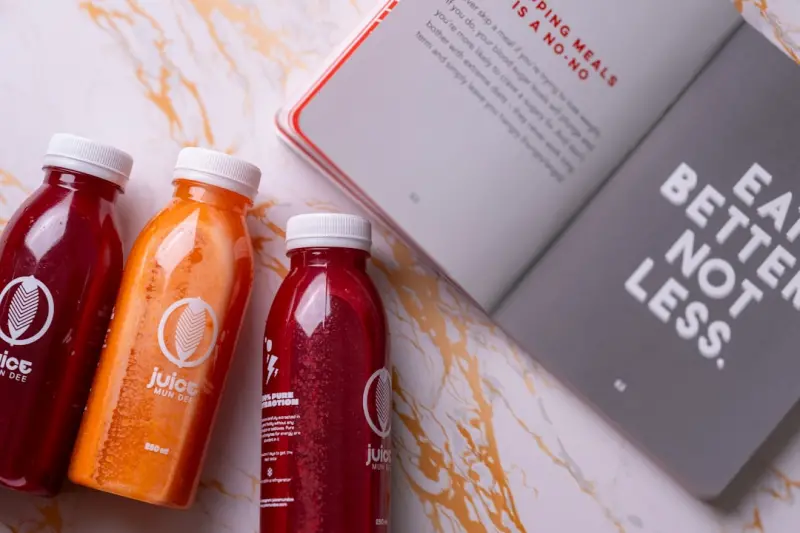
The Flavor‑First Blueprint: Redefining Nutrition for Creative Minds
A fresh approach to eating, this post shows how vibrant colors, varied textures, and enticing aromas... Read More
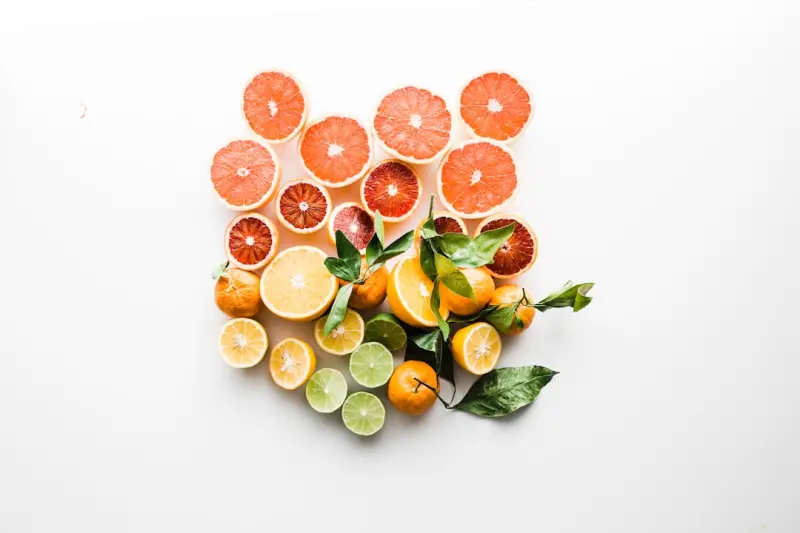
Colorful Nutrition: Boost Energy, Mood, and Performance with Food Pigments
Learn why the colors on your plate matter, how to synchronize pigment intake with your daily rhythm,... Read More
Why the Colors on Your Plate Matter More Than You Think
A vibrant plate isn’t just pleasing to the eye; it’s a powerful tool for hormonal balance. Explo... Read More
Top Posts

Designing Your Pregnancy Narrative: How Storytelling Shapes the Birth Experience
Learn to create a personal pregnancy narrative that turns anxiety into empowerment, using micro‑habits, sensory anchors, and mindful storytelling to shape a p...Read More

My Holistic Path to a Modern Body Detox: Insights from Becky Putman
Becky Putman shares her personal, holistic approach to body detox, blending nutrition, gentle movement, restorative sleep, and mindset shifts for lasting health...Read More
Flavor Chemistry: How Food Pairings Unlock Hidden Nutrients
Explore the science behind food pairings, from black pepper boosting turmeric’s benefits to vitamin C enhancing iron absorption, and learn practical tips to...Read More

Sleep Terrors Unmasked: Tammy French’s Holistic Path to Peaceful Nights
Tammy French reveals how diet, stress management, and holistic tools can silence sleep terrors, offering a roadmap to calm, restorative nights....Read More
0 Comments
Post Comment
You will need to Login or Register to comment on this post!