

When Your Immune System Goes Rogue: A Pragmatic Guide to Harnessing Tech and Lifestyle for Autoimmune Health
Living with an autoimmune disease feels like having a thermostat that’s permanently stuck on “high.” One day you’re breezing through a meeting, and the next, a seemingly innocuous email triggers a flare that leaves you exhausted, achy, and scrambling for relief. I’ve been there—watching my own body turn against itself, feeling helpless in the face of a condition that refuses to follow a tidy script. Over the years I’ve learned that the key isn’t in a single miracle cure, but in weaving together a tapestry of data‑driven insights, small habit hacks, and a mindset that treats the immune system as a partner rather than an adversary.
The Invisible Triggers Lurking in Plain Sight
Most of us think of autoimmune flare‑ups as random, but they’re often the result of subtle, cumulative exposures. Think of the Invisible Detox article you may have read—chemical overload isn’t just a buzzword for skin health; it’s a silent agitator for the immune system. Heavy metals, endocrine‑disrupting chemicals in plastics, and even the fragrance in your office air can tip the balance toward inflammation.
Start by conducting a personal “exposure audit.” Walk through your kitchen, bathroom, and workspace and ask:
- Which products are fragrance‑free or labeled “phthalate‑free”?
- Do I use non‑stick cookware that could leach PFAS?
- Is my drinking water filtered for heavy metals?
Implementing a few low‑effort swaps—glass containers instead of plastic, a simple charcoal filter for tap water, and an air purifier with a HEPA filter—can dramatically reduce the background noise that keeps your immune system on edge.
Sleep: The Unsung Immunomodulator
We all know that a good night’s sleep is “good for you,” but for autoimmunity it’s more than a feel‑good habit; it’s a biochemical reset button. While the Reclaiming Your Night piece talks about bedtime routines, let’s zero in on how sleep architecture directly influences autoimmune pathways.
During deep, slow‑wave sleep, the body releases growth hormone and clears out inflammatory cytokines. REM sleep, on the other hand, is a time for emotional processing, which can indirectly calm the immune response. Disrupted sleep—whether from screen time, caffeine, or stress—creates a feedback loop that fuels flare‑ups.
Practical steps:
- Blue‑light hygiene: Install a “night mode” on all devices after sunset and consider amber‑tinted glasses if you must work late.
- Temperature control: Keep your bedroom between 60‑67°F (15‑19°C). A cool environment encourages deeper sleep phases.
- Pre‑sleep wind‑down: Replace scrolling with a 5‑minute diaphragmatic breathing exercise (we’ll revisit this in the tech section).
Data‑Driven Symptom Tracking: Turning Chaos into Clarity
If you’ve ever tried to explain a flare to a doctor, you know the conversation can feel like you’re describing a storm in vague terms: “I felt off.” Modern health tech lets us replace that fog with precise, quantifiable data. Here’s how to build a lightweight, actionable tracking system without drowning in spreadsheets.
1. Choose a Simple Platform
Many people gravitate toward elaborate apps, but a minimalist solution—such as a digital journal in Notion or a dedicated symptom‑tracking app—lets you log four core variables daily:
- Energy level (1‑10): Quick self‑assessment of fatigue.
- Pain score (0‑10): Separate “muscle pain” from “joint pain” if needed.
- Mood: Happy, neutral, irritable, anxious.
- Trigger exposure: Note foods, stressors, environmental factors.
Over a two‑week period, patterns will emerge. You might discover that a particular brand of sunscreen consistently precedes a flare, or that late‑night emails spike your anxiety and, subsequently, your pain score.
2. Leverage Wearables for Objective Data
Wearable devices—whether a smartwatch or a dedicated sleep tracker—provide continuous heart‑rate variability (HRV) and sleep stage data. A dip in HRV often precedes a flare, serving as an early warning signal. Sync this data with your symptom log and you’ll have a powerful predictive model.
3. Apply Basic AI Insights
Even if you’re not a data scientist, many apps now include AI‑driven trend analysis. They’ll flag “high‑risk days” when your combined HRV, sleep quality, and symptom scores dip below a personal baseline. Use those alerts to pre‑emptively adjust your routine—perhaps by taking a short restorative yoga session or adding an extra cup of anti‑inflammatory herbal tea.
Movement as Medicine—But Not the “One‑Size‑Fits‑All” Kind
When I first heard “exercise is good for autoimmunity,” I imagined grueling cardio marathons. The reality is far gentler and far more effective: movement that respects your body’s current limits while gradually expanding its capacity.
Here are three tiers of movement you can adopt, regardless of where you’re starting from:
- Micro‑Mobility: Five minutes of joint circles, neck rolls, and ankle pumps every hour. These micro‑breaks improve circulation and reduce stiffness without triggering fatigue.
- Low‑Impact Cardio: Swimming, stationary cycling, or brisk walking for 15‑20 minutes, three times a week. The goal is to raise heart rate modestly (120‑130 bpm) to stimulate anti‑inflammatory cytokines.
- Strength & Balance: Body‑weight exercises (wall sits, seated leg lifts) and balance drills (single‑leg stands) twice weekly to support joint stability.
Crucially, listen to your body’s feedback loop. If a session leaves you feeling drained the next day, scale back. Consistency, not intensity, is the golden rule.
Nutrition: The Quiet Architect of Autoimmune Balance
While the blog has covered the microbiome in newborns, the adult gut–immune axis deserves equal attention. Certain dietary patterns can either fuel or soothe systemic inflammation.
Anti‑Inflammatory Staples
- Omega‑3 fatty acids: Fatty fish, chia seeds, and walnuts help shift the eicosanoid balance toward less inflammatory mediators.
- Polyphenol‑rich foods: Berries, turmeric, and green tea provide antioxidant scaffolding that protects immune cells from oxidative stress.
- Fermented foods: Sauerkraut, kefir, and kimchi introduce beneficial microbes that train the immune system to tolerate rather than attack.
What to Cut Back On
Processed sugars, refined grains, and excessive dairy have been shown to exacerbate gut permeability—often called “leaky gut”—which can act as a catalyst for autoimmune activity. Reducing these foods doesn’t mean you must become a vegan; it simply means being intentional about quality and quantity.
The Liver’s Role in Autoimmunity—A Hidden Ally
Many overlook the liver’s contribution to immune regulation. It’s not just a detox organ; it synthesizes acute‑phase proteins that modulate inflammation. The Liver’s Quiet Power post dives deep into metabolic resilience, and the same principles apply here.
Support your liver with:
- Milk thistle supplementation (standardized to 80 % silymarin).
- Cruciferous vegetables (broccoli, Brussels sprouts) that boost Phase II detox enzymes.
- Regular hydration—aim for at least 2 liters of water daily to facilitate bile flow.
Mind‑Body Integration: Breathing, Meditation, and Emotional Resilience
Stress is a well‑documented flare trigger. While yoga and meditation are common recommendations, the key is finding a practice that feels sustainable.
Try this 5‑minute “Reset Breath” sequence twice daily:
- Inhale through the nose for a count of 4.
- Hold for a count of 7.
- Exhale slowly through the mouth for a count of 8.
- Repeat three times.
Couple the breath work with a quick gratitude jot‑down: name three things that felt good that day. Over weeks, you’ll notice a subtle shift in baseline mood and, often, a reduction in flare frequency.
Community Connection—Beyond the Traditional Support Group
Isolation can magnify symptom perception. While online forums are valuable, I found the most transformative interactions come from “skill‑swap” circles. Pair up with someone who has a complementary expertise—perhaps a nutritionist, a yoga instructor, or a data analyst—and exchange weekly insights. This creates accountability, introduces fresh perspectives, and keeps the conversation focused on actionable steps rather than just venting.
Putting It All Together: A Sample 7‑Day Action Plan
Below is a practical, low‑barrier roadmap you can start this week. Feel free to modify based on your own triggers and energy levels.
| Day | Morning | Afternoon | Evening |
|---|---|---|---|
| Monday | Hydrate (500 ml water) + 5‑minute Reset Breath | Micro‑mobility breaks every hour; log symptoms | Screen‑free 30 min, warm bath with Epsom salts, bedtime routine from Reclaiming Your Night |
| Tuesday | Omega‑3 smoothie (spinach, chia, almond milk) | Low‑impact cardio (20 min walk) | Fermented snack (kimchi), journaling triggers, early lights out |
| Wednesday | Morning breath sequence + gratitude list | Work‑station ergonomic check (light, temperature) | Read a calming article (no news), gentle stretching, sleep hygiene |
| Thursday | Milk thistle supplement, lemon water | Skill‑swap call with a nutrition friend | Screen‑free dinner, probiotic‑rich yogurt |
| Friday | Quick HRV check, note baseline | Micro‑mobility + light strength (wall sits) | Relaxing music, deep breathing, early bedtime |
| Saturday | Nature walk (sunlight exposure) | Meal prep: anti‑inflammatory soups, fermented sides | Family time, no devices after 8 pm |
| Sunday | Reflect on weekly data trends, adjust triggers list | Restorative yoga (optional) or gentle stretching | Plan next week’s micro‑mobility schedule, early lights out |
By the end of the week you’ll have concrete data, a clearer sense of which exposures matter, and a handful of habits that don’t feel like chores. The magic isn’t in perfection; it’s in the iterative loop of observation, adjustment, and compassionate self‑care.
Looking Ahead: The Future of Autoimmune Management
Technology is moving fast. In the next few years we’ll see AI‑driven platforms that integrate genetic data, microbiome sequencing, and real‑time wearables to deliver personalized flare‑prediction dashboards. Imagine receiving a gentle vibration on your wrist when your HRV dips, prompting you to sip a calming tea or engage in a five‑minute meditation before a full‑blown flare.
Until those sophisticated tools become mainstream, the principles outlined here—environmental vigilance, sleep optimization, data‑driven tracking, mindful movement, and supportive community—are the scaffolding you can build on today. Autoimmune disease may be a lifelong companion, but you can rewrite the story from “victim” to “strategist.”

Deb Roberts is a freelancer who writes on various subjects, bringing versatility and depth to her work. Alongside her broad writing expertise, she has a special passion for horses.
Related Posts

Rewriting the Autoimmune Narrative: Everyday Strategies for Resilience and Renewal
Learn how to turn your autoimmune diagnosis into a dynamic story of empowerment with practical tips ... Read More

Mapping the Invisible Battlefield: Precision Tools to Outsmart Autoimmune Flare‑Ups
A deep dive into how personalized data, wearables, diet texture tricks, and environment design can g... Read More
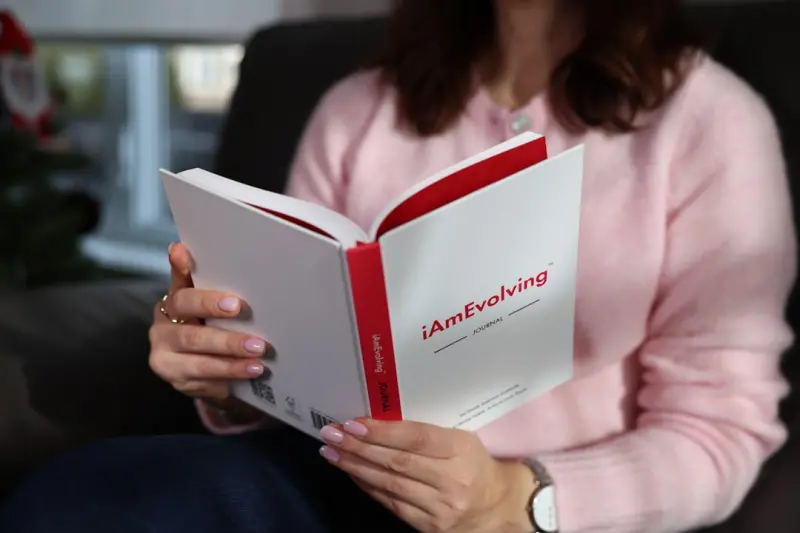
Navigating Autoimmune Health: A Personal Blueprint for Everyday Resilience
Explore a unique, lived‑experience guide that blends environmental epigenetics, gut‑soil connect... Read More
Top Posts

Breathing Into Balance: Harnessing Breathwork for Hormonal Harmony
Explore the science behind breathwork and its powerful effects on hormonal balance, stress reduction, and overall health, with practical techniques and wearable...Read More
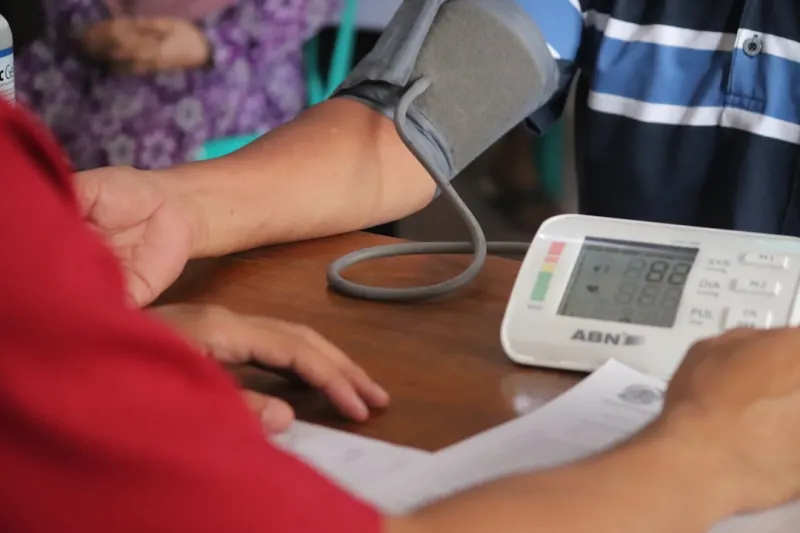
Mastering Blood Pressure: A Holistic Blueprint for Everyday Balance
Learn how to naturally balance blood pressure through diet, exercise, stress management, sleep, and whole‑body detox for lasting heart health....Read More

The Science of Nutrient Layering: Crafting Meals That Sharpen Focus and Boost Creativity
Learn the art of nutrient layering—stacking carbs, proteins, fats, and micronutrients in the right order—to sustain focus, fuel creativity, and support reco...Read More

Community Ways to Lower Blood Pressure
Discover how building a supportive community, leveraging micro‑habits, and incorporating playful competition can sustainably reduce blood pressure, boost resi...Read More
0 Comments
Post Comment
You will need to Login or Register to comment on this post!