

Understanding the Blood Sugar Rollercoaster
Every morning I stare at the kitchen counter, a silent battlefield where carbs, fats, and proteins vie for dominance, and I know that the first bite will set the tone for my entire day; a modest bowl of steel‑cut oats paired with cinnamon and a handful of berries can keep my glucose humming at a steady 90‑100 mg/dL, while a sugary cereal can launch it into a frantic 180‑plus spike that leaves me feeling jittery and exhausted within hours. Blood sugar volatility isn’t just a numbers game—it reverberates through my mood, energy, and even my ability to focus on the work that fuels my passion for holistic health, turning simple tasks into Herculean efforts when the crash hits. Over the years I’ve learned that the body’s insulin response is a sophisticated orchestra, and when one instrument—like a high‑glycemic snack—plays too loudly, the entire symphony falters, reminding me that true stability comes from respecting the delicate biochemical dance rather than trying to outrun it.
When I first noticed the tell‑tale signs—mid‑afternoon fog, cravings that felt like an urgent call to the pantry, and restless nights where my mind replayed the day’s glucose highs and lows—I realized that managing blood sugar required more than a quick fix; it demanded a holistic lens that accounted for stress, sleep, and even the microbes inhabiting my gut. The gut‑brain axis, a concept I explored deeply in my piece Nurturing Your Inner Garden, revealed that the composition of my microbiome can influence insulin sensitivity, meaning that the foods I choose not only fuel my cells but also shape the very ecosystem that modulates hormonal responses. This insight shifted my strategy from reactive sugar spikes to proactive nourishment, where each meal is designed to support a balanced microbiota, steady cortisol levels, and a calm nervous system—all essential allies in the quest for glucose equilibrium.
Beyond the physiological, there’s a psychological dimension that often goes unnoticed; the stress of a looming deadline or a chaotic household can trigger cortisol surges that blunt insulin’s effectiveness, creating a feedback loop where the body stores more glucose as fat, prompting further cravings for quick energy sources. I’ve found that integrating mindful breathing and brief movement breaks, even during a packed workday, can lower cortisol by up to 30 %, allowing insulin to do its job without the interference of chronic stress hormones. This simple practice, highlighted in my article Finding Calm in the Chaos, not only steadies my mood but also keeps my blood sugar from spiraling, proving that mental wellness is an indispensable pillar of metabolic health.
Holistic Tools to Stabilize Glucose
One of the most transformative habits I’ve adopted is timing my meals around my circadian rhythm, a strategy I detail in Reboot Your System, where aligning food intake with daylight helps synchronize insulin release with natural hormone cycles, reducing the risk of late‑night spikes that can linger into morning fasting periods. By front‑loading calories earlier in the day—favoring a protein‑rich breakfast and a nutrient‑dense lunch—I give my pancreas ample time to process glucose before the body winds down, resulting in smoother fasting glucose levels and a more rested metabolic system.
Another cornerstone of my approach is leveraging the power of fiber and healthy fats to blunt carbohydrate absorption; a drizzle of extra‑virgin olive oil over roasted vegetables or a tablespoon of chia seeds blended into a smoothie creates a viscous matrix that slows gastric emptying, allowing glucose to enter the bloodstream gradually and preventing the dreaded post‑meal surge. I also incorporate low‑glycemic fruits like green apples and berries, which provide antioxidants without overwhelming the insulin response, and I pair them with a modest portion of nuts to further moderate the glycemic impact while delivering satiety‑boosting omega‑3s.
My personal roadmap to stable glucose is anchored by the lessons I shared in Balancing Blood Sugar Naturally, where I emphasize the synergistic effect of regular, moderate movement; even a brisk 20‑minute walk after lunch can activate GLUT‑4 transporters in muscle cells, pulling glucose out of circulation and improving insulin sensitivity without the intensity of a high‑impact workout. Pairing movement with post‑exercise nutrition—such as a small whey protein shake or a handful of almonds—provides the amino acids needed for muscle repair while keeping blood sugar steady, turning exercise into a natural glucose regulator rather than a stressor.
Living a Balanced Life Beyond the Numbers
While the metrics—fasting glucose, HbA1c, and continuous glucose monitor trends—are invaluable guides, I’ve learned that true mastery of blood sugar comes from listening to the body’s subtle cues: the way my skin feels, the clarity of my thoughts, and the steadiness of my energy throughout the day. When I notice a dip in focus or a sudden craving for sweets, I pause to assess sleep quality, hydration status, and emotional wellbeing, recognizing that dehydration or a restless night can masquerade as a glycemic issue, prompting unnecessary dietary restrictions that could do more harm than good.
Nutrition, movement, and mindset form a triad that I continually refine; for instance, I experiment with intermittent fasting windows that align with my natural hunger patterns, often opting for a 12‑hour fast that respects both my metabolic rhythm and my social schedule, ensuring sustainability over rigidity. This flexible approach, highlighted in The Holistic Playbook for Lifelong Vitality, encourages me to view blood sugar management as a lifestyle, not a temporary diet, fostering resilience that can adapt to life’s inevitable changes, from travel to stress spikes.
Ultimately, the goal isn’t a perfect number on a lab report but a feeling of steadiness that empowers me to engage fully in work, family, and creative pursuits without the shadow of a glucose rollercoaster; by honoring the interconnectedness of food, movement, sleep, and stress, I’ve crafted a sustainable blueprint that keeps my blood sugar—and my life—in harmonious balance.

Related Posts

Beyond Numbers: A Whole‑Person Blueprint for Stable Blood Sugar
A holistic, systems‑thinking guide shows how indoor air quality, lighting, micro‑movements, stre... Read More
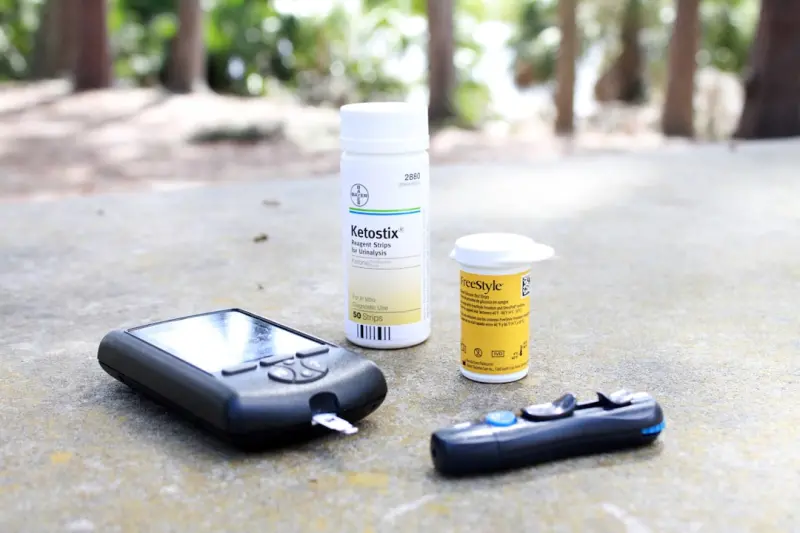
Glucose Budgeting: A Fresh, Sustainable Way to Manage Blood Sugar
Treat blood sugar management like a personal finance project: track carb “income,” log glucose â... Read More
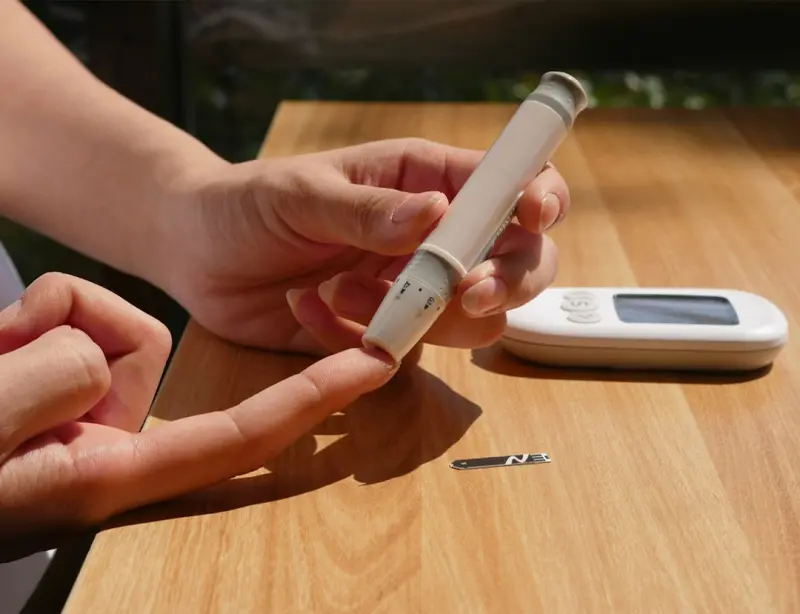
Rethinking Blood Sugar: Rhythm, Movement, and Social Flow
A novel approach to blood‑sugar management that blends ultradian rhythms, micro‑meals, brief mov... Read More
Top Posts

The Improvisational Athlete: Turning Workouts into Creative Jam Sessions
Learn to transform your routine into a spontaneous, music‑driven workout that fuels creativity, resilience, and peak performance—without sacrificing data‑...Read More

Flavorful Focus: Crafting a Nutrition Blueprint for Creative Power
Tammy French reveals a fresh nutrition framework that uses color, timing, micro‑nutrients, and mindful eating to amplify creative performance and mental stami...Read More

Unlocking Muscle Memory: How to Bounce Back Faster After a Training Break
Discover the science behind muscle memory and a step‑by‑step blueprint to regain strength faster after a break, using smart nutrition, mobility work, sleep,...Read More

Micro‑Narratives for Managing Blood Pressure: Turning Tiny Actions into a Calm Story
Learn how to use micro‑narratives, rhythmic alignment, and immune‑supportive habits to keep blood pressure low, all while fitting seamlessly into a busy pro...Read More
0 Comments
Post Comment
You will need to Login or Register to comment on this post!