
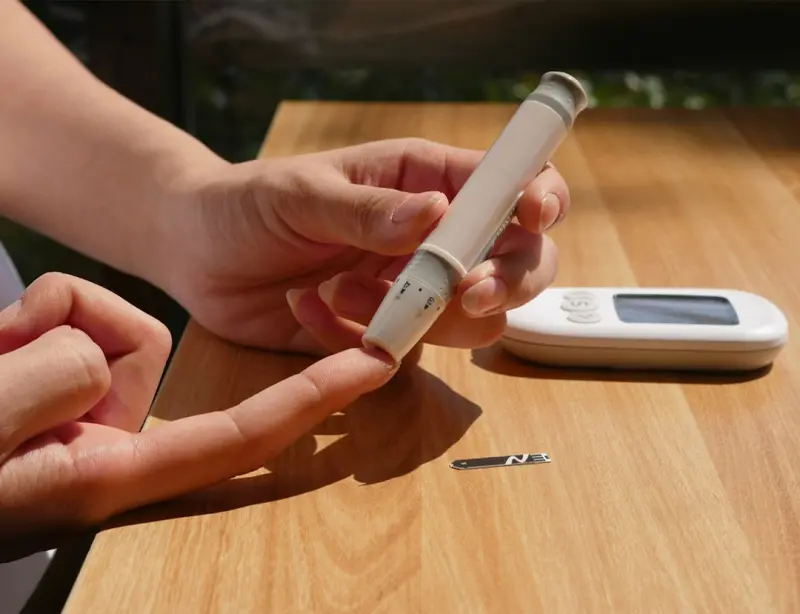
When it comes to blood‑sugar management, most conversations orbit around carbs, insulin, and the occasional “low‑glycemic” label. That’s useful, but it’s only the tip of the iceberg. Real, sustainable glucose control is a choreography of timing, micro‑movements, and even the cadence of our social interactions. In this post, I’ll walk you through a fresh framework that blends physiological insight with everyday habits—no fancy gadgets required, just a bit of curiosity and willingness to experiment.
1. The Hidden Rhythm of Daily Life
Our bodies are built on circadian and ultradian cycles. While the 24‑hour sleep‑wake rhythm gets most of the press, shorter ultradian waves—lasting 90–120 minutes—regulate hormone release, digestive efficiency, and insulin sensitivity. When we ignore these natural pulses and eat on a strict clock that doesn’t align with our internal tempo, we set ourselves up for glucose spikes and crashes.
Imagine your day as a symphony: the first movement is waking, the second is the mid‑morning surge, the third is the post‑lunch lull, and the finale is the evening wind‑down. If you force a heavy, carbohydrate‑dense solo during the second movement (the mid‑morning ultradian peak), the audience—your pancreas—gets overwhelmed, and the resulting glucose crescendo can linger for hours.
To harness this rhythm, start by observing when you naturally feel most energetic versus when you hit a slump. Use a simple notebook or a phone note to jot down energy levels every two hours for a week. You’ll likely see a repeating pattern that mirrors those 90‑minute cycles. Aligning your meals and light movement with those peaks can smooth the glucose curve dramatically.
2. Micro‑Meal Timing: The Sweet Spot Between Hunger and Hormones
Traditional advice tells us to eat three square meals a day. The reality for blood‑sugar stability, however, is more nuanced. A micro‑meal strategy—eating modest portions every 2–3 hours—keeps insulin from swinging dramatically.
- Pre‑emptive snack: About 30 minutes before an expected dip (usually mid‑morning or mid‑afternoon), reach for a protein‑rich snack—think a handful of almonds or a hard‑boiled egg. This buffers the upcoming glucose dip and prevents a compensatory binge.
- Post‑exercise refuel: After any brisk walk or micro‑burst of activity, choose a balanced combo of protein and low‑glycemic carbs (e.g., Greek yogurt with berries). This replenishes glycogen without spiking blood sugar.
- Evening wind‑down: Aim for a light, fiber‑heavy dinner at least two hours before bedtime. Fiber slows gastric emptying, giving your liver a chance to process glucose overnight.
These micro‑meals aren’t about restriction; they’re about synchronizing food intake with hormonal windows when your body is primed to handle glucose efficiently.
3. Movement Micro‑Bursts: Walking the Glucose Wave
We all know that a 30‑minute jog improves insulin sensitivity, but most of us can’t carve out that much time. The good news: micro‑bursts of movement—as brief as 60 seconds—can still move glucose out of the bloodstream.
Here’s a practical playbook:
- Set a timer for every 90 minutes (mirroring your ultradian rhythm). When it buzzes, stand, stretch, and do a quick 30‑second march in place or a set of chair squats.
- If you’re at a desk, try the “desk‑push”: place both hands on the edge of your desk and push down, engaging the chest and shoulders while you stand.
- During TV commercial breaks, swap a snack for a “commercial cardio” routine—high knees or side‑to‑side steps for the length of the ad.
These micro‑bursts have three benefits: they stimulate GLUT‑4 transporters in muscle, they lower post‑prandial glucose peaks, and they keep the nervous system from slipping into a chronic stress mode that can impair insulin signaling.
4. Mindful Social Eating: Conversation as a Metabolic Tool
Eating is a social act. The tone, pace, and even the emotional temperature of a conversation can influence hormone release—especially cortisol, the stress hormone that antagonizes insulin. A relaxed, engaging chat can lower cortisol, while a tense or rushed meal can do the opposite.
Try these tweaks:
- Set the scene: Dim lights, soft music, and a clutter‑free table create a calming environment that encourages slower chewing and better satiety signals.
- Conversation pacing: Aim for a pause of 15–20 seconds after each bite before speaking again. This naturally slows the eating rate, giving the brain time to register fullness.
- Positive topics: Light, uplifting topics tend to reduce cortisol spikes. If a meeting turns contentious, suggest a short “gratitude round” where each person shares something they appreciate that day.
By treating the social dimension of meals as an active lever, you can subtly influence your glucose response without altering the food itself.
5. Tech Tools Without the Noise
Continuous glucose monitors (CGMs) have democratized data, but the avalanche of alerts can become counter‑productive. The key is to use technology as a feedback loop, not a babysitter.
Start with a simple weekly snapshot: record fasting glucose each morning, note the highest post‑meal reading, and score your energy on a 1–10 scale. Look for patterns rather than obsess over minute‑by‑minute fluctuations.
Pair this data with the brain‑boosting micro‑practices that enhance focus and reduce stress, which indirectly supports better insulin action. When you notice a spike after a particular activity or stressor, adjust the habit rather than trying to “fix” the number with medication.
6. Liver‑Supportive Habits for Glucose Balance
The liver is the unsung hero in glucose homeostasis, storing glycogen and releasing glucose during fasting. Supporting hepatic function can smooth out the peaks and valleys you experience throughout the day.
Incorporate these habits:
- Gentle coffee timing: A modest cup of coffee 30 minutes before a light snack can stimulate glucagon release, helping the liver mobilize stored glucose without a surge.
- Polyphenol‑rich foods: Berries, green tea, and dark chocolate (in moderation) provide antioxidants that protect liver cells from oxidative stress.
- Hydration with electrolytes: Adding a pinch of sea salt to water helps the liver maintain the osmotic balance needed for efficient glycogen synthesis.
These suggestions dovetail nicely with the liver‑supporting habits we’ve explored in other contexts, proving that small, consistent actions yield outsized results.
7. Environment‑Design Hacks for Glucose Control
Our surroundings shape our behavior more than we realize. By redesigning the immediate environment, you can make the right choices almost automatic.
Consider these tweaks:
- Visual cues: Keep a bowl of fresh fruit on the counter and store processed snacks out of sight (or in a higher cabinet). Your brain will default to the visible, healthier option.
- Plate size: Use smaller plates to trick your mind into feeling satisfied with less food, reducing the post‑meal glucose surge.
- Ambient temperature: Slightly cooler indoor temperatures (around 68°F/20°C) have been shown to boost brown‑fat activity, which can help burn excess glucose.
These environment tweaks are low‑effort but high‑impact, echoing the principles from the environment‑design hacks that have helped many achieve healthier weight trajectories. Apply the same logic to glucose control, and the results follow.
8. A 7‑Day Blueprint to Test the Rhythm
Ready to experiment? Here’s a concise plan that blends the concepts above. Track your fasting glucose on day 1, then follow the daily checklist. At the end of the week, compare the numbers and note how you feel.
| Day | Key Action | Notes |
|---|---|---|
| 1 | Identify personal ultradian peaks (log energy every 2 hrs) | Use a simple spreadsheet. |
| 2 | Implement micro‑meals aligned with identified peaks | Protein + fiber combos. |
| 3 | Introduce 60‑second movement bursts every 90 mins | Set phone timer. |
| 4 | Optimize dinner ambience and conversation pacing | Dim lights, pause after bites. |
| 5 | Log weekly glucose snapshot; reflect on stress levels | Use a single morning reading. |
| 6 | Apply liver‑supportive habits (polyphenols, coffee timing) | Morning berry smoothie. |
| 7 | Re‑evaluate environment: plate size, snack visibility | Swap out junk snacks. |
After seven days, you should see a smoother glucose curve and a noticeable boost in mental clarity and energy. The real magic happens when you iterate—fine‑tune the timing, adjust the snack composition, or shift the movement schedule based on what your body tells you.
Conclusion: The Power of Small, Aligned Choices
Managing blood sugar isn’t about a single diet overhaul or an endless stream of supplements. It’s about listening to the body’s innate rhythms and gently nudging daily habits to cooperate with those cycles. By integrating micro‑meal timing, brief movement bursts, mindful social eating, supportive liver practices, and thoughtful environment design, you create a resilient metabolic ecosystem that naturally keeps glucose in check.
Give yourself permission to experiment, observe, and adapt. The most sustainable change comes from the satisfaction of noticing a calmer afternoon, a more stable mood, and the quiet confidence that your glucose levels are finally doing the work for you—not the other way around.

Brody Lambert is an emerging freelance writer whose fresh voice and thoughtful approach are quickly making their mark. As a fairly new entrant in the world of freelance writing, Brody brings a blend of curiosity and dedication that fuels every project, crafting stories and content that resonate with authenticity and clarity.
Related Posts
Steady Energy: A Practical Blueprint for Day‑Long Blood Sugar Balance
Discover practical strategies—from optimal meal windows and fiber pairings to cooler workspaces an... Read More

Managing Blood Sugar: A Holistic Approach to Wellness
Learn how to manage blood sugar levels through a holistic approach, incorporating nutrition, exercis... Read More
Rethink Your Glucose: A Data‑First Path to Stable Blood Sugar
A practical guide that turns continuous glucose data into actionable daily habits, leveraging microâ... Read More
Top Posts

Micro‑Switches for Mind: Tiny Sensory Tricks to Calm the Overloaded Brain
A guide to simple, science‑based sensory micro‑switches that help you reset your nervous system, lower anxiety, and stay sharp in demanding work environment...Read More

The Healing Power of Touch: Simple Practices to Boost Your Baby’s Health
Explore the science and step‑by‑step routines of skin‑to‑skin contact and infant massage, revealing how intentional touch boosts immunity, reduces stres...Read More

Pregnancy as a Creative Canvas: Curating Your Journey with Senses, Sound, and Story
Explore a fresh perspective on pregnancy by treating it as an artistic project—using scent, sound, nutrition, and storytelling to craft a nurturing, intention...Read More

The Power of Structured Day‑Offs for Mental Clarity
A structured day‑off is a deliberate, boundary‑rich break that resets the brain, boosts resilience, and fuels productivity—turning downtime into a strateg...Read More
0 Comments
Post Comment
You will need to Login or Register to comment on this post!