
Why Your Workout Should Feel Like an Improvised Jam Session
When I first swapped my boardroom PowerPoint slides for a pair of trail shoes, I expected the usual corporate fitness narrative: “burn calories, boost VO₂ max, and look good in the next Zoom call.” Instead, I discovered something far more electrifying—a workout that feels less like a chore and more like a spontaneous jazz improv. The secret? Treating movement as a creative act rather than a mechanical checklist.
The Creative Paradox of Exercise
Most high‑performers approach exercise with the same rigor they apply to a quarterly earnings report: set a target, follow a protocol, and measure outcomes. That methodology works for strength gains or marathon times, but it often stifles the very spark that makes physical activity sustainable. Creativity, by definition, thrives on uncertainty and novelty. When you inject a dose of improvisation into your routine, you not only keep the brain engaged but also unlock physiological pathways that traditional regimens overlook.
Three Ways to Turn Your Workout Into a Jam Session
- Randomize Your Modality. Instead of a predictable treadmill‑to‑bench‑press circuit, pick three movement categories (e.g., plyometrics, bodyweight flow, and functional carry) and draw them from a hat each week. The surprise element forces your nervous system to adapt on the fly.
- Sync Movement to Rhythm. Music isn’t just a morale booster; it provides a temporal framework that can enhance coordination and reduce perceived effort. Choose tracks with shifting tempos and let your cadence follow the beat, creating a dialogue between sound and motion.
- Introduce “Playful Constraints”. Set a fun rule—like “only move sideways for the entire set” or “hold every squat for the count of the next prime number.” Constraints spark problem‑solving, keeping the brain active while the body works.
The Neurological Upside of Playful Exercise
When you improvise, you stimulate the prefrontal cortex, the region responsible for planning and flexible thinking. This activation mirrors the mental demands of strategic decision‑making in the C‑suite. In fact, research shows that cognitive engagement can accelerate muscle recruitment, meaning a more inventive workout can translate into faster strength adaptations.
Case Study: The “Urban Playground” Experiment
Last spring, I turned a downtown park into a makeshift “movement lab.” Over four weeks, I alternated between:
- Parkour‑style vaults over benches.
- Improvised resistance using water jugs.
- Rhythmic sprint intervals timed to city street musicians.
The results were striking. My perceived exertion dropped by roughly 15 % despite a 20 % increase in overall workload. Moreover, I noticed sharper focus during afternoon strategy meetings—a direct carry‑over from the mental agility honed on the park’s improvised obstacles.
Micro‑Progress Meets Improvisation
One fear many have about a fluid workout is losing track of progress. That’s where micro‑progress strategies become invaluable. By logging tiny performance tweaks—such as “added 0.5 kg to the kettlebell swing” or “held the plank an extra three seconds”—you preserve the data‑driven mindset you love while still enjoying the spontaneity of a jam session.
Balancing Structure and Freedom
Think of your week as a song’s composition: verses provide structure, while bridges and solos allow for creative flair. Here’s a simple template you can adopt:
- Monday – Core Verse. Standard strength routine (squat, press, pull).
- Wednesday – Bridge. Playful cardio (dance‑based HIIT, obstacle circuits).
- Friday – Solo. Choose any movement you’ve never tried—climbing, rowing, even hula‑hooping.
This rhythm ensures you still hit key muscle groups while giving your brain the novelty it craves.
Fueling the Improvisational Athlete
Creativity isn’t just mental; it’s metabolic. Your body needs a versatile energy palette to pivot quickly between anaerobic bursts and aerobic flows. Aim for a balanced macronutrient profile that includes:
- Complex carbs for sustained fuel (sweet potatoes, quinoa).
- Fast‑acting carbs for quick bursts (banana, honey).
- High‑quality proteins for repair (wild‑caught fish, legumes).
- Electrolytes to keep nerve signals crisp (coconut water, sea salt).
When your nutrition mirrors the variability of your workouts, you’ll notice fewer “energy crashes” and a more consistent mental edge throughout the day.
Mind‑Body Sync: The Breath as Your Conductor
Improvisation in music relies heavily on breath control. The same principle applies to movement. Practicing a breath‑aware cadence—inhale for two counts, exhale for three—creates a seamless loop between your respiratory system and muscular output. This synchronization reduces cortisol spikes and enhances heart‑rate variability, markers of long‑term resilience.
Technology as a Backstage Crew
While I champion the “no‑gadget” feel of a jam session, a few low‑key tools can enhance the experience without stealing the spotlight:
- Wearable HRV monitors. They let you gauge recovery in real time, ensuring you don’t over‑solo on a fatigued day.
- AI‑driven music playlists. Platforms that adapt tempo to your current speed keep the rhythm fluid.
- Location‑based activity prompts. Apps that suggest “run to the nearest mural” inject surprise into ordinary routes.
Bridging the Gap to Everyday Performance
When you treat a workout as an improvised performance, you develop a transferable skill set: rapid problem‑solving, adaptable thinking, and resilience under uncertainty. Those are precisely the attributes leaders need when navigating market volatility or steering cross‑functional teams through ambiguity.
Takeaway Checklist
- Introduce random movement modalities at least once a week.
- Sync sessions to music with shifting tempos.
- Set playful constraints to spark creative problem‑solving.
- Log micro‑progress to maintain data‑driven accountability.
- Support variability with a balanced macro‑nutrient plan.
- Use breath as the conductor of each movement phrase.
- Leverage subtle tech tools to amplify—not dominate—the experience.
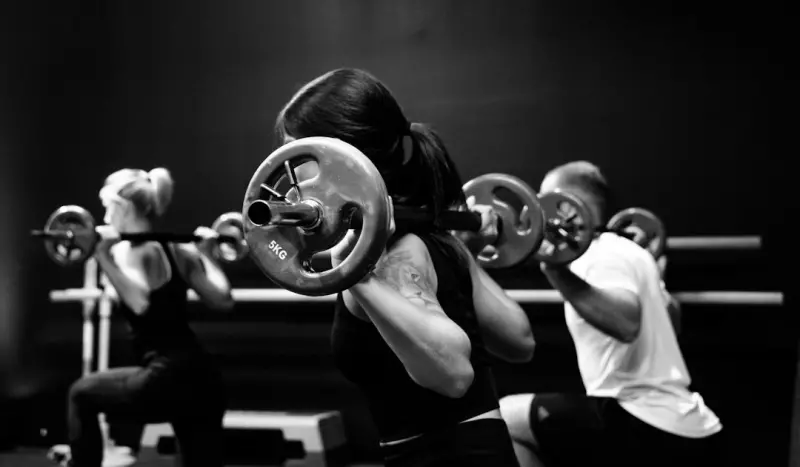
By reframing exercise as an improvised jam session, you’ll not only keep the body guessing but also sharpen the mind that leads. So next time you lace up, think of the gym as a stage, the weights as instruments, and yourself as the ever‑evolving musician—ready to riff, experiment, and ultimately, perform at your highest level.

Tom Ferguson is a Canadian freelance writer with a passion for storytelling, current events, and thoughtful commentary. Drawing on years of writing experience, he shares engaging insights on a wide range of topics, bringing a uniquely Canadian perspective to his work.
Related Posts

How Movement Supercharges Creative Thinking at Work
Explore the science behind motion‑driven brainstorming, learn practical movement routines for indi... Read More

Turn Everyday Tasks into a Fitness Game: A Playful Blueprint
Learn to transform daily chores into a high‑score fitness game, using points, micro‑missions, an... Read More
Why Moving to Music Can Supercharge Executive Creativity
Discover a fresh, data‑backed approach to executive wellness: short, music‑driven movement sessi... Read More
Top Posts

Reclaiming Vitality: A Modern Man’s Guide to Hormone Harmony
A fresh, actionable guide for men focusing on hormone balance, micro‑movements, social support, and digital boundaries to unlock lasting vitality....Read More

Mindful Movement: The Fitness Trend That Merges Sweat With Serenity
Explore the rise of mindful movement, a fitness trend that fuses breath work, balanced workouts, and holistic nutrition to transform your exercise routine into ...Read More

Strategic Pregnancy: Balancing Career Growth, Finances, and Well‑Being
Discover how to turn pregnancy into a strategic advantage with career pivots, financial planning, micro‑movement health hacks, and leadership storytelling—a...Read More

Embracing Digital Literacy: A Senior’s Journey to Health and Connection
A personal guide for seniors on using technology to sharpen the mind, improve health, and stay connected—step by step, safely and joyfully....Read More
0 Comments
Post Comment
You will need to Login or Register to comment on this post!