
Grounding Your Body: A Nature‑Based Detox Journey
When I first heard the term “detox,” I imagined a strict juice cleanse, a week of kale smoothies, and the occasional sigh of triumph when the bathroom scale finally tipped in my favor. But after years of juggling freelance design deadlines, late‑night brainstorming sessions, and the inevitable digital overload, I realized that true detox is less about depriving the palate and more about re‑establishing the body’s natural conversation with the earth.
In this post, I’m pulling back the curtain on a detox method that rarely makes the mainstream buzz: grounding, also known as earthing. It’s the practice of making direct physical contact with the planet—whether that’s walking barefoot on grass, feeling sand between your toes, or simply sitting on a stone while you sip tea. The premise is simple, yet the science behind it is surprisingly robust, and the benefits stretch far beyond a fleeting feeling of “cleanliness.”
Why Grounding Deserves a Spot in Your Detox Toolkit
Our bodies are, at the most fundamental level, electrical systems. Every heartbeat, muscle contraction, and neuron firing is a tiny flow of electrons. Over the past few decades, research has shown that modern lifestyles—think insulated shoes, synthetic flooring, and the constant hum of electronic devices—can create a subtle, chronic positive charge in our bodies. This isn’t a dramatic “static shock” you feel after shuffling across a carpet; it’s a low‑grade, pervasive electrical imbalance that may contribute to inflammation, poor sleep, and sluggish recovery.
Grounding works by reconnecting us to the earth’s virtually limitless supply of free electrons. When your skin makes contact with the ground, electrons flow into your body, acting like natural antioxidants that neutralize free radicals. In practical terms, this can translate to:
- Reduced muscle soreness after a long day of sitting at a desk.
- Improved sleep quality, especially for those who struggle with restless nights.
- Lowered baseline inflammation, which is a silent driver of many chronic conditions.
- A subtle boost in energy and mental clarity, as the body operates with fewer “electrical hiccups.”li>
These outcomes align perfectly with a holistic detox: clearing out the subtle “toxins” that aren’t captured by a standard blood panel but still affect how you feel day‑to‑day.
Getting Started: The Grounding Basics
Before you sprint into a barefoot marathon, let’s break down the steps into a realistic, sustainable routine.
- Choose Your Surface. Natural materials—grass, soil, sand, and unpainted wood—are ideal. If you live in an urban apartment, a balcony garden or a patch of potted soil can work just as well.
- Set a Time Frame. Start with 10‑15 minutes a day. The goal isn’t to “sweat it out” but to let the electrons flow uninterrupted.
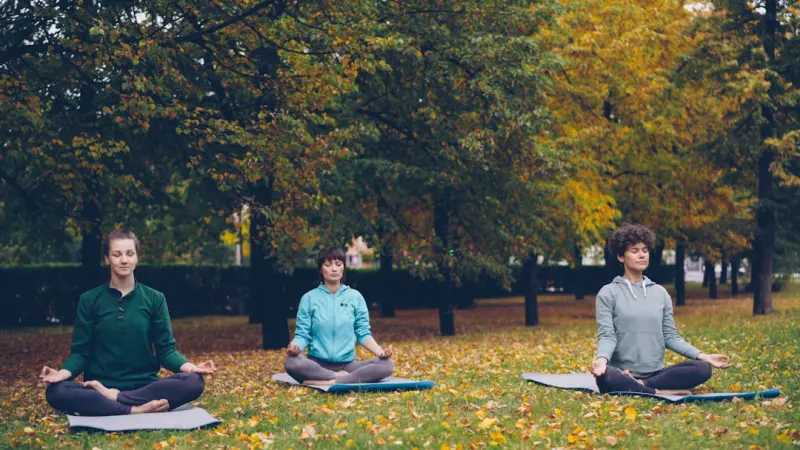
- Mindful Presence. Use this time as a mini‑meditation. Feel the texture of the ground, notice the temperature, and let your breath synchronize with the rhythm of the earth.
- Integrate with Movement. Gentle yoga poses, tai chi, or simply walking while listening to ambient nature sounds can amplify the effect.
- Stay Consistent. Like any health habit, consistency outweighs intensity. A daily 10‑minute grounding session can be more beneficial than a single, intense weekend “detox retreat.”
Grounding Meets Other Detox Strategies
Grounding isn’t a standalone miracle; it shines brightest when woven into a broader detox framework. Below are three complementary practices that, when paired with earthing, create a synergistic detox cascade.
1. Breathwork: The Internal Grounding
Deep, diaphragmatic breathing can help shift the body's autonomic nervous system from the stress‑dominant “fight or flight” mode to the restorative “rest and digest” state. When you combine conscious breath with the physical sensation of the earth beneath you, you’re essentially aligning the body’s electrical balance with its metabolic rhythm.
Try this simple sequence during your grounding session:
- Inhale for a count of four, feeling the air fill your belly.
- Hold for a count of two.
- Exhale slowly for a count of six, visualizing any tension draining into the ground.
Repeat for five minutes, and notice how the breath seems to “ground” your thoughts as well as your body.
2. Hydration with Mineral‑Rich Water
Water is the highway for electrons. Staying well‑hydrated, especially with mineral‑rich sources like spring water or electrolyte‑balanced drinks, supports the body’s ability to conduct and distribute the free electrons you receive from the earth.
Tip: Add a pinch of Himalayan pink salt or a splash of freshly squeezed lemon to your water. Both provide trace minerals that aid cellular communication and detox pathways.
3. Light Exposure: Sunlight as a Natural Filter
Morning sunlight triggers the production of vitamin D and helps regulate circadian rhythms. When you combine sun exposure with grounding—perhaps a barefoot walk on a dewy lawn at sunrise—you’re leveraging two natural detox agents simultaneously. The sunlight supports liver function, while the earth supplies antioxidant electrons, creating a dual‑action cleanse that feels both invigorating and soothing.
Real‑World Stories: How Grounding Transformed My Day‑to‑Day
When I first introduced grounding into my routine, I was skeptical. My office is a sleek, carpeted space with ergonomic chairs, and my evenings often end with a laptop glowing on my lap. After a week of 10‑minute barefoot sessions on my balcony garden, I began to notice subtle shifts:
- Morning Clarity. Previously, I would shuffle out of bed feeling foggy. Now, my mind feels crisp, and I’m able to dive into creative work without the usual brain “static.”
- Reduced Post‑Workout Soreness. I’m an avid weekend hiker, and the lingering muscle ache that used to linger for days started to fade more quickly.
- Better Sleep. I fell asleep faster and experienced deeper REM cycles, which I later learned is linked to reduced inflammation—exactly the kind of internal detox we’re aiming for.
These anecdotal observations line up with emerging research on grounding’s impact on cortisol levels, heart rate variability, and inflammatory markers. While individual experiences vary, the pattern is promising enough that I now consider grounding a core component of my wellness regimen.
Integrating Grounding Into a Busy Creative Life
Many of us read articles about detox and think, “I don’t have time for another habit.” The truth is, grounding can be woven seamlessly into existing routines:
- During Creative Breaks. When you need a mental reset between design drafts, step outside for a quick barefoot stroll. The shift in environment can also spark fresh ideas.
- While Waiting for the Laundry. Place a small potted plant by the washer, and use the drying cycle’s idle moments to feel the soil beneath your feet.
- At the End of the Day. Swap your couch for a floor cushion and a low‑lying blanket. Lay down, close your eyes, and let the floor’s natural charge soothe you before bedtime.
Science Spotlight: A Glimpse Into the Research
While grounding is still emerging in mainstream medical discourse, several peer‑reviewed studies provide a foundation:
- A 2015 study published in the Journal of Inflammation Research found that grounding reduced blood viscosity, a known risk factor for cardiovascular disease.
- Research in the European Biology and Bioelectromagnetics journal reported significant improvements in sleep patterns for participants who practiced nightly grounding for four weeks.
- A pilot study on athletes demonstrated faster recovery times and reduced markers of muscle damage when participants incorporated daily grounding sessions.
These findings support the idea that grounding is more than a feel‑good trend—it’s a physiologically relevant practice that can accelerate the body’s natural detox mechanisms.
Addressing Common Skepticism
It’s natural to question a practice that sounds “new‑agey.” Here are three common concerns and evidence‑based responses:
- “Isn’t this just placebo?” While the placebo effect is powerful, the electron transfer observed in controlled experiments suggests a measurable physiological change.
- “What if I’m allergic to grass or soil?” Grounding doesn’t require direct contact with plants. Barefoot on concrete (if uncoated), stone pathways, or even a grounding mat designed for indoor use can provide similar benefits.
- “Will it replace other detox practices?” No. Grounding is a complement, not a replacement. Think of it as the foundation upon which nutrition, movement, and sleep build a robust detox architecture.
Tools and Resources to Enhance Your Grounding Practice
While the earth itself is the most accessible tool, a few accessories can help you stay consistent, especially during inclement weather:
- Grounding Mats. Conductive mats that plug into the grounding port of an electrical outlet can simulate the earth’s electron flow indoors.
- Earthing Shoes. Designed with conductive soles, these allow you to stay grounded while navigating city sidewalks.
- Portable Grounding Rods. For those who love camping, a simple metal rod can be driven into the soil, providing a reliable grounding point.
When selecting products, prioritize those that are certified and have transparent conductivity specifications. A quick search for “earth‑connected grounding equipment” will reveal reputable brands, but always read reviews and verify claims.
Bringing It All Together: A 7‑Day Grounding Challenge
To help you integrate these concepts, I’ve designed a simple 7‑day challenge. Each day includes a short grounding activity, a complementary detox habit, and a reflective prompt. Feel free to adapt the schedule to your lifestyle.
| Day | Grounding Activity | Complementary Detox Habit | Reflection Prompt |
|---|---|---|---|
| 1 | 10‑minute barefoot walk on grass after breakfast. | Drink 2 liters of mineral‑rich water. | What sensations arise when your feet touch the earth? |
| 2 | 5‑minute seated meditation on a stone bench, focusing on breath. | Add a pinch of sea salt to your morning tea. | Notice any changes in mental clarity after breathing. |
| 3 | Morning sun‑bathing for 10 minutes, barefoot on a balcony. | Eat a colorful salad with raw greens. | How does sunlight influence your mood? |
| 4 | Evening grounding on a concrete patio, eyes closed. | Power down all screens 30 minutes before bed. | Do you fall asleep faster? |
| 5 | Grounded yoga flow on a grass lawn. | Swap sugary drinks for infused water. | How does movement affect your grounding experience? |
| 6 | Grounding while reading a book on a wooden floor. | Include a probiotic‑rich snack (e.g., kefir). | Observe any digestive changes. |
| 7 | Reflective walk in a park, noting flora and sounds. | Write a gratitude list focusing on body sensations. | Summarize the week’s impact on your energy. |
At the end of the week, take a moment to compare before‑and‑after notes. You may find that the subtle shifts you experienced are the first signs of a deeper, long‑term detox.
Connecting Grounding with Broader Health Themes on Our Blog
If you’re curious about how grounding ties into other wellness pillars we explore, check out everyday choices that keep your liver thriving. While the liver is a primary detox organ, the electrical balance achieved through grounding can ease its workload, making the organ’s job more efficient.
For those fascinated by the microbiome’s role in detox, our seasonal blueprint for gut health offers a complementary perspective. The earth’s electrons can help reduce inflammation, creating a more hospitable environment for beneficial gut bacteria to flourish.
Final Thoughts: Grounding as a Lifestyle, Not a Trend
Detox doesn’t have to be a dramatic, short‑term sprint. It can be an ongoing dialogue between you and the planet, a conversation that respects both the subtle electrical currents of your body and the ancient rhythm of the earth. By incorporating grounding into daily life, you’re not just “cleansing” in a superficial sense—you’re restoring balance at a cellular level, supporting natural detox pathways, and inviting a steadier sense of well‑being.
Next time you hear the call of a sunny patch of grass or the cool texture of a river stone, answer it. Let the earth’s quiet power seep into you, and watch how the rest of your health ecosystem responds.

Kelly Reynolds is a dynamic freelance writer hailing from the picturesque landscapes of Alberta. A master of the written word, she juggles her passion for storytelling with the exhilarating chaos of being a mother to five spirited children. With an impressive portfolio that spans various genres, Kelly captivates readers through her engaging blog posts and thought-provoking articles.
Related Posts

Sarah Gray’s Holistic Guide to a Modern Body Detox
Sarah Gray shares her personal, science-backed blueprint for a whole-body detox, focusing on nutriti... Read More

Unlock Your Body’s Natural Cleanse: A Lymphatic‑Focused Detox Blueprint
A fresh take on detox: empower your lymphatic system with simple daily habits that truly cleanse fro... Read More

Sweat, Light, and Breath: A Science‑Based Blueprint for Whole‑Body Detox
Infrared saunas, specific light wavelengths, and deep diaphragmatic breathing work together to activ... Read More
Top Posts

When Climate Change Fuels Autoimmune Flare-Ups: A New Frontline in Health
A deep dive into the hidden connection between climate change, environmental toxins, and rising autoimmune disorders, offering science‑backed insights and pra...Read More

Unlocking the Lymphatic Highway: A Fresh Take on Body Detox
The lymphatic system, often overlooked in detox conversations, is crucial for waste removal, immune function, and fluid balance. This post reveals why tradition...Read More

Cultivating a Healthy Gut for Your Newborn: A Parent’s Practical Guide
A comprehensive guide for parents on building a thriving infant gut microbiome, covering breastfeeding, skin‑to‑skin contact, safe sunlight exposure, solidâ...Read More

DIY Muscle Gains: Turning Your Living Space Into a Strength Lab
Learn to transform ordinary household objects and short time slots into effective muscle‑building sessions. This guide shows how to create micro‑workout sta...Read More
0 Comments
Post Comment
You will need to Login or Register to comment on this post!