

Understanding the Hidden Rhythm of Blood Sugar
Every day our bodies perform a silent orchestra of hormonal cues, and the most overlooked instrument is the blood‑sugar cycle that rises and falls like tides. When the rhythm is out of sync, cravings, foggy focus, and energy crashes become the unwelcome chorus, yet the pattern can be reshaped by recognizing the subtle signals that precede a spike or dip, and by responding with intention rather than reaction.
Meal Timing as a Natural Metronome
Rather than counting calories obsessively, I’ve discovered that the clock can be a more reliable ally; eating within a consistent 10‑hour window creates a natural metronome that steadies glucose excursions. When breakfast arrives shortly after waking and the final meal concludes before sunset, insulin sensitivity improves, and the body learns to anticipate fuel without scrambling for emergency reserves.
Seasonal and Fiber‑Rich Foods for Steady Glucose
Embracing the season’s bounty—root vegetables in autumn, crisp berries in spring—introduces a spectrum of soluble fiber that coats the intestinal wall, slowing carbohydrate absorption and preventing sharp peaks. I make a habit of pairing a starch with a protein and a splash of healthy fat, turning each plate into a balanced, low‑glycemic masterpiece that honors both taste and metabolic health.
Movement Moments: Micro‑Workouts that Balance
Long gym sessions are not the only prescription for glucose control; short bursts of activity scattered throughout the day act like tiny brakes on rising sugar. A five‑minute stair climb after lunch, a brisk walk around the block before dinner, or even a set of body‑weight squats while waiting for the kettle to boil can ignite muscle glucose uptake without draining energy reserves.
Stress, Sleep, and the Sugar Swings
Cortisol, the stress hormone, loves to sabotage blood‑sugar stability by prompting the liver to release stored glucose, creating a hidden loop of fatigue and cravings. Prioritizing restorative sleep—aiming for seven to eight hours of uninterrupted rest—and incorporating calming rituals such as deep‑breathing or gentle yoga can blunt cortisol spikes, allowing insulin to work more efficiently.
Harnessing the Power of Gut Microbes
The microscopic community in our intestines acts as a secret regulator of glucose metabolism, fermenting fiber into short‑chain fatty acids that improve insulin sensitivity. By diversifying our diet with prebiotic foods like artichokes, garlic, and chicory, we feed the beneficial strains and encourage a healthier metabolic profile. For a deeper dive into nurturing gut health, see Urban Microbiome Mastery, which outlines practical steps for city dwellers.
Cold Exposure: A Surprising Ally
Brief, controlled exposure to cold—think a 30‑second cold shower or a quick dip in cool water—activates brown fat, a type of adipose tissue that burns glucose to generate heat. This metabolic boost not only raises calorie expenditure but also enhances insulin signaling, creating a subtle yet powerful buffer against spikes after meals. Learn more about this chilly tactic in the article Cold Exposure.
Practical Toolkit for Everyday Stability
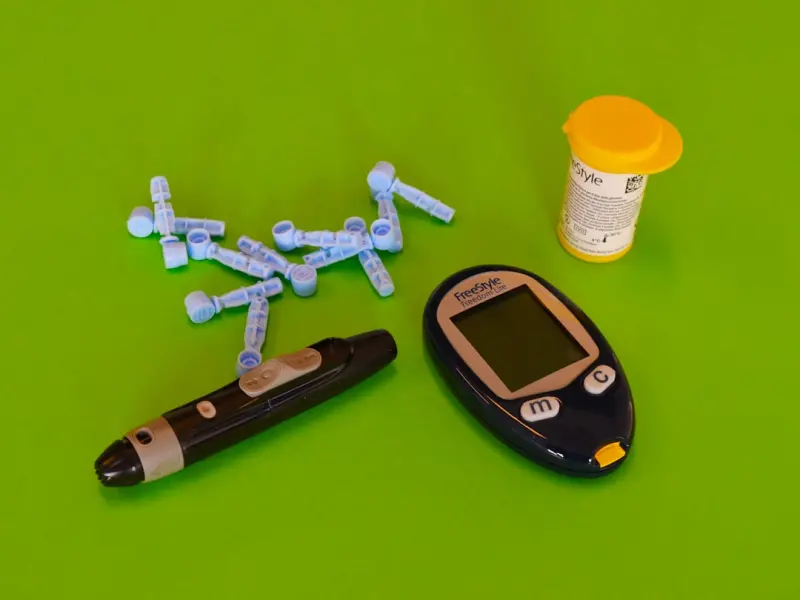
To translate these concepts into habit, I keep a simple “blood‑sugar toolkit” on my kitchen counter: a reusable water bottle for hydration, a small bowl of mixed nuts for balanced snacking, a timer to remind me of movement breaks, and a notebook for jotting down how I feel after each meal. This tactile collection turns abstract science into concrete actions that are easy to repeat.
Tracking Without Obsession
Data can be empowering when used wisely; a brief weekly log of fasting glucose, meal timing, and energy levels provides enough insight to adjust strategies without spiraling into constant monitoring. The goal is to spot trends—such as a consistent dip after evening walks—rather than fixate on daily fluctuations, allowing flexibility and compassion to remain at the forefront of the journey.
Final Thoughts: A Compassionate Journey
Managing blood sugar is less about rigid rules and more about listening to the body’s innate wisdom, then gently guiding it with timing, food, movement, and environment. By integrating these modest yet science‑backed tweaks, you create a resilient metabolic foundation that supports not only glucose stability but also overall vitality, mood, and long‑term health.

Deb Roberts is a freelancer who writes on various subjects, bringing versatility and depth to her work. Alongside her broad writing expertise, she has a special passion for horses.
Related Posts

Holistic Strategies to Keep Your Blood Sugar in Check
Learn how to stabilize blood sugar naturally with diet, timing, movement, stress control, sleep tips... Read More
Glucose‑Smart Strategies: Tiny Tweaks for Big Performance Gains
Discover simple breathing exercises, snack architecture, and workspace tweaks that keep blood sugar ... Read More

Storytelling Your Way to Stable Blood Sugar
Learn how to reframe glucose numbers as a personal story, using allies, plot twists, and daily refle... Read More
Top Posts

Why the First Year of Air Matters More Than You Think
A deep dive into why the air your infant breathes is critical for their lung development, immune system, and sleep, with actionable tips to improve indoor air q...Read More

Movement in Motion: A Physiotherapy Blueprint for Hybrid Teams
A practical guide for hybrid teams to integrate micro‑movements, tele‑physio, and data‑driven recovery, transforming sedentary workdays into a culture of ...Read More

Unlock Your Body’s Natural Cleanse: A Lymphatic‑Focused Detox Blueprint
A fresh take on detox: empower your lymphatic system with simple daily habits that truly cleanse from the inside out....Read More

Rethinking Health Insurance: A Holistic Blueprint for Modern Wellness
Explore a fresh perspective on health insurance that blends preventive care, wellness benefits, and holistic health, guiding you to smarter coverage choices....Read More
0 Comments
Post Comment
You will need to Login or Register to comment on this post!