
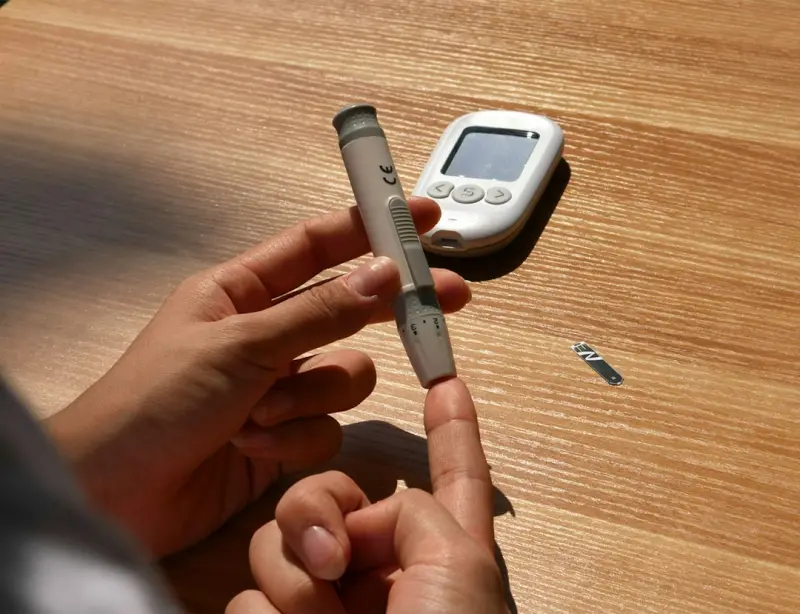
When I first got my glucose monitor, I treated it like a strict schoolteacher—every spike a red‑card, every dip a scolding. After months of staring at numbers like a weather forecaster, I realized I was missing the bigger picture: blood sugar isn’t just a metric; it’s a conversation between my body, my environment, and the stories I tell myself every day. In this post, I’m pulling back the curtain on a handful of off‑the‑beat tactics that let you keep that conversation smooth, supportive, and surprisingly fun.
1. Turn Your Kitchen into a “Glucose Lab” (Without the Lab Coat)
Most of us think of the kitchen as a place to cook, not a research facility. Yet, the ingredients you choose, the order you add them, and even the temperature of your pan can subtly shift how quickly carbs turn into glucose.
- Swap the “white” for “golden.” Whole grain flours and sprouted breads release glucose more slowly than their refined counterparts because the fiber matrix slows enzymatic breakdown. Think of it as giving your blood sugar a gentle ramp‑up instead of a sudden rollercoaster.
- Temperature matters. A hot bowl of oatmeal will raise blood sugar faster than a chilled overnight oats jar. The heat accelerates the gelatinization of starch, making it more accessible to digestive enzymes. Experiment with cold‑prep breakfasts a few days a week and notice the difference.
- Layer flavors, not sugars. Adding a pinch of cinnamon, a splash of vanilla extract, or a handful of fresh berries can trick your palate into feeling satisfied while you keep the actual sugar load low. The brain registers sweetness, reducing cravings for more sugary foods later.
By treating each meal as a mini‑experiment, you’ll start spotting patterns faster than any glucose log can show. And the best part? You’ll get to be creative in the kitchen without feeling like you’re on a restrictive diet.
2. Sync Your “Glucose Rhythm” with Your Body Clock
We all know the circadian rhythm dictates sleep, hormone release, and metabolism. But most of us ignore the fact that our bodies also have a glucose rhythm—a predictable ebb and flow of insulin sensitivity that peaks and dips throughout the day.
Research shows that insulin sensitivity is highest in the morning and gradually wanes toward the evening. This means the same breakfast you ate at 8 a.m. might have a completely different impact if you ate it at 5 p.m.
Here’s a practical way to harness that rhythm:
- Front‑load carbs. Schedule the bulk of your carbohydrate intake during the first half of the day when your body is primed to handle it.
- Reserve protein and healthy fats for later. As the day progresses, lean on lean proteins, nuts, and avocado to keep you satiated without spiking glucose.
- Use natural light. Exposing yourself to bright morning light not only sets your sleep‑wake cycle but also boosts insulin sensitivity. Open those curtains, sip your coffee, and let the sun do some of the heavy lifting.
If you want to dive deeper into how the body clock can be a game‑changer, check out Why Your Body Clock Holds the Key to a Longer Life. The principles overlap beautifully with glucose management.
3. The “Sensory Cue” Method: Let Your Senses Guard Your Glucose
Our brains are wired to respond to sensory cues—sounds, smells, textures—before we even think about food. By training these cues, you can create an internal alarm system that nudges you toward healthier choices before a spike occurs.
- Sound. Play a short, consistent tone (like a chime) before meals. Over time, your brain learns to associate the chime with the act of checking your glucose, turning it into a subconscious prompt.
- Smell. Keep a small dish of cinnamon or citrus zest on your desk. The aroma can signal a “pause” moment, encouraging you to breathe and assess whether you truly need that extra snack.
- Touch. A textured coaster or a smooth stone in your pocket can serve as a tactile reminder to pause and check your numbers before reaching for a sugary treat.
These micro‑interventions are low‑effort, high‑impact, and can be woven into any lifestyle—whether you’re a busy professional, a stay‑at‑home parent, or a freelancer hopping between co‑working spaces.
4. Community Challenges: Turning Data into Social Fuel
Numbers on a screen can feel lonely. When you turn them into a shared experience, the accountability and motivation skyrocket. I started a “Glucose Guardians” challenge with a few friends, and the results were eye‑opening.
- Set a collective goal. For example, “Reduce average post‑lunch glucose spikes by 15 % in four weeks.”
- Share snapshots. Use a private chat group to post daily glucose trends (anonymized if you prefer). Celebrate small wins together.
- Introduce “reward tokens.” Each week, the participant who hits the most consistent range gets to pick a healthy recipe for the group to try.
This approach blends the competitive spirit with community support, making glucose management feel less like a solo chore and more like a collaborative adventure.
Need a template to get started? My go‑to resource is The Remote Work Blood Sugar Playbook. While it’s geared toward remote workers, the structure is flexible enough for any group setting.
5. Breath, Light & Posture: The Triple‑Threat for Blood Pressure and Glucose
We often discuss blood pressure and glucose as separate entities, but they share a common physiological pathway: the autonomic nervous system. Simple practices that lower blood pressure can also calm insulin spikes.
Try integrating this three‑step routine twice daily:
- Breath. Inhale for four counts, hold for four, exhale for six. This 4‑4‑6 pattern activates the parasympathetic system, reducing stress hormones that drive glucose production.
- Light. Sit near a window or use a light therapy box for 10 minutes. Bright light exposure improves vascular tone and helps regulate insulin.
- Posture. Adopt a “power pose” (standing tall, shoulders back) for one minute. Research links upright posture to better glycemic control by enhancing lung capacity and reducing cortisol.
For a deeper dive into how breath, light, and posture intertwine with blood pressure—and why they matter for modern professionals—read Breath, Light & Posture: Blood Pressure Strategy for Modern Professionals. The concepts translate seamlessly to glucose stability.
6. “Micro‑Movement” Moments: Tiny Actions, Big Glucose Wins
While we’ve all seen the hype around “micro‑movement” for weight loss, its impact on glucose regulation is equally profound. Short bursts of activity—think a two‑minute stair climb or a set of desk push‑ups—can boost muscle uptake of glucose without the need for a full workout.
In practice:
- Set a timer. Every 90 minutes, stand up and do a quick 30‑second walk around the office or home.
- Use the “one‑minute rule.” If you feel a glucose dip creeping, do a one‑minute bodyweight circuit (squats, lunges, arm circles) to stimulate insulin sensitivity.
- Integrate movement into routine tasks. While waiting for coffee to brew, do calf raises; during a conference call, march in place.
These micro‑movements keep your muscles primed to mop up glucose, smoothing out the peaks and valleys that often accompany sedentary workdays.
7. Mindful Storytelling: Reframe How You Talk About Glucose
Finally, the most subtle yet powerful tool is the narrative you build around your numbers. Instead of labeling a reading as “bad,” view it as a clue.
Ask yourself:
- What did I eat, think, or feel before this spike?
- Was I stressed, excited, or bored?
- Can I adjust something next time to see a different outcome?
This curiosity‑driven mindset shifts glucose management from a punitive regimen to an exploratory journey. Over time, you’ll notice patterns that no app could ever predict.
Putting It All Together: Your Personalized Glucose Playbook
Here’s a quick, printable cheat sheet to get you started:
- Morning: Light exposure + high‑fiber carbs + breath exercise.
- Mid‑day: Micro‑movement + sensory cue (cinnamon aroma) before lunch.
- Afternoon: Protein‑heavy meal + posture check + brief walk.
- Evening: Low‑glycemic dinner + dim lighting + reflective journaling on glucose cues.
- Weekly: Community challenge check‑in + swap a recipe with a friend.
Remember, the goal isn’t perfection; it’s consistency. By weaving these unconventional practices into the fabric of your day, you’ll find that managing blood sugar becomes less about restriction and more about empowerment.
So, what’s the first experiment you’ll try tomorrow? Share your plans in the comments—I’m eager to hear how you’re turning daily routines into glucose‑friendly rituals.

Kelly Reynolds is a dynamic freelance writer hailing from the picturesque landscapes of Alberta. A master of the written word, she juggles her passion for storytelling with the exhilarating chaos of being a mother to five spirited children. With an impressive portfolio that spans various genres, Kelly captivates readers through her engaging blog posts and thought-provoking articles.
Related Posts
Chrono‑Nutrition: Timing Meals for Steady Glucose Levels
Discover how aligning your meals with your body’s internal clock can smooth glucose spikes, improv... Read More
Glucose Guardian: Tiny Daily Actions that Stabilize Blood Sugar Without a Diet Overhaul
Learn the three‑part “Glucose Guardian” system that blends fiber‑first meals, post‑meal wa... Read More

Scent, Breath, and Balance: A Fresh Take on Managing Blood Sugar
Explore the unexpected power of scent and breathwork in regulating blood sugar, with practical ritua... Read More
Top Posts

Why Men Need a Digital Detox (And How to Start)
A practical guide for men on the hidden costs of constant screen time and actionable strategies to implement a digital detox, improve mental clarity, and enhanc...Read More

When Nightmares Go Wild: Navigating Sleep Terrors in a Wired World
Sleep terrors, often overlooked in adult health, are rising due to stress and digital overload. This deep dive unpacks their brain mechanisms, modern triggers, ...Read More

Unlocking Sustainable Muscle Growth: A Holistic Approach
Learn how to combine progressive overload, smart nutrition, quality sleep, and mental resilience into a holistic plan that fuels sustainable muscle growth and a...Read More

Beyond the Scale: How Storytelling Can Rewire Eating Disorder Recovery
A fresh look at eating‑disorder recovery that moves past metrics, using storytelling, sensory language, and creative tools to reshape the relationship with fo...Read More
0 Comments
Post Comment
You will need to Login or Register to comment on this post!