

Why the Gut Matters
When a blood‑sugar test lands you in the prediabetes zone, the first instinct is often to stare at the numbers and plot a calorie‑cutting chart, but the real story lives deeper, in the trillions of microbes that call your intestines home. Research now shows that the composition of the gut microbiome can dictate how efficiently your body processes carbohydrates, store fat, and even regulate insulin sensitivity, meaning a tiny shift in bacterial balance can tip the metabolic scale dramatically. By treating your gut as an active endocrine organ rather than a passive tube, you unlock a lever that can transform prediabetes from a looming threat into a manageable, reversible state.
Feeding Your Microbial Allies
The foods you choose act like a subscription service for your gut: every bite either funds a thriving community of beneficial bacteria or finances the growth of the opportunistic strains that fuel inflammation. High‑fiber powerhouses such as chicory root, Jerusalem artichoke, and a rainbow of seasonal vegetables serve as prebiotic fuel, encouraging the production of short‑chain fatty acids that improve insulin signaling and curb cravings. Swapping refined grains for whole‑grain alternatives, and incorporating fermented gems like kimchi, kefir, and tempeh, supplies both the substrate and the live cultures that together nurture a resilient microbiome capable of keeping glucose spikes at bay.
Stress, Sleep, and the Sugar Surge
Even the most disciplined diet can be undone by a night of restless sleep or a day riddled with cortisol‑inducing stress, because the gut‑brain axis translates emotional turbulence into hormonal cascades that destabilize blood sugar. When stress hormones surge, they alter gut permeability, allowing bacterial by‑products to leak into the bloodstream and provoke low‑grade inflammation—a known driver of insulin resistance. Prioritizing a wind‑down ritual—dim lighting, gentle stretching, and a brief meditation—creates a feedback loop that calms both mind and microbiome, laying the groundwork for steadier glucose levels.
Movement That Moves Microbes
Exercise is more than a calorie‑burning machine; it is a signal that reshapes the microbial landscape, encouraging the growth of species associated with leaner bodies and better glucose handling. Moderate‑intensity activities such as brisk walking, cycling, or a quick body‑weight circuit boost the diversity of gut bacteria, especially those that produce butyrate, a short‑chain fatty acid linked to improved insulin sensitivity. Rather than obsessing over the next personal record, aim for consistency—15 minutes of movement after meals can synchronize the gut’s rhythmic contractions with nutrient absorption, creating a natural buffer against post‑prandial spikes.
Tech Tools for Microbiome Insight
While gut‑testing kits have become more consumer‑friendly, the real power lies in coupling those insights with data‑driven glucose monitoring, an approach championed by mastering blood sugar. By overlaying bacterial composition reports with continuous glucose readings, you can pinpoint which foods truly spark spikes for your unique microbiome, and which probiotic strains may be worth introducing. This feedback loop transforms guesswork into a precise, personalized protocol, allowing you to fine‑tune diet, timing, and supplementation with confidence.
Social Rhythm and Metabolic Harmony
Human bodies thrive on regularity, and the timing of meals, sleep, and activity forms a social rhythm that reverberates through the gut‑brain axis. Aligning eating windows with daylight—known as time‑restricted feeding—encourages microbes to follow a predictable feast‑fast cycle, sharpening the body’s insulin response. Research highlighted in social rhythm suggests that a consistent daily schedule can amplify the benefits of dietary changes, turning ordinary routines into metabolic allies that keep prediabetes at arm’s length.
Putting It All Together: A 30‑Day Micro‑Reset Plan
Start by mapping your current habits: log meals, sleep hours, stress triggers, and any glucose readings you have. Week 1 focuses on fiber—add a serving of legumes or a handful of berries to each breakfast, and replace soda with sparkling water infused with citrus. Week 2 introduces fermented foods, aiming for at least two servings daily, while you begin a gentle evening wind‑down that includes a short journal entry to lower cortisol. Week 3 adds movement, scheduling a brisk 20‑minute walk after lunch and a light strength routine in the evening. Finally, Week 4 integrates time‑restricted feeding, closing the kitchen by 7 p.m., and reviewing your data to identify which microbial shifts correlated with the smoothest glucose curves. By the end of the month, you’ll have rewired both your gut and your habits, creating a self‑reinforcing system that nudges prediabetes toward remission.
Conclusion: Embrace the Microbial Narrative
Prediabetes need not be a static label; it can be the opening chapter of a story where you enlist the smallest inhabitants of your body as co‑authors of health. By honoring the gut’s influence on insulin, managing stress, optimizing sleep, moving with intention, and leveraging modern tech for feedback, you rewrite the script from “at risk” to “in control.” The next time you glance at a lab report, remember that the numbers are a snapshot of a dynamic ecosystem—one you have the power to nurture, balance, and ultimately, heal.

Craig Brett is a freelancer with a passion for the outdoors. His love for nature inspires his work, bringing authentic and engaging perspectives to projects related to outdoor activities, adventure, and environmental topics.
Related Posts
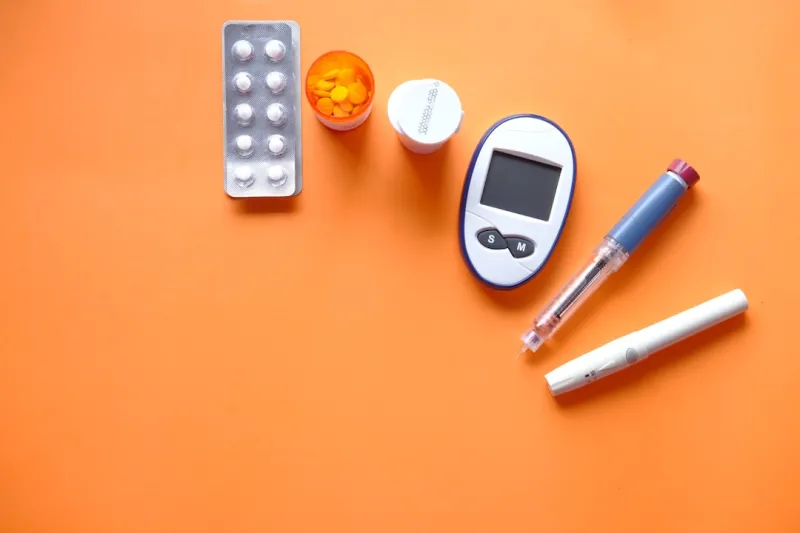
Prediabetes Unlocked: A Holistic Journey From Warning Sign to Wellness
A personal, holistic guide reveals how to turn prediabetes warnings into lasting wellness with diet,... Read More

The Silent Saboteur: How Workplace Culture Fuels Prediabetes and What You Can Do
A deep dive into how stress, sedentary work, and digital overload create hidden metabolic risks, wit... Read More

When Numbers Talk: A Compassionate Roadmap for Living with Prediabetes
Prediabetes can feel like a looming threat, but reframing it as a personal signal opens the door to ... Read More
Top Posts
Beyond the Diagnosis: Redefining Work Culture for Cancer Warriors
This article offers a comprehensive playbook for leaders and teams to transform workplace culture, policies, and design to support employees navigating cancer, ...Read More

Rethinking Menstrual Wellness Through Personal Data
A data‑driven guide shows women how to sync food, movement, and work habits with their hormonal cycle, turning monthly fluctuations into a strategic advantage...Read More

Turning Unpredictable Sleep Into a Strength: My Narcolepsy Playbook
A personal guide that transforms narcolepsy’s sudden sleep episodes into productivity tools, blending micro‑naps, nutrition, tech, and community support for...Read More
The Unseen Struggle: Mental Health in Modern Times
Mental health is a critical aspect of our overall wellbeing, and it's essential that we prioritize it. Learn how to create a supportive environment that encoura...Read More
0 Comments
Post Comment
You will need to Login or Register to comment on this post!