
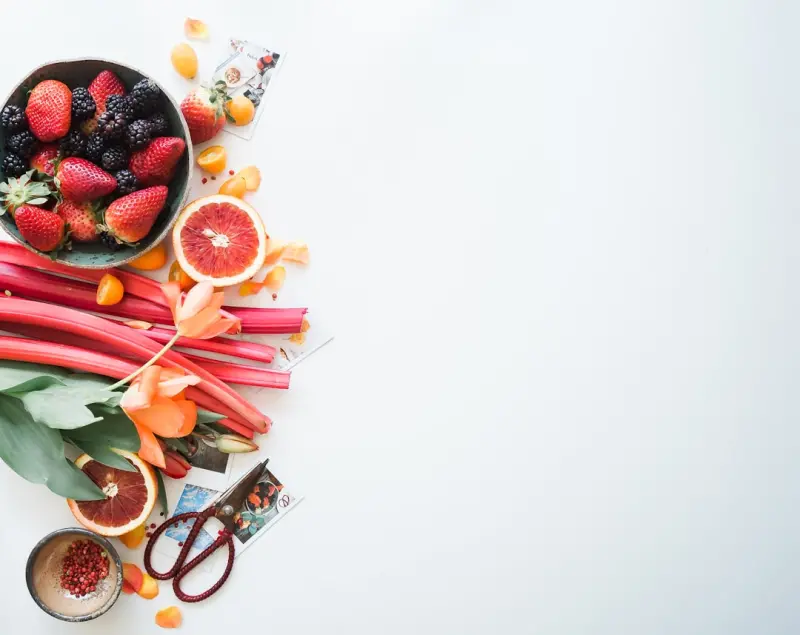
When I first stared at a pantry stocked with bright vegetables, fragrant spices, and a lone jar of fermented kimchi, I felt a quiet thrill—like I was standing at the edge of a secret garden that could rewrite how I think, feel, and create. Nutrition isn’t just about calories or macros; it’s an invitation to dialogue with the world inside our bodies and the ecosystems that nourish us. In this post, I’ll walk you through three often‑overlooked ways to turn everyday eating into a catalyst for mental clarity, emotional resilience, and sustainable creativity.
1. The Micro‑Biome as a Personal Brain‑Boosting Partner
Scientists now agree that the gut houses roughly trillions of microbes that do far more than digest food. These microscopic allies produce neurotransmitters—serotonin, dopamine, and GABA—that directly influence mood, focus, and even the spark of creative insight. The trick is to feed them the right fuel.
- Fermented Foods: Sauerkraut, kefir, miso, and the ever‑curious kimchi are living cultures packed with beneficial bacteria. A small daily serving can shift the gut environment from a “battlefield” to a “collaborative studio.”
- Prebiotic Fibers: Foods like Jerusalem artichoke, dandelion greens, and chicory root act as compost for these microbes, encouraging diversity and resilience.
- Polyphenol‑Rich Produce: Berries, dark chocolate, and green tea supply antioxidants that protect both gut walls and brain cells from oxidative stress.
When you pair a bowl of fermented veggies with a side of fiber‑dense roots, you’re essentially programming your gut to produce a steadier stream of mood‑lifting chemicals. Over weeks, many readers report sharper focus during meetings, a calmer response to stress, and even a heightened ability to generate original ideas.
2. Seasonal Food Forests: Growing Nutrition Where You Live
Most of us shop at supermarkets that promise “fresh” produce year‑round, yet the flavors often taste like a compromise between peak ripeness and long‑haul logistics. By cultivating a small food forest—think layered planting of fruit trees, nitrogen‑fixing shrubs, and ground‑cover herbs—you can harvest produce that is truly in sync with the seasons.
Why does this matter for nutrition? Seasonal foods retain higher concentrations of vitamins and phytonutrients because they’re harvested at their natural peak. Moreover, the act of tending a garden introduces gentle, rhythmic movement, fresh air, and sunlight—all of which are proven mood enhancers.
Here’s a starter blueprint for a balcony‑friendly food forest:
- Canopy Layer: Dwarf citrus tree or a potted fig—provides shade and fruit.
- Sub‑Canopy: Blueberries or raspberries in large containers; they love the filtered light.
- Herbaceous Layer: Basil, mint, and cilantro for flavor and quick nutrient boosts.
- Ground Cover: Strawberries or creeping thyme—both edible and great for soil health.
Even if space is limited, a few potted herbs and a vertical trellis for beans can transform a kitchen window into a mini‑ecosystem that feeds your body and soul.
3. Nutrient Timing for Cognitive Performance
Most nutrition advice focuses on what you eat, but when you eat can be just as impactful, especially when your work demands sustained mental effort. Aligning meals with your body’s natural circadian rhythms optimizes energy utilization and supports brain health.
- Morning Fuel: After a night of fasting, your brain craves glucose paired with protein. A bowl of oatmeal topped with walnuts and a drizzle of almond butter delivers slow‑release carbs, omega‑3s, and amino acids to jump‑start focus.
- Mid‑Afternoon Slump: Instead of reaching for a sugary snack, try a small plate of hummus with sliced bell peppers. The combination of plant protein and fiber steadies blood sugar, preventing the crash that follows a candy bar.
- Evening Calm: Heavy meals close to bedtime can disrupt sleep, which in turn impairs memory consolidation. Opt for a light soup—vegetable broth with mushrooms and a splash of miso—for its calming umami and easy digestibility.
Experimenting with timing is personal. Some find a “lean‑morning” approach—minimal calories until lunch—boosts clarity, while others thrive on a modest breakfast. The key is to observe how your mind feels after different patterns and adjust accordingly.
4. The Story Behind the Plate: Turning Heritage Recipes into Modern Nutrition
Our grandparents’ kitchens were treasure troves of knowledge—each recipe a story of climate, geography, and cultural exchange. Re‑imagining these heirloom dishes with a contemporary nutritional lens can deepen your connection to food while delivering balanced macro‑ and micronutrients.
Take the classic Mediterranean lentil soup. Traditionally, it’s a simple broth with lentils, onions, and a splash of olive oil. By adding a handful of kale, a sprinkle of turmeric, and a squeeze of lemon, you boost its antioxidant profile and introduce a bright, modern flavor twist without losing its comforting roots.
When you honor the past while embracing scientific insight, you create a personal narrative that makes healthy eating feel less like a chore and more like a celebration of identity.
5. Practical Tools to Keep Your Nutrition Journey Fresh
To make these ideas sustainable, consider integrating a few low‑tech tools into your routine:
- Food Diary with a Twist: Instead of a sterile log, draw quick sketches of your meals, note moods, and add a short “story” about why you chose each dish. This visual cue reinforces mindful eating.
- Flavor Wheel: Create a personal wheel of spices, herbs, and condiments. Rotate a section each week to experiment with new flavor combinations, keeping meals exciting and nutritionally diverse.
- Micro‑Learning Sessions: Set aside five minutes after each meal to read a snippet about a nutrient in your dish—think of it as “nutrition trivia” that fuels curiosity. For inspiration, check out how lifelong learning fuels healthy aging and see how curiosity can become a nutritional habit.
6. Linking Nutrition to Your Creative Work
As a writer, I often find that my most vivid ideas appear after a nourishing, well‑balanced meal. The brain’s default mode network—responsible for day‑dreaming and ideation—thrives on a steady supply of glucose and omega‑3 fatty acids. When my plate includes salmon, leafy greens, and a few sliced oranges, I notice a smoother flow of thoughts, richer metaphors, and a calmer inner critic.
If you’re in a field that leans heavily on creative output—design, coding, marketing—experiment with “creative fuel” meals. Pair a protein source with colorful vegetables and a splash of citrus, and you might just unlock a new level of inspiration.
7. A Quick 7‑Day Meal Blueprint to Get Started
Below is a sample menu that blends all the concepts discussed: gut‑friendly, seasonal, timed for brain performance, and rooted in heritage.
- Day 1: Morning—overnight oats with kefir, chia seeds, and berries. Lunch—Mediterranean lentil soup with kale and turmeric. Dinner—grilled salmon, roasted beetroot, and a side of fermented sauerkraut.
- Day 2: Morning—smoothie with spinach, banana, almond butter, and a dash of matcha. Lunch—quinoa salad with roasted carrots, chickpeas, and a miso‑ginger dressing. Dinner—stir‑fried tofu, bok choy, and kimchi.
- Day 3: Morning—scrambled eggs with dandelion greens and a slice of sourdough. Lunch—cold soba noodle bowl with edamame, cucumber, and sesame‑soy glaze. Dinner—baked cod with lemon, wild rice, and a side of fermented pickles.
- Day 4: Morning—Greek yogurt with honey, walnuts, and pomegranate seeds. Lunch—vegetable‑packed minestrone with a sprinkle of Parmesan. Dinner—grass‑fed beef stew with carrots, parsnips, and a dash of rosemary.
- Day 5: Morning—avocado toast on whole‑grain bread with a poached egg. Lunch—farro salad with roasted butternut squash, cranberries, and feta. Dinner—spaghetti squash with tomato‑basil sauce and a side of probiotic‑rich kimchi.
- Day 6: Morning—chia pudding with coconut milk, mango, and toasted coconut. Lunch—black bean tacos with salsa fresca and a dollop of Greek yogurt. Dinner—roasted chicken thighs with rosemary, sweet potatoes, and a small serving of fermented carrots.
- Day 7: Morning—smoothie bowl with açai, blueberries, almond granola, and a drizzle of almond butter. Lunch—buddha bowl with brown rice, roasted chickpeas, avocado, and tahini drizzle. Dinner—vegetable curry with coconut milk, served over cauliflower rice.
This plan is a flexible framework—feel free to swap ingredients based on local seasonality or personal preferences. The goal is to keep your gut microbes happy, your brain fueled, and your palate intrigued.
Conclusion: Make Nutrition Your Ongoing Conversation
Think of nutrition as a dialogue, not a dictation. By honoring the microscopic partners in your gut, cultivating your own seasonal food sources, timing meals to match your brain’s rhythms, and weaving heritage recipes into modern meals, you create a dynamic relationship with food that supports both health and creativity. The next time you sit down to eat, ask yourself: “What story am I feeding today, and how will it shape my thoughts tomorrow?”
Ready to dive deeper into how curiosity can amplify your health journey? Explore the connection between lifelong learning and wellness in this piece: the power of curiosity for longevity. And if you’re interested in turning your kitchen into a hub of creativity, check out the insights from a fresh perspective on kitchen creativity.

Nikki McDonald is a freelancer based in Waterloo. She brings her skills and expertise to various projects, balancing her professional work with a personal life that includes her husband, Stewart.
Related Posts
Unlock the Power of Chrono‑Nutrition: How When You Eat Can Transform Health
Learn how chrono‑nutrition—eating in sync with your circadian rhythm—can improve energy, weigh... Read More
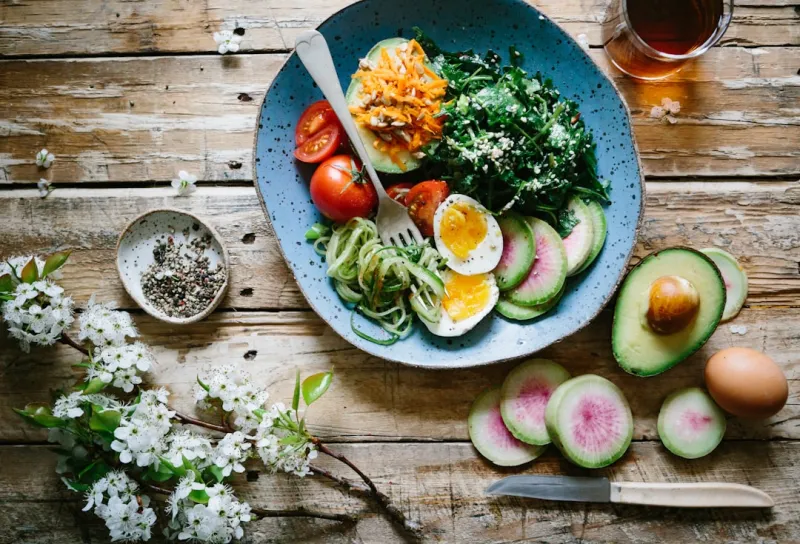
Nikki McDonald’s Holistic Nutrition Blueprint: From Gut Health to Seasonal Eating
Nikki McDonald shares a holistic nutrition roadmap that ties gut health, macro balance, and seasonal... Read More

Playful Nutrition: Designing Meals That Teach Your Body
A fresh take on nutrition that treats each meal as a fun experiment, using the 4‑S Blueprint to bo... Read More
Top Posts

Why Learning New Skills Is the Secret Weapon for a Longer Life
Lifelong learning fuels neuroplasticity, builds cognitive reserve, and intertwines with exercise, nutrition, and sleep, offering a powerful, sustainable path to...Read More

Turning Rehab Into Play: How Gamified Apps Are Revolutionizing Physiotherapy
Gamified physiotherapy apps turn routine exercises into engaging quests, boosting adherence and speeding up recovery for patients of all ages....Read More
Seasonal Gut Reset: Aligning Food, Movement, and Microbiome for Year‑Round Vitality
A fresh perspective on gut health shows how aligning your diet, movement, and stress habits with the seasons can boost digestion, energy, and overall wellbeing....Read More
Cooking Up Cognitive Strength: How Curious Kitchen Habits Boost Brain Health
Explore a fresh angle on brain health: using curious cooking, novel ingredients, and mindful kitchen rituals to strengthen memory, focus, and neural resilience....Read More
0 Comments
Post Comment
You will need to Login or Register to comment on this post!