

When I first heard the phrase “manage blood pressure,” my mind drifted straight to pills, doctor’s appointments, and the occasional frantic search for a low‑sodium snack. But after years of coaching high‑performers who juggle deadlines, meetings, and endless notifications, I realized there’s a whole ecosystem of everyday actions that quietly dictate the rhythm of our arteries. Below is a deep dive into the subtle, often overlooked levers you can pull—right from your desk chair—to keep those numbers in the green zone.
1. The Breath‑Blood Pressure Connection You’ve Ignored
Most of us think of breathing as a background process, but it’s actually a powerful autonomic regulator. Slow, diaphragmatic breaths trigger the vagus nerve, which in turn signals the heart to relax and the blood vessels to dilate. A simple 4‑7‑8 pattern (inhale 4 seconds, hold 7, exhale 8) done three times a day can shave off several points from your systolic reading.
Want to see the science in action? Check out how breathing influences cardiovascular health—the same principles that help with sleep apnea also calm your pressure spikes.
2. Micro‑Movements: Turning the Office Into a Mini‑Gym
We’ve all heard the mantra “sit less, move more,” but the devil is in the detail. It’s not just about standing up for an hour; it’s about integrating micro‑movements throughout the day.
- Desk‑side calf raises: While on a conference call, lift your heels and lower them slowly. Ten reps per call can improve venous return and reduce peripheral resistance.
- Chair squats: Before you sit down, perform a quick squat. This engages the glutes and core, which support better posture and lower intra‑abdominal pressure.
- Finger‑to‑toes stretch: A gentle forward fold every two hours relieves tension in the lower back, a common hotspot for sympathetic overdrive.
These tiny bursts of activity keep your blood flow dynamic, preventing the stagnation that nudges pressure upward.
3. Hydration With a Twist: The Electrolyte Balance
Drinking water is a given, but the type of fluid matters. Sodium is a well‑known culprit, yet too little sodium can also stress the system, prompting the body to retain water and raise pressure. The sweet spot lies in a balanced intake of potassium, magnesium, and calcium—minerals that help blood vessels relax.
Here’s a quick guide:
- Potassium‑rich snacks: Bananas, sweet potatoes, and leafy greens. Aim for 4,700 mg daily.
- Magnesium boosters: Almonds, pumpkin seeds, and dark chocolate. About 300 mg can improve vascular tone.
- Calcium sources: Yogurt, fortified plant milks, and sardines. Roughly 1,000 mg supports arterial elasticity.
Pair these foods with a glass of water flavored with a pinch of sea salt to maintain that delicate electrolyte dance.
4. The Lymphatic System: The Unsung Hero of Blood Pressure
When we talk about circulation, most of us picture blood flowing through arteries and veins. But the lymphatic network works hand‑in‑hand with the cardiovascular system, clearing interstitial fluid and preventing excess volume that can elevate pressure.
Simple habits can give your lymphatic flow a turbo‑boost:
- Gentle rebounding: A five‑minute session on a mini‑trampoline after lunch stimulates lymphatic drainage.
- Dry brushing: Before showering, use a natural bristle brush in upward strokes to nudge lymph toward the nodes.
- Deep breathing: The same diaphragmatic breaths mentioned earlier also create a pressure gradient that pushes lymph upward.
For a deeper dive into practical techniques, explore the role of lymphatic flow in blood pressure. These hacks are low‑effort, high‑reward additions to any routine.
5. Sleep Hygiene: Not Just About Quantity
It’s easy to fall into the trap of “I need eight hours.” The truth is, the quality of those hours determines how your endocrine system manages stress hormones like cortisol, which directly affect vascular resistance.
Key adjustments:
- Blue‑light blackout: Use amber lenses after sunset to preserve melatonin production.
- Temperature control: Keep your bedroom between 60‑67°F (15‑19°C) to promote deeper REM cycles.
- Consistent wind‑down ritual: A 10‑minute meditation or light reading signals the nervous system to shift into parasympathetic mode.
When you’re consistently in a restorative sleep state, your blood pressure naturally stabilizes.
6. Nutrition Beyond the Sodium Count
While low‑sodium diets are the cornerstone of hypertension management, the broader dietary pattern holds the key to sustained success.
- Plant‑centric meals: Diets rich in fruits, vegetables, whole grains, and legumes provide fiber that improves endothelial function.
- Omega‑3 fatty acids: Salmon, mackerel, and chia seeds reduce inflammation, a driver of arterial stiffness.
- Fermented foods: Kimchi, kefir, and tempeh nurture gut bacteria that produce short‑chain fatty acids—compounds that help relax blood vessels.
Incorporating these foods doesn’t mean a complete overhaul; start with one “power plate” per week and build from there.
7. Structured Rest: Recovery as a Vascular Strategy
Rest isn’t just for muscles—it’s a crucial component of cardiovascular health. Chronic stress keeps the sympathetic nervous system on high alert, causing the heart to work harder and the arteries to constrict.
Strategic recovery can be as simple as a scheduled “digital sunset” where you turn off all screens an hour before bed, or a weekly “active recovery” day featuring yoga, gentle swimming, or a nature walk.
For a science‑backed blueprint on leveraging rest for performance—and blood pressure—check out rest strategies for vascular health. The same principles that accelerate muscle gain apply to keeping your arteries supple.
8. Stress Management: From Reactive to Proactive
High‑achievers often equate stress with productivity, but unchecked stress spikes blood pressure in minutes and can leave lasting damage. Transition from a reactive mindset to a proactive one.
- Micro‑meditations: 60‑second breath pauses during meetings reset the nervous system.
- Journaling prompts: Write three things you’re grateful for before tackling a challenging task; gratitude shifts brain chemistry toward dopamine and away from cortisol.
- Physical “reset” breaks: A 2‑minute walk outside after a heated email exchange can lower heart rate dramatically.
9. Tech Tools: Turning Data Into Action
Wearables have evolved from step counters to sophisticated blood pressure monitors. Use them not just for tracking but for pattern recognition.
Set up alerts for:
- Elevated systolic readings that persist for more than five minutes.
- Periods of low heart‑rate variability (HRV), indicating sympathetic dominance.
- Sleep stages that show fragmented REM, a red flag for stress accumulation.
When an alert triggers, follow a pre‑planned protocol—breathwork, a short walk, or a hydration reminder—to neutralize the spike before it becomes chronic.
10. Community and Accountability
Managing blood pressure isn’t a solo mission. Share your goals with a trusted colleague, join a wellness group, or pair up with a “pressure buddy.” Regular check‑ins keep you honest and provide social reinforcement, which research shows can lower blood pressure by up to 5 mmHg.
In the end, the journey to a healthier blood pressure is a mosaic of tiny, intentional actions. By weaving breath, movement, nutrition, rest, and community into your daily fabric, you’ll not only tame those numbers but also boost your overall vitality.

Brandy Miller is a dynamic freelance writer based in the vibrant city of Cambridge, Ontario. With a passion for storytelling that knows no bounds, she crafts compelling narratives that captivate and inspire. Brandy’s love for writing shines through in her versatile work, whether she’s penning thought-provoking articles or engaging content that resonates with readers. Her unique perspective and friendly tone make her a sought-after voice in the writing community. When she’s not weaving words together, you can find her exploring the beautiful landscapes of Ontario, always seeking new adventures and inspiration for her next piece. Brandy is not just a writer; she’s a creative force, making her mark one word at a time.
Related Posts

Beyond Pills: Gamified Breath Work to Master Blood Pressure
A fresh, data‑driven approach to blood pressure blends gamification, breathwork, cold exposure, mi... Read More

My Personal Blueprint for Stabilizing Blood Pressure Through Lifestyle Sync
Tammy French shares her evolving, personalized blueprint for managing blood pressure—combining min... Read More
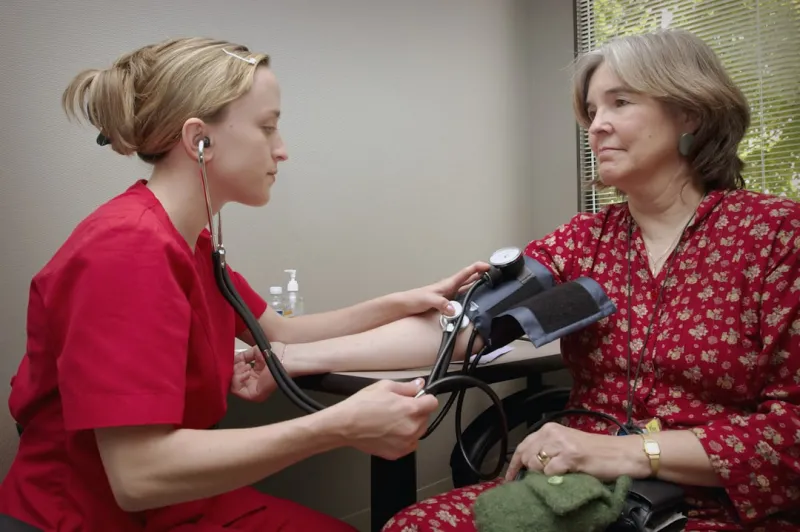
Mastering Blood Pressure Naturally
A personal, holistic guide to controlling blood pressure through diet, exercise, stress management, ... Read More
Top Posts
Temperature Hacks to Keep Your Blood Sugar on Point
Explore how controlling indoor temperature, humidity, and seasonal climate can become powerful tools for stabilizing blood sugar, complemented by nutrition timi...Read More

The Curiosity Engine: How Lifelong Learning Fuels Longevity
Curiosity isn’t just a hobby; it’s a biological catalyst that strengthens brain plasticity, balances hormones, and supports cellular health, offering a powe...Read More

Living with Autoimmune Disease: My Holistic Roadmap to Resilience
A heartfelt guide sharing how mindful nutrition, gentle movement, restorative sleep, and supportive community can transform life with autoimmune disease....Read More

Turning Cancer Treatment Into a Personal Data Quest
Learn how a data‑centric mindset transforms cancer treatment, from wearables and symptom apps to community insights, giving patients actionable control over t...Read More
0 Comments
Post Comment
You will need to Login or Register to comment on this post!